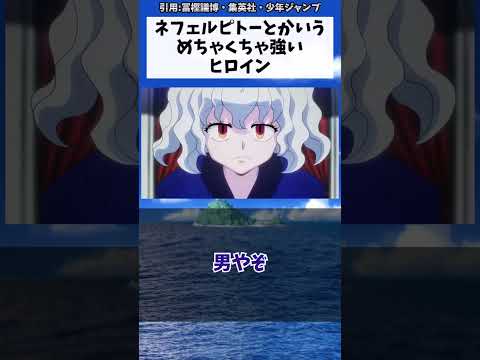
▶ Watch the original YouTube video
Why Neferpitou Is the Most Powerful Heroine in Hunter x Hunter: A 15-Year Analysis
Neferpitou, the Royal Guard from Hunter x Hunter’s Chimera Ant arc, stands as one of anime’s most perfectly realized antagonists. Through a combination of overwhelming combat ability, psychological dominance, and complex character development, this character has fundamentally influenced how modern anime portrays enemy characters and their relationships with protagonists.
- What Happened
- Why It Matters
- Background
- Key Points
- The Three Dimensions of Neferpitou’s Strength
- Gender and Character Identity
- The Gon Relationship: Catalyst for Transformation
- Industry Impact and Influence
- Comparative Analysis with Other Antagonists
- Fan Reception and Interpretation
- Future Narrative Possibilities
- Practical Guidance for Understanding Neferpitou
- Online Reception Across Platforms
- Conclusion: The Legacy of Neferpitou
What Happened
Neferpitou emerged as a central figure in Hunter x Hunter’s Chimera Ant arc (2011-2014), serving as one of the three Royal Guards protecting the Ant King, Meruem. The character’s confrontation with protagonist Gon represents a pivotal moment in the series, where Gon undergoes a dramatic psychological transformation that fundamentally alters his character trajectory. This encounter has become one of the most discussed and analyzed moments in anime history, spawning extensive fan discourse about the character’s strength, beauty, psychological complexity, and narrative significance.
Why It Matters
Neferpitou’s character design and narrative function represent a watershed moment in how anime and manga approach antagonist characterization. Rather than serving as a simple obstacle to overcome, Neferpitou functions as a catalyst for the protagonist’s growth, forcing Gon to confront his own limitations and emotional vulnerabilities. This approach has influenced subsequent works across the industry, establishing a new standard for complex enemy characters that transcend traditional hero-villain dynamics. The character’s impact extends beyond storytelling into broader discussions about character design, gender representation, and the psychological dimensions of conflict in anime.
Background
Neferpitou first appeared in the Chimera Ant arc of Hunter x Hunter, created by Yoshihiro Togashi. The character is a humanoid creature born from chimera ants, possessing extraordinary combat abilities and serving as one of the three most powerful guardians of the Ant King. The Chimera Ant arc itself represents a significant tonal shift in the series, introducing morally complex antagonists and exploring themes of evolution, loyalty, and the nature of humanity itself. The arc ran from 2011 to 2014 in the manga and was adapted into anime by Madhouse studio, with the animation receiving particular acclaim for its visual representation of Neferpitou’s movements and presence.
Key Points
- Three-Layered Strength: Neferpitou’s power operates on three distinct levels—absolute combat ability derived from evolutionary advancement, psychological dominance through reading and manipulating opponents’ mental states, and an overwhelming presence that commands respect through sheer existence.
- Gender Transcendence: While biologically female in appearance, Neferpitou’s gender is narratively irrelevant, reflecting Hunter x Hunter’s broader value system where character essence matters more than biological classification.
- Psychological Catalyst: Rather than simply defeating Gon, Neferpitou triggers Gon’s transformation into adulthood through a confrontation rooted in emotional trauma and loss, making the character essential to the protagonist’s development.
- Industry Influence: The character’s complex portrayal influenced subsequent anime and manga, establishing a template for antagonists with psychological depth and nuanced relationships with protagonists.
- Fan Reception Diversity: Neferpitou receives praise from multiple angles—combat prowess, aesthetic design, psychological complexity, and narrative function—indicating exceptional character completeness.
- Narrative Ambiguity: The character’s ultimate fate remains partially unresolved in the source material, leaving open the possibility of future narrative significance.
The Three Dimensions of Neferpitou’s Strength
Absolute Combat Ability
Neferpitou possesses overwhelming physical capabilities as one of the Chimera Ant Royal Guards. The character demonstrates combat speed and precision that allows complete control over opponents, even when those opponents have undergone significant power increases. This strength differs from other powerful anime antagonists because it stems from evolutionary advancement rather than external power sources or accumulated knowledge. The character’s combat prowess carries narrative weight because it feels earned through biological development rather than arbitrary plot device.
Psychological Dominance
Beyond physical strength, Neferpitou exercises psychological control through the ability to read opponents’ mental states and predict their actions. This manifests most clearly in the character’s interaction with Gon, where Neferpitou appears to anticipate Gon’s psychological transformation triggered by the death of Komugi. This psychological dimension distinguishes Neferpitou from other strategically-minded antagonists in anime, as the character operates through understanding rather than manipulation—comprehending the opponent’s essential nature and acting accordingly rather than imposing external control.
Existential Presence
Neferpitou commands dominance through sheer presence, with the character’s appearance and movements conveying overwhelming power. This effect results from deliberate artistic choices by creator Yoshihiro Togashi, who employs precise linework and distinctive movement expressions. The anime adaptation by Madhouse further emphasized this quality through careful visual direction. This existential dominance creates narrative conviction—viewers accept Neferpitou’s strength as natural and inevitable rather than contrived.
Gender and Character Identity
Neferpitou’s gender has generated discussion within fan communities, with some viewers noting the character’s female appearance while others emphasize the character’s transcendence of gender categories. This ambiguity reflects intentional creative choice, establishing Neferpitou as a character whose essence supersedes biological classification. In Hunter x Hunter’s value system, character worth derives from individual nature and actions rather than gender or species. This approach aligns with broader traditions in manga like JoJo’s Bizarre Adventure, where characters frequently transcend gender categories in narratively significant ways. For Neferpitou, what matters is the character’s role as a Chimera Ant, Royal Guard, and Gon’s antagonist—gender functions merely as external characteristic.
The Gon Relationship: Catalyst for Transformation
The relationship between Gon and Neferpitou transcends typical protagonist-antagonist dynamics. Gon develops intense fixation on Neferpitou, which transforms into rage following Komugi’s death. This rage ultimately catalyzes Gon’s transformation into adulthood—a pivotal character development moment. Unlike other protagonist-antagonist relationships in anime, Gon’s anger receives full narrative justification. His rage stems not from simple opposition but from helplessness, loss, and inability to protect those he cares for. Neferpitou becomes the focal point for these emotions, functioning as growth catalyst rather than mere obstacle. This dynamic mirrors the role traditionally assigned to heroines in narrative structure—characters who facilitate protagonist development—yet Neferpitou achieves this function as an enemy character, inverting conventional storytelling patterns.
Industry Impact and Influence
The Chimera Ant arc (2011-2014) significantly influenced how subsequent anime and manga portray antagonists. Works including Attack on Titan, Demon Slayer, and Jujutsu Kaisen demonstrate clear influence from Neferpitou’s character archetype—complex enemies with psychological depth who function as more than simple obstacles. This represents a fundamental shift in how the industry approaches antagonist characterization. Rather than viewing enemies as purely destructive forces, creators increasingly present them as psychologically complex individuals whose opposition to protagonists stems from legitimate motivations and internal logic. Neferpitou exemplifies this approach, establishing a template that has become increasingly standard across contemporary anime.
Comparative Analysis with Other Antagonists
Neferpitou’s character achieves notable distinction when compared to other major anime antagonists. The Beast Titan from Attack on Titan demonstrates strategic strength but lacks Neferpitou’s psychological complexity. Muzan from Demon Slayer possesses absolute power but exhibits relatively simple psychology. Gilgamesh from Fate/Zero commands overwhelming presence but functions primarily as obstacle rather than growth catalyst. Lelouch from Code Geass shares psychological complexity and catalytic function but operates through external manipulation rather than understanding. Neferpitou uniquely combines absolute combat strength, genuine psychological depth, and genuine narrative function as protagonist catalyst—achieving superior balance across all dimensions. This completeness explains why the character resonates across multiple fan demographics and continues generating discussion years after initial appearance.
Fan Reception and Interpretation
Neferpitou receives praise from diverse perspectives, with fans emphasizing different aspects of the character. Some focus on combat prowess and physical dominance. Others highlight aesthetic qualities and character design. Still others emphasize psychological complexity and narrative function. Comments referencing facial destruction during the Gon confrontation recognize this scene as psychological expression rather than mere violence—Gon’s rage manifests through physical assault on Neferpitou’s beautiful appearance, making violence serve emotional communication. References to personality change recognize this as evolutionary development through combat experience rather than arbitrary character modification. This interpretive diversity itself indicates character completeness—Neferpitou functions successfully across multiple analytical frameworks, suggesting exceptional design quality.
Future Narrative Possibilities
Neferpitou’s ultimate fate remains partially ambiguous in the source material, leaving narrative possibilities open. Several factors suggest potential future significance. First, the character’s survival status remains unclear, allowing for potential reappearance. Second, Neferpitou embodies the series’ central theme of evolution—a concept likely to receive further exploration in future narrative developments. Third, creator Yoshihiro Togashi demonstrates a pattern of unexpectedly reintroducing characters previously thought concluded, as evidenced by Hisoka and Chrollo’s later returns to narrative prominence. These factors combine to suggest Neferpitou may play significant roles in future story developments.
Practical Guidance for Understanding Neferpitou
Watch the Complete Chimera Ant Arc: Understanding Neferpitou requires exposure to the full arc context. The character’s strength and appeal emerge through environmental circumstances and relationships rather than isolated moments.
Focus on Gon’s Psychological Development: Tracking Gon’s emotional transformation provides the most direct path to understanding Neferpitou’s character essence. Observing how Gon changes illuminates Neferpitou’s narrative function.
Compare Manga and Anime Versions: The manga presents Neferpitou through Togashi’s precise linework, emphasizing visual beauty and menace simultaneously. The anime adaptation conveys psychological dimensions through voice acting and animation, offering complementary perspectives. Experiencing both versions provides fuller understanding.
Study Related Characters: Examining other Hunter x Hunter characters—particularly Chrollo, Hisoka, and Meruem—clarifies Neferpitou’s distinctive qualities through comparison.
Engage with Fan Analysis: Reading diverse fan interpretations across platforms including Twitter, Reddit, and discussion forums deepens personal understanding through exposure to multiple analytical frameworks.
Online Reception Across Platforms
Twitter discussions frequently emphasize Neferpitou’s transcendent strength and status as favorite character within the arc, with particular appreciation for the Gon relationship dynamic. YouTube comments reference the facial destruction scene as emotionally impactful and discuss the character’s personality transformation. 4chan and Reddit threads contain more detailed analytical discussion, with users debating whether Neferpitou represents the strongest female character in anime and evaluating the character as narratively perfect antagonist. This cross-platform reception demonstrates how Neferpitou appeals to different audience segments through different character dimensions—combat enthusiasts appreciate strength, aesthetic-focused viewers appreciate design, and narrative analysts appreciate psychological complexity and story function.
Conclusion: The Legacy of Neferpitou
After 15 years of engagement with Hunter x Hunter, Neferpitou represents not merely a strong character but an exceptionally well-realized character design. The character achieves top-tier completion across all dimensions—combat ability, psychological portrayal, narrative function, and fan impact. The Gon relationship particularly rewards repeated viewing, revealing new interpretive layers with each encounter. Questions about the nature of Gon’s rage, the meaning of Neferpitou’s attachment to Komugi, and what these dynamics ultimately express resist complete resolution—yet this very difficulty constitutes the character’s appeal. As Hunter x Hunter’s serialization continues, Neferpitou’s potential future narrative significance and the character’s broader influence on industry standards for antagonist characterization remain subjects of considerable interest and speculation.