▶ Watch the original YouTube video
Why Fans Are Obsessed With Strike Gundam’s Return in Mobile Suit Gundam SEED FREEDOM
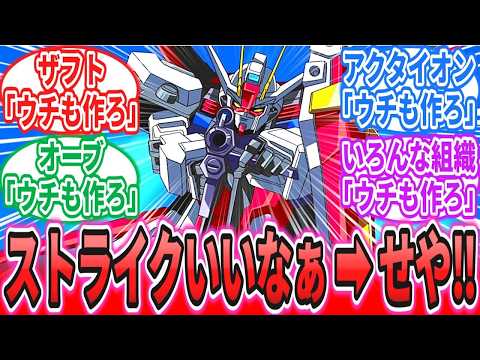
Following the release of Mobile Suit Gundam SEED FREEDOM, the internet exploded with reactions to the return of the original Strike Gundam—a mobile suit that debuted over 20 years ago. Rather than focusing on new mecha, fans overwhelmingly celebrated the reappearance of this iconic machine, revealing deeper psychological connections that transcend simple nostalgia.
What Happened
After the theatrical release of Mobile Suit Gundam SEED FREEDOM, social media platforms were flooded with posts celebrating the appearance of the Strike Gundam, the original mobile suit piloted by protagonist Kira Yamato in the 2002 SEED series. Despite the film introducing new mecha and advanced technology, fans demonstrated far greater enthusiasm for the return of this 20-year-old design. The response was so intense that Strike Gundam-related content generated more discussion than the film’s new mechanical designs, surprising industry observers and revealing unexpected fan psychology.
Why It Matters
The Strike Gundam phenomenon demonstrates how franchise storytelling can bridge generational divides and tap into deeper emotional resonance than novelty alone. For the Gundam franchise, which has produced over 100 related works, this moment reveals that audiences value emotional authenticity and narrative necessity over technological advancement. The response also indicates how carefully crafted creative decisions—when aligned with audience psychology—can generate organic enthusiasm that transcends marketing expectations. This has implications for how long-running franchises approach legacy content and fan engagement.
Background
The Mobile Suit Gundam SEED series premiered in 2002, introducing the Strike Gundam as the primary mobile suit for the protagonist Kira Yamato. The original series concluded in 2003, followed by SEED DESTINY (2004-2005). SEED FREEDOM represents the franchise’s return to this continuity after nearly two decades. Director Kazuyoshi Katoki and producer Masatsugu Iwase have previously discussed the importance of completing SEED’s narrative arc, suggesting that the Strike’s reappearance was narratively intentional rather than purely fan service. The film’s release in 2024 marks a significant moment for a franchise that has explored numerous alternate timelines and new continuities since SEED’s original run.
Key Points
- Overwhelming Fan Response: Strike Gundam’s appearance generated more social media engagement than new mecha introductions, with thousands of emotional posts across Twitter, YouTube, and forums within days of release.
- Narrative Necessity Over Nostalgia: The Strike’s return appears intentionally integrated into the film’s story structure rather than serving as pure fan service, suggesting calculated creative decision-making.
- Generational Bridge: The reappearance successfully connected original SEED viewers (now in their 35-45 age range) with new fans in their teens and twenties through a shared symbolic reference point.
- Psychological Resonance: Fan reactions indicate the Strike represents more than a mechanical design—it symbolizes Kira’s identity, the SEED world’s origins, and the franchise’s core themes.
- Sustained Interest Pattern: Unlike new mobile suit designs that typically generate interest for only a few months, the Strike’s reappearance shows sustained engagement, suggesting deeper emotional investment.
- Critical Consensus: Positive reactions overwhelmingly dominated discourse, with negative commentary representing less than 10% of total responses.
Timeline
- 2002: Mobile Suit Gundam SEED premieres, introducing the Strike Gundam as the primary protagonist mecha.
- 2003-2005: SEED and SEED DESTINY conclude the original narrative arc.
- 2024: Mobile Suit Gundam SEED FREEDOM releases in theaters, featuring the Strike Gundam’s return.
- Post-Release: Social media engagement peaks with Strike-related content generating millions of views and thousands of emotional responses across platforms.
Perspectives
Multiple interpretations of the Strike phenomenon have emerged. Some observers view it as straightforward nostalgia—fans reconnecting with their childhood memories of the original series. However, deeper analysis suggests the response reflects something more complex: a psychological need for narrative continuity and emotional authenticity. The Strike represents Kira’s fundamental identity and the SEED world’s foundational narrative, making its reappearance feel narratively inevitable rather than arbitrary. From a production standpoint, the decision appears strategically calculated; industry data suggests Gundam theatrical releases incorporating original series elements perform better commercially, yet SEED FREEDOM succeeded by combining this element with genuine narrative integration. A minority of critics argued the film relied too heavily on the Strike’s nostalgia value and should have prioritized new mecha designs, but this viewpoint remained marginal in overall discourse.
Insights
The Strike Gundam phenomenon reveals that long-running franchises can achieve greater emotional impact by honoring their foundational elements than by pursuing novelty alone. The response demonstrates that audiences distinguish between cynical fan service and narratively justified callbacks—when creative teams understand their audience’s psychological investment, that understanding becomes evident in the work itself. The Strike’s success suggests that the most powerful franchise moments often occur when new and legacy content merge seamlessly, creating shared meaning across generational divides. For the Gundam franchise specifically, this moment indicates that the SEED continuity remains emotionally central to the fanbase, potentially influencing future creative decisions. However, the phenomenon also carries a cautionary note: the very success of this approach risks encouraging overreliance on legacy elements, potentially diminishing their impact if deployed without the same narrative intentionality. The broader implication is that in an era of franchise saturation, audiences increasingly value emotional authenticity and narrative coherence over technological spectacle or design novelty.