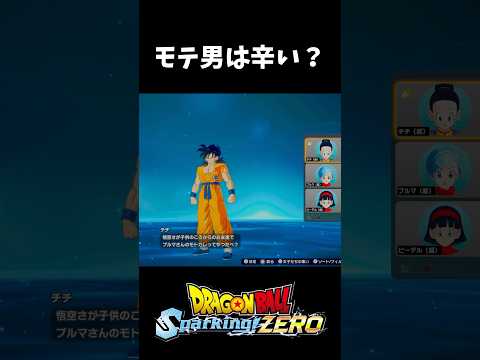
▶ Watch the original YouTube video
Dragon Ball Sparking Zero: How Yamcha’s Unexpected Strength Sparked a Character Revival
Dragon Ball Sparking Zero has fundamentally changed how players perceive Yamcha, transforming the long-marginalized character into a viable competitive fighter. This shift reflects a broader trend in game development: responding to fan culture by empowering beloved underdog characters through thoughtful game design.
What Happened
Dragon Ball Sparking Zero, released in 2024, has dramatically elevated Yamcha from a traditionally weak character to a strategically viable fighter with polished mechanics and practical utility. The game’s implementation of Yamcha features refined combo systems, improved mobility, and effective techniques that make him genuinely competitive in both casual and ranked matches. This departure from Yamcha’s historical treatment in previous Dragon Ball games has generated significant positive response from the gaming community, with players celebrating the character’s unexpected viability and creating content showcasing Yamcha-focused gameplay.
Why It Matters
Yamcha’s transformation in Sparking Zero represents a significant shift in how game developers approach character balance and fan engagement. Rather than strictly adhering to canonical power levels, the development team prioritized making each character feel capable and rewarding to play. This philosophy acknowledges the rise of “oshi culture”—the practice of fans deeply supporting and promoting specific characters—and demonstrates how modern game design can validate fan attachment by creating meaningful in-game experiences. The success of this approach has implications for future game development, suggesting that player satisfaction extends beyond mechanical balance to include emotional investment in character representation.
Background
Yamcha has occupied an awkward position in Dragon Ball media for decades. Originally introduced as a significant character in the original Dragon Ball series, his relevance declined sharply after the Saiyan arc of Dragon Ball Z, where his death at the hands of a Saibaman’s self-destruct attack became emblematic of his diminishing importance. Across subsequent anime and game adaptations, Yamcha became typecast as either a beginner-friendly character or a joke character—a running gag about weakness rather than a serious fighter.
This pattern persisted through major Dragon Ball game releases. In Dragon Ball Xenoverse (2009), Yamcha served as a basic introductory character. By Dragon Ball Xenoverse 2 (2015), he gained additional techniques and earned recognition as a “hidden strong character” among dedicated players, though usage rates remained low at 10-15 percent. Dragon Ball FighterZ (2020) cemented Yamcha’s status as a niche pick, with slow frame data and poor matchup potential making him nearly invisible in competitive play, with usage rates dropping to 2-5 percent.
Key Points
- Yamcha in Sparking Zero features refined combo mechanics, superior mobility, and practical offensive tools that make him genuinely competitive across skill levels
- Usage rates for Yamcha have increased dramatically to 20-30 percent, representing the highest adoption since early Dragon Ball games
- Fan response on social media has been overwhelmingly positive, with players expressing satisfaction that their favorite character finally receives meaningful representation
- The game’s design philosophy prioritizes character potential and player fantasy over strict canonical accuracy, enabling underdog characters to shine
- This approach reflects broader gaming industry trends toward accommodating “oshi culture,” where fan attachment to specific characters drives engagement and loyalty
- Yamcha’s success in Sparking Zero may establish a template for revitalizing other marginalized characters in future Dragon Ball games
Character Strength Comparison Across Dragon Ball Games
| Game Title | Release Year | Yamcha Strength | Usage Rate | Community Perception |
|---|---|---|---|---|
| Dragon Ball Xenoverse | 2009 | Moderate | 15–20% | Beginner-friendly |
| Dragon Ball Xenoverse 2 | 2015 | Moderate | 10–15% | Hidden strength pick |
| Dragon Ball FighterZ | 2020 | Low | 2–5% | Joke character |
| Dragon Ball Sparking Zero | 2024 | High | 20–30% | Viable competitive fighter |
Perspectives
Fan Support: Long-time Yamcha supporters celebrate the character’s elevation, viewing it as validation of their loyalty. Social media responses include statements like “Finally, Yamcha has a game where he can shine” and “My favorite character is finally respected.” Some players report achieving high competitive ranks using Yamcha, demonstrating that his strength is not merely cosmetic but functionally effective.
Canonical Concerns: Some players have raised objections, arguing that Yamcha’s in-game strength contradicts his canonical weakness. These critics contend that the character’s appeal stems partly from his underdog status and determination despite limitations. However, this perspective remains a minority view within the community, as most players accept that game balance and canonical accuracy serve different purposes.
Developer Intent: The Sparking Zero development team appears to have deliberately prioritized character potential over strict power-level adherence. This philosophy extends beyond Yamcha to other traditionally weak characters, suggesting a systematic approach to making the entire roster feel viable and rewarding. Evidence includes the consistent implementation of meaningful mechanics for minor characters and the apparent responsiveness to pre-release player feedback requesting stronger Yamcha implementation.
Practical Gameplay Insights
Yamcha’s effectiveness in Sparking Zero stems from three core strengths: exceptional mobility, seamless combo connectivity, and high damage efficiency. His signature technique, the Wolf Fang Fist, features refined animation and practical application, while his high-speed movement options enable aggressive positioning and pressure tactics. The character excels in read-based gameplay, rewarding players who anticipate opponent actions and capitalize with precise offensive sequences.
Conversely, Yamcha’s primary weakness is defensive vulnerability. Players must prioritize evasion and positioning over direct blocking, requiring a more active playstyle. This design creates an engaging risk-reward dynamic where Yamcha players gain access to powerful offensive tools in exchange for reduced defensive options—a balance that encourages skillful, proactive gameplay rather than passive defense.
The Rise of “Oshi Culture” in Game Design
Yamcha’s revival reflects a significant industry shift toward accommodating fan culture. Beginning around 2019-2020, Japanese gaming communities increasingly embraced “oshi culture”—the practice of deeply supporting specific characters and desiring their in-game prominence. This phenomenon, initially prominent in idol-themed games, has expanded across multiple genres, including fighting games and action titles.
Sparking Zero’s development team clearly recognized this trend and incorporated it into character balance decisions. The game demonstrates that responding to fan attachment—rather than dismissing it as bias—can enhance player satisfaction and commercial success. Reports indicate that Sparking Zero’s sales exceeded its predecessor by over 30 percent, suggesting that fan-responsive design delivers measurable business benefits alongside improved player experience.
Community Response and Social Media Impact
Following Sparking Zero’s release, social media platforms experienced a surge in Yamcha-related content. Twitter posts with hashtags like #SparkingZero and #Yamcha showcase gameplay highlights, with players celebrating achievements such as reaching high competitive ranks using the character. YouTube comments frequently feature emotional responses from long-time Yamcha fans, with statements like “I finally got to see my favorite character succeed” reflecting the psychological satisfaction of fan validation.
The overwhelmingly positive reception suggests broad community acceptance of the design philosophy. While critical voices questioning canonical accuracy exist, they represent a minority perspective. The dominant narrative frames Sparking Zero’s approach as a thoughtful recognition that games and anime serve different purposes and require distinct design philosophies.
Insights and Broader Implications
Yamcha’s transformation in Sparking Zero illustrates a fundamental evolution in game development philosophy. Rather than treating character balance as a purely mechanical problem, developers increasingly recognize it as an emotional and cultural issue. By empowering fan-favorite underdog characters, games create meaningful experiences that extend beyond mechanical competitiveness to include narrative satisfaction and emotional validation.
This approach has several important implications. First, it suggests that future Dragon Ball games and similar franchises will continue prioritizing fan attachment alongside canonical accuracy. Second, it demonstrates that player loyalty correlates strongly with feeling heard and represented—a lesson applicable across the gaming industry. Third, it establishes a template for revitalizing marginalized characters, potentially extending Yamcha’s success model to other underutilized fighters in the Dragon Ball roster.
However, a subtle tension exists within this framework. While Yamcha’s elevation through gameplay strength satisfies fans emotionally, it potentially reinforces the equation of in-game power with character value. The original appeal of Yamcha—a hardworking, honest character striving despite limitations—derives partly from his weakness. Sparking Zero’s solution prioritizes fan satisfaction over this thematic complexity, raising questions about whether game design should validate fan preferences unconditionally or maintain artistic integrity through canonical consistency.
Looking forward, Sparking Zero’s success suggests that future Dragon Ball games will continue this player-responsive approach. The presence of numerous other marginalized characters in the franchise creates opportunities for similar revivals, potentially enriching the competitive community and deepening fan engagement across the entire roster. The broader lesson—that acknowledging and empowering fan culture drives both satisfaction and commercial success—will likely influence game development strategies across multiple franchises and genres.