▶ Watch the original YouTube video
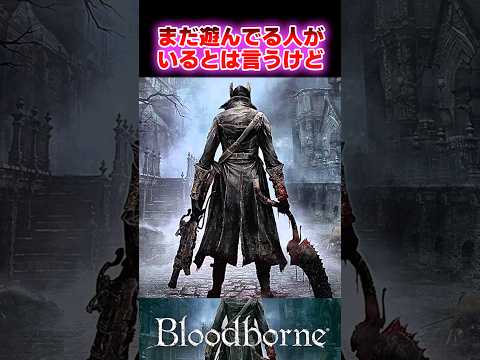
Nearly a decade after its 2015 release, FromSoftware’s Bloodborne continues to attract new players and maintain an active community. A recent video compilation capturing player reactions to the question “People are still playing this?” reveals why this gothic horror action game has transcended its age to become a timeless gaming experience.
- What Happened
- Why It Matters
- Background
- Key Points
- Bloodborne’s Distinctive Design Philosophy
- Community Dynamics and Player Retention
- Artistic Coherence and Timeless Appeal
- The “New Release Obsession” and Timeless Design
- Current Community Sentiment
- Practical Considerations for New Players
- Insights: Gaming’s Relationship with Time
What Happened
A video compilation has gathered community responses to the question of whether players are still actively engaged with Bloodborne, nine years after its PlayStation 4 launch. Rather than dismissing the game as outdated, the overwhelming majority of responses affirm that the game remains not only playable but essential—with many suggesting that new players should experience it today.
Why It Matters
Bloodborne represents a rare phenomenon in gaming: a title that transcends the industry’s “new release obsession” to maintain cultural and artistic relevance across generations. In an era where games are often considered obsolete within months of release, Bloodborne’s sustained popularity challenges assumptions about gaming’s relationship with time and technological advancement. The game demonstrates that exceptional design, narrative complexity, and artistic vision can create experiences that remain compelling regardless of hardware age or graphical fidelity.
Background
Bloodborne launched on March 26, 2015, as FromSoftware’s first original IP following the Dark Souls trilogy. While building on the challenging action-RPG formula established by Dark Souls, Bloodborne introduced a distinctive gothic horror aesthetic inspired by 19th-century literature. The game is set in the city of Yharnam, a decaying metropolis plagued by a blood-borne disease that transforms inhabitants into beasts. Unlike Dark Souls’ fragmented world design, Bloodborne constructs a unified urban environment with layered exploration: surface streets, sewers and cemeteries, forbidden forests, the city’s depths, and the realm of the Great Ones.
Key Points
- Community responses overwhelmingly affirm that Bloodborne remains worth playing, with many suggesting it should be experienced by new players today
- The game’s high difficulty and complex narrative structure create ongoing engagement and community discussion nine years after release
- Bloodborne’s unified world design and layered exploration distinguish it from other souls-like titles, including Dark Souls and Elden Ring
- Active multiplayer functionality and a welcoming community create a supportive environment for new players
- Anticipation for PS5 high-framerate optimization suggests players view the game as worthy of continued technical investment
- The game’s gothic horror aesthetic and artistic coherence across visual, audio, and mechanical elements create a comprehensive artistic experience
Bloodborne’s Distinctive Design Philosophy
What separates Bloodborne from contemporary souls-like games is its commitment to world cohesion. Rather than presenting a fragmented landscape of disparate locations, Bloodborne constructs Yharnam as a unified city with a five-layer vertical structure: the surface streets, underground systems and burial grounds, the forbidden forest, the city’s hidden depths, and the realm of higher beings. This architectural approach creates a sense of exploration that resembles navigating a physical building rather than traversing an open world.
The game’s narrative design similarly prioritizes moral complexity. Player choices—whether to aid or abandon NPCs like Eileen the Crow, or how deeply to engage with Yharnam’s forbidden knowledge—frame decisions as ethical dilemmas rather than simple gameplay branches. This moral dimension distinguishes Bloodborne’s storytelling from other FromSoftware titles and contributes to its replay value.
Enemy and boss design further reinforces this artistic coherence. Rather than serving as mere obstacles, boss characters embody narrative tragedy. The Beast-Possessed King, for instance, represents the horrific transformation of humanity into monstrosity—a concept that extends beyond mechanical challenge to thematic resonance. This narrative integration of combat encounters creates emotional weight absent from many contemporary action games.
Community Dynamics and Player Retention
Three primary factors sustain Bloodborne’s active community. First, the game’s high difficulty creates natural incentives for player collaboration. Struggling with challenging bosses drives players toward multiplayer cooperation and community forums, where they seek and share strategies. This difficulty-driven engagement transforms solitary play into communal experience.
Second, narrative complexity encourages repeated engagement and discussion. Bloodborne’s story resists complete comprehension in a single playthrough, with lore distributed across item descriptions, environmental details, and NPC dialogue. This design intentionally creates interpretive ambiguity, motivating players to replay the game and discuss theories within the community.
Third, the multiplayer system—featuring cooperative and competitive modes—directly connects players across regions. Cooperative assistance during challenging encounters creates genuine bonds between players, while competitive modes maintain long-term engagement. These systems transform Bloodborne from a single-player experience into a persistent social space.
Artistic Coherence and Timeless Appeal
Bloodborne’s enduring appeal stems fundamentally from its artistic completeness. The game successfully translates 19th-century gothic horror literature into interactive form, achieving what comparable titles like Darkest Dungeon approach more abstractly. Every element—architecture, character design, enemy aesthetics, NPC dialogue, environmental storytelling—reinforces the gothic horror vision.
Composer Masashi Nakano’s score exemplifies this coherence. Rather than serving as mere background accompaniment, the music actively shapes player psychology. The boss theme “Bloodstarved Beast” combines aggressive percussion with unsettling strings to create psychological tension that enhances combat encounters. This integration of audio design into the overall artistic statement distinguishes Bloodborne from games where music functions separately from thematic intent.
The game’s visual design similarly maintains artistic consistency. Character models, environmental details, and creature designs all reflect the gothic horror aesthetic. Unlike Dark Souls’ chronologically mixed world or Elden Ring’s stylistically diverse regions, Bloodborne maintains visual and thematic unity despite its layered structure.
The “New Release Obsession” and Timeless Design
The question “People are still playing this?” reflects gaming culture’s pervasive bias toward new releases. The industry’s “new game supremacy” creates social pressure to abandon older titles in favor of contemporary releases. However, this bias conflates age with obsolescence—a false equivalence that Bloodborne’s sustained popularity directly challenges.
Historical precedent supports this perspective. The Legend of Zelda: Ocarina of Time (1998) remains actively played nearly 25 years after release, not from nostalgia but from fundamental design excellence. Similarly, Bloodborne’s continued engagement reflects intrinsic quality rather than historical sentiment. New players discovering the game experience the same artistic and mechanical excellence as original players, suggesting universal rather than generational appeal.
This distinction matters because it reframes how gaming communities evaluate artistic merit. Rather than measuring value by release date or graphical fidelity, Bloodborne’s example suggests that comprehensive artistic vision—the integration of mechanics, narrative, aesthetics, and design philosophy—creates experiences that transcend technological generations.
Current Community Sentiment
Video comments reveal predominantly positive sentiment toward Bloodborne’s continued relevance. Recurring themes include: “Bloodborne remains the finest game ever made; I envy new players experiencing it for the first time,” “I’m a new player and it’s difficult but utterly captivating,” and “I’m waiting for PS5 high-framerate optimization.” These responses indicate both sustained appreciation from veteran players and genuine attraction for newcomers.
Negative comments, while present, typically cite graphical age or preference for newer titles. These critiques reflect the “new release obsession” rather than substantive artistic critique, as they prioritize technological novelty over design coherence.
Practical Considerations for New Players
For players considering Bloodborne, several factors support immediate engagement. The anticipated PS5 high-framerate update would elevate the experience from PS4’s 60fps to potential 120fps performance, dramatically improving responsiveness and visual fluidity. Even without this optimization, the current PS4 version remains fully viable.
The community’s welcoming culture toward new players has strengthened since the game’s release. Veteran players actively assist newcomers through multiplayer cooperation and forum guidance, creating a supportive environment that mitigates the game’s notorious difficulty.
For first-time players, several recommendations enhance the experience: expect the early boss “Gascoigne the Executioner” to present a significant challenge; utilize multiplayer cooperation when struggling; approach the narrative with the understanding that complete comprehension develops across multiple playthroughs; and prioritize atmospheric immersion over immediate story comprehension during the first playthrough.
Complementary titles like Darkest Dungeon and Elden Ring offer related experiences while highlighting Bloodborne’s distinctive approach. Playing these titles after Bloodborne clarifies what makes Bloodborne’s design philosophy unique.
Insights: Gaming’s Relationship with Time
Bloodborne’s sustained relevance challenges fundamental assumptions about gaming’s relationship with technological progress and cultural time. The game demonstrates that artistic coherence—the unified integration of all design elements toward a singular vision—creates experiences that transcend hardware limitations and release-date obsolescence.
The question “People are still playing this?” ultimately reflects not on Bloodborne’s merit but on gaming culture’s bias toward novelty. In an industry that treats games as disposable products, Bloodborne stands as a counterexample: a work of comprehensive artistic vision that remains essential regardless of age.
The game’s continued growth in new player engagement suggests a cultural shift toward recognizing gaming’s artistic potential. As the industry matures, the distinction between “old games” and “timeless games” becomes increasingly meaningful. Bloodborne exemplifies the latter category—not because it is old, but because its artistic vision transcends the temporal limitations that constrain most commercial entertainment.
Future PS5 optimization would likely accelerate this recognition, transforming “People are still playing this?” into “Why haven’t you played this yet?” Such a shift would reflect not changing opinions about Bloodborne’s quality, but rather growing cultural recognition that true artistic achievement remains relevant across technological generations.