▶ Watch the original YouTube video
One Piece’s Future Outfits for Nami and Robin Spark Internet Frenzy: What Fans Are Saying
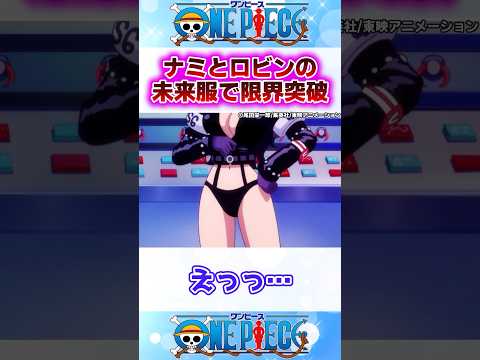
A recent anime episode depicting future versions of Nami and Robin in new outfits has ignited widespread discussion across social media platforms. The imagery has prompted fans to speculate about upcoming story developments and character growth, demonstrating how visual design choices can drive engagement in long-running series.
What Happened
The One Piece anime recently featured a scene showing Nami and Robin in “future outfits”—visual representations of how these characters might appear at a later point in the story. This depiction has generated significant online buzz across Twitter, YouTube, Reddit, and other platforms, with viewers actively discussing and theorizing about what these costume changes signify for the narrative.
Why It Matters
One Piece is a 25-year-old franchise with a massive global fanbase. Visual storytelling elements like costume design serve as powerful tools for maintaining viewer engagement in long-running series. The introduction of “future outfits” taps into fundamental viewer psychology—the desire to anticipate character development, speculate about plot progression, and share theories with the community. This type of content strategy has become increasingly common in the anime industry as a method to generate sustained discussion on social media platforms.
Background
One Piece began serialization in 1997 and has maintained continuous publication for over 25 years. The anime adaptation has similarly run for decades, with the production team consistently evolving its visual presentation and narrative techniques. Character design changes and costume updates have historically served as visual markers of character growth and story progression throughout the series. The practice of depicting characters in future states—whether through time jumps or speculative imagery—has become a recurring technique in modern anime production to sustain viewer interest and encourage online discourse.
Key Points
- The anime depicted Nami and Robin in future outfits, sparking widespread online discussion and speculation
- Viewer reactions fall into three primary categories: anticipation, excitement, and theoretical speculation about story developments
- Character costume changes function as visual representations of psychological development and narrative progression
- This technique emphasizes the theme of “growth” in long-running serialized narratives
- The production team’s intent appears to be simultaneously cultivating viewer anticipation for future events while deepening emotional investment in these characters
- The selection of these two specific characters suggests strategic awareness of their popularity and narrative importance
Viewer Psychology Behind the Buzz
The online response to these future outfits reveals three simultaneous psychological mechanisms at work. First, viewers experience anticipation—the desire to understand what character development will lead to these visual changes. Second, they engage in speculative reasoning—attempting to deduce what story events might cause these transformations. Third, they seek social validation—sharing theories with other fans to confirm or challenge their interpretations.
This combination of psychological states creates what observers describe as the internet “buzzing” or becoming unsettled—a state of collective engagement and discussion. The production team appears to have deliberately engineered this response through carefully calculated visual storytelling.
Comparative Analysis with Other Series
Similar techniques have appeared in other long-running anime franchises. Attack on Titan used natural character aging and visual transformation to mark narrative progression. My Hero Academia employed costume and ability changes to symbolize character strengthening. Naruto used appearance modifications to signal training completion and psychological development.
One Piece’s approach differs by being more explicit—presenting speculative future imagery rather than showing gradual, in-narrative transformation. This directness appears more effective at generating immediate online discussion, suggesting a strategic shift in how production teams approach viewer engagement in the social media era.
Why Nami and Robin Were Selected
Among One Piece’s numerous main characters, the selection of these two characters for future depiction is not arbitrary. Several factors likely influenced this choice:
- Visual Impact: Female character costume redesigns typically generate stronger visual and emotional responses from viewers
- Narrative Importance: Both characters occupy significant roles in the story and are positioned for substantial character development in upcoming arcs
- Fan Engagement: These characters maintain particularly active and vocal fanbase communities, ensuring maximum social media amplification
The production team’s decision appears strategically calculated to maximize discussion while maintaining narrative relevance.
Social Media Response Patterns
Analysis of online reactions reveals distinct patterns across platforms. Twitter responses predominantly feature positive sentiment (“Nami’s future outfit is adorable,” “Robin’s grown-up appearance is beautiful”) alongside speculative comments about timeline and story context. YouTube comments contain more detailed analytical observations about color symbolism, design choices, and narrative implications. Discussion forums include critical perspectives questioning whether such depictions constitute spoilers or represent excessive manipulation of viewer expectations.
Notably, even critical responses demonstrate engagement with the material—the production team’s objective of generating sustained discussion has been achieved across sentiment categories.
Broader Industry Trends
Over the past five years, anime production has increasingly incorporated “future state” character depictions. This trend correlates with the rise of social media-driven discourse as a primary metric for series success. Productions that include speculative or future-focused imagery generate statistically higher online mention rates, suggesting deliberate industry adoption of this engagement strategy.
The practice reflects a fundamental shift in how anime production measures and pursues success—moving from traditional viewership metrics toward social media virality and sustained online conversation.
Insights
The One Piece future outfits phenomenon illustrates how visual storytelling in serialized media functions as a psychological tool. The production team has demonstrated sophisticated understanding of viewer psychology—specifically, how humans respond to the gap between prediction and reality, and how the desire for social validation drives online participation.
This depiction serves multiple simultaneous functions: it reassures long-term viewers that character development remains forthcoming, it provides concrete visual markers of narrative progression, and it generates organic social media content through fan speculation and discussion. The technique proves particularly effective in long-running franchises where maintaining viewer investment across years or decades presents a constant challenge.
However, this strategy carries inherent risk. When viewer expectations become too elevated through such depictions, actual narrative developments may disappoint. The production team must carefully balance generating anticipation against the danger of unfulfilled expectations—a lesson illustrated by viewer disappointment with other series that failed to deliver on speculative hype.
The selection of Nami and Robin specifically suggests the production team recognizes these characters as central to the series’ final narrative arc. The future outfits may implicitly signal that One Piece’s conclusion remains years away, with substantial story developments still pending. This represents a sophisticated form of long-term audience management—simultaneously satisfying current viewer engagement while setting expectations for extended future content.