▶ Watch the original YouTube video
How the Scarlet Squadron Represents a Tactical Evolution in Mobile Suit Gundam
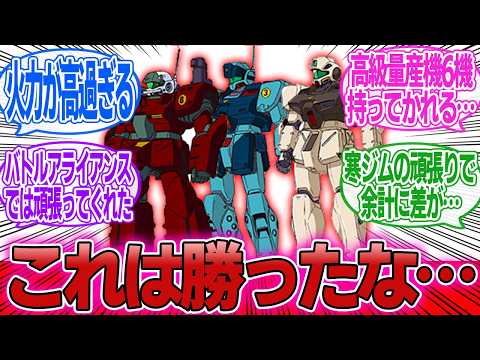
The introduction of the Scarlet Squadron in Mobile Suit Gundam marks a significant shift in how the franchise depicts military conflict, moving from individual pilot prowess to organized tactical coordination. Viewers have responded with the phrase “this is a winning strategy” upon seeing the elite unit, reflecting a recognition that traditional Gundam victory patterns may no longer apply against such organized opposition.
- What Happened
- Why It Matters
- Background
- Key Points
- Tactical Characteristics
- Comparative Analysis: Elite Units Across Gundam
- Viewer Reception and Analysis
- Implications for Gundam’s Future Direction
- Understanding the Scarlet Squadron: Analytical Framework
- Broader Context: Anime Industry Trends
- Unresolved Questions and Future Considerations
- Conclusion
What Happened
The Scarlet Squadron has emerged as a formidable antagonistic force in the current Gundam series, distinguished by its coordinated tactical approach rather than reliance on individual pilot abilities. Unlike previous elite units in the franchise, this squadron operates under strict organizational discipline, with multiple skilled pilots executing synchronized combat maneuvers. The appearance of this unit has generated significant viewer discussion, with many expressing the sentiment that the protagonist faces an unprecedented threat that defies conventional Gundam victory formulas.
Why It Matters
The Scarlet Squadron’s introduction signals a fundamental evolution in how the Gundam franchise approaches military storytelling. For over three decades, Gundam narratives have centered on the exceptional abilities of individual pilots—whether through Newtype powers, Coordinator genetics, or unique mobile suit capabilities. The emergence of an elite unit that prioritizes organizational tactics over individual excellence represents a departure from this established formula. This shift reflects broader trends in military science fiction, where realistic tactical coordination increasingly supersedes superhuman individual abilities as the primary source of combat effectiveness.
Background
The Gundam franchise has long explored the tension between individual power and organizational strength. Previous elite units have taken different approaches: the OZ organization in Mobile Suit Gundam Wing emphasized individual pilot excellence within a structured hierarchy, while the Russian military forces in Mobile Suit Gundam 00 demonstrated the effectiveness of coordinated tactical operations with trained soldiers. The Scarlet Squadron appears to synthesize both approaches—combining elite pilot capabilities with strict organizational discipline and unified tactical execution.
This evolution reflects contemporary trends in military science fiction anime. Series such as Attack on Titan, 86 -Eighty-Six-, and Valkyria Chronicles have increasingly emphasized organizational tactics over individual heroics. The Scarlet Squadron represents Gundam’s adaptation to these modern storytelling conventions.
Key Points
- The Scarlet Squadron embodies a shift from “individual power” to “organized tactical coordination” in Gundam’s narrative framework
- Multiple elite pilots operating under unified command structure create a threat that traditional Gundam victory patterns may not overcome
- Viewer responses of “this is a winning strategy” reflect recognition that protagonist-centered plot armor faces genuine tactical opposition
- The squadron’s effectiveness derives from the integration of pilot skill, machine performance, and coordinated tactical execution
- This development mirrors broader anime industry trends prioritizing realistic military tactics over superhuman individual abilities
- The unit’s composition suggests machine design optimized for coordinated multi-pilot operations rather than individual excellence
Tactical Characteristics
Organizational Unity: Unlike previous elite units where individual pilots maintained significant autonomy, the Scarlet Squadron operates under clear hierarchical command. Each pilot executes assigned roles within a larger strategic framework rather than pursuing independent objectives.
Machine Standardization: The use of identical mobile suits across the squadron enables predictable coordination and simplified tactical execution. This contrasts with earlier Gundam antagonists who often fielded diverse machine types reflecting individual pilot preferences.
Integrated Tactics: The squadron’s effectiveness emerges from the seamless integration of pilot training, machine capabilities, and coordinated strategy. High-performance machines enable the execution of complex tactical maneuvers impossible for standard military units.
Comparative Analysis: Elite Units Across Gundam
| Series | Unit Name | Tactical Focus | Pilot Characteristics | Protagonist Matchup |
|---|---|---|---|---|
| Mobile Suit Gundam Wing | OZ Organization | Individual pilot excellence within hierarchy | Highly skilled independent operators | Defeatable through individual prowess |
| Mobile Suit Gundam 00 | Russian Military Forces | Coordinated tactical operations | Trained soldiers with standard capabilities | Difficult to overcome through organization alone |
| Current Series | Scarlet Squadron | Elite coordination plus individual skill | Exceptional pilots under strict discipline | Traditional victory patterns rendered ineffective |
Viewer Reception and Analysis
The phrase “this is a winning strategy” appearing repeatedly in viewer comments reflects a collective recognition that the Scarlet Squadron represents a genuine threat to established Gundam narrative conventions. This response indicates that audiences understand the fundamental difference between this antagonistic force and previous opponents.
Recognition of Tactical Threat: Viewers acknowledge that multiple elite pilots executing coordinated operations create a scenario where the protagonist cannot rely on hidden machine capabilities, sudden power awakening, or individual skill superiority to achieve victory.
Expectation of Innovation: Simultaneously, some viewer comments express hope that the protagonist will develop new capabilities or strategies to counter this organized threat, suggesting that traditional Gundam narrative expectations persist alongside recognition of the new challenge.
Appreciation for Tactical Realism: Positive responses emphasizing “tactical realism” indicate that anime audiences increasingly value military science fiction that prioritizes strategic coordination over superhuman abilities.
Implications for Gundam’s Future Direction
Diminishing Emphasis on Individual Exceptionalism: The Scarlet Squadron’s effectiveness without reliance on Newtype abilities, Coordinator genetics, or unique pilot powers suggests that future Gundam narratives may reduce emphasis on protagonist exceptionalism as the primary source of victory.
Increased Tactical Sophistication: The franchise appears to be moving toward narratives where victory emerges from superior strategy and coordination rather than individual capability. This aligns with contemporary military science fiction conventions.
Evolution of Antagonist Characterization: Rather than featuring memorable individual antagonists with distinct personalities and ideologies, future Gundam works may emphasize organizational structures and collective tactical approaches, potentially reducing opportunities for character-driven antagonist narratives.
Machine Design Philosophy: The Scarlet Squadron’s standardized machines suggest that future Gundam designs may prioritize compatibility with coordinated tactical operations over accommodation of individual pilot preferences and exceptional abilities.
Understanding the Scarlet Squadron: Analytical Framework
To comprehend the Scarlet Squadron’s significance within Gundam’s broader narrative evolution, viewers should consider the following analytical approaches:
Historical Comparison: Reviewing the Russian military forces from Mobile Suit Gundam 00 Season 2 provides insight into the tactical philosophy underlying the Scarlet Squadron. The earlier unit demonstrates how coordinated operations can challenge protagonist-centered narratives.
Role Analysis: Examining each Scarlet Squadron pilot’s specific function within the unit reveals how individual skills integrate into collective tactical execution. This analysis illuminates the source of the unit’s effectiveness.
Victory Pattern Deconstruction: Analyzing how the protagonist has achieved victory in previous encounters establishes the baseline against which the Scarlet Squadron represents a departure. Understanding past victory conditions clarifies why this new threat appears insurmountable.
Related Series Study: Rewatching Mobile Suit Gundam 00 and Mobile Suit Gundam Wing provides context for understanding how Gundam’s depiction of antagonistic forces has evolved toward greater emphasis on organizational tactics.
Broader Context: Anime Industry Trends
The Scarlet Squadron’s emergence reflects industry-wide trends in military science fiction anime. Over the past five years, viewer demand for tactical realism in military-themed anime has increased substantially. Series emphasizing organizational strategy over individual heroics have gained critical recognition and audience appreciation.
This shift represents a maturation of the military science fiction genre, where narrative sophistication increasingly derives from strategic complexity rather than superhuman individual abilities. The Gundam franchise’s adoption of this approach through the Scarlet Squadron demonstrates the series’ responsiveness to contemporary storytelling conventions.
Unresolved Questions and Future Considerations
While the Scarlet Squadron represents a significant tactical evolution, important narrative questions remain. Will individual pilot characterization be maintained despite organizational emphasis? How will the protagonist develop countermeasures against coordinated tactical opposition? Will the franchise maintain the character-driven drama that has historically defined Gundam narratives while embracing organizational tactics?
The resolution of these tensions will determine whether the Scarlet Squadron represents a sustainable narrative direction or a temporary tactical challenge that ultimately reinforces traditional Gundam storytelling patterns.
Conclusion
The Scarlet Squadron’s introduction marks a pivotal moment in Gundam’s evolution. The unit embodies the franchise’s transition from narratives centered on individual pilot exceptionalism to stories emphasizing organizational tactical sophistication. Viewer recognition of this shift—expressed through the phrase “this is a winning strategy”—reflects understanding that traditional Gundam victory formulas face genuine challenge from coordinated elite opposition.
Whether this represents a permanent narrative direction or a temporary antagonistic obstacle remains to be seen. However, the Scarlet Squadron undeniably demonstrates that the Gundam franchise continues to evolve in response to contemporary military science fiction conventions and audience expectations for tactical realism.