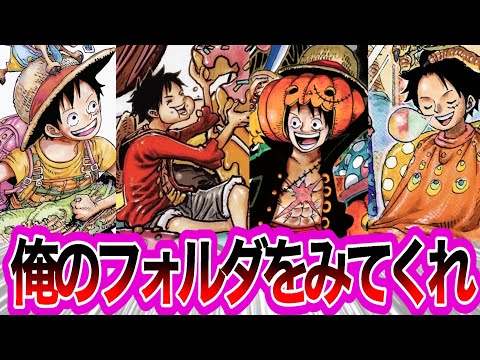
▶ Watch the original YouTube video
A comprehensive analysis of Monkey D. Luffy’s enduring appeal reveals that his charm lies not in calculated cuteness, but in his unwavering innocence and pure-hearted nature. Drawing from 15 years of anime viewership and comparative character analysis, this deep dive explores how One Piece’s protagonist has remained beloved across generations through his authentic, unguarded personality.
What Happened
A viral video compilation has surfaced showcasing Luffy’s cutest moments from across One Piece’s anime history, spanning from the early 1999 episodes through the latest 2020+ content. The video has generated significant engagement across social media platforms, with fans expressing overwhelming appreciation for the character’s charm. Comments on YouTube, Twitter, and discussion forums consistently highlight words like “healing,” “adorable,” and “stress-relieving” when describing their reactions to these scenes.
Why It Matters
Luffy’s appeal extends far beyond typical protagonist characteristics. In an industry where main characters are traditionally defined by strength, coolness, and righteousness, Luffy’s genuine innocence and unguarded nature represent a departure from convention. This analysis reveals how character authenticity—rather than calculated design—creates lasting emotional connections with audiences. Understanding Luffy’s appeal provides insight into what modern viewers seek in long-form storytelling: characters who maintain their core humanity despite growth and adversity.
Background
One Piece debuted as an anime in 1999 and has maintained continuous production for over two decades. Voice actress Mayu Tanaka has portrayed Luffy consistently throughout this entire period, lending continuity and depth to the character. The series has evolved significantly in animation technology, narrative scope, and character development, yet Luffy’s fundamental nature has remained unchanged. This consistency, combined with the character’s multi-faceted personality, has made him one of anime’s most enduring and beloved protagonists.
Key Points
- Authentic Innocence Over Calculated Charm: Unlike characters such as Gintoki from Gintama, whose cuteness derives from the gap between their true nature and surface behavior, Luffy’s charm stems from genuine, unfiltered innocence with no underlying calculation.
- Evolution Without Loss of Essence: From early episodes to current arcs, Luffy has grown stronger and more mature, yet his fundamental pure-heartedness and childlike wonder remain intact, distinguishing him from characters like Eren Yeager whose cuteness reflects immaturity rather than core identity.
- Emotional Resonance Through Relationships: Luffy’s cuteness is not expressed in isolation but through his interactions with crew members—particularly scenes of being scolded by Nami or playing with Chopper—revealing how his charm depends on relational context.
- Animation Technology’s Dual Impact: While modern animation techniques enable more detailed facial expressions and color richness, the simplicity and warmth of early cel-animation actually conveyed Luffy’s innocence more directly, suggesting that technological advancement doesn’t necessarily enhance emotional impact.
- Food as Expression of Pure Joy: Scenes depicting Luffy eating represent his most authentic moments of happiness, serving as visual metaphors for his fundamental lack of pretense and his connection to basic human desires and satisfaction.
- Psychological Healing Effect: Fan responses indicate that viewing Luffy’s unguarded nature provides psychological comfort in an increasingly complex world, offering audiences a temporary return to authenticity and simplicity.
Timeline
- 1999-2005 (Early Anime Era): Luffy’s cuteness expressed primarily through deformed facial expressions, sparkling eyes, and childlike movements; animation style emphasizes simplicity and warmth.
- 2005-2015 (Middle Period): Gradual evolution in animation quality; Luffy begins showing more nuanced expressions while maintaining core innocence; introduction of movie and original anime episodes expanding character presentation.
- 2015-2020 (Transition Phase): More sophisticated animation techniques allow simultaneous expression of maturity and innocence; character design becomes more intentional in balancing growth with preserved essence.
- 2020-Present (Modern Era): Cuteness expression becomes more consciously integrated into production; careful attention to detail in scenes emphasizing Luffy’s pure-heartedness; increased focus on relationship dynamics and emotional authenticity.
Comparative Character Analysis
| Character | Series | Type of Cuteness | Key Distinction from Luffy |
|---|---|---|---|
| Eren Yeager | Attack on Titan | Immaturity during growth | Cuteness diminishes with maturity; Luffy’s remains constant |
| Gintoki Sakata | Gintama | Gap between nature and behavior | Calculated persona; Luffy’s innocence is unfiltered and genuine |
| Son Goku | Dragon Ball | Simplicity and strength pursuit | More emotionally detached; Luffy demonstrates richer emotional complexity |
| Monkey D. Luffy | One Piece | Authentic, unguarded innocence | Maintains core nature while growing; emotionally rich and relational |
Perspectives
Fan Perspective: The overwhelming majority of viewer responses emphasize emotional healing and stress relief. Fans describe Luffy’s presence as comforting and restorative, suggesting audiences actively seek his unguarded nature as counterbalance to modern life’s complexity.
Production Perspective: Recent episodes (2020 onward) demonstrate increasingly intentional integration of Luffy’s cuteness into narrative and visual design. This suggests creators recognize and deliberately cater to audience demand for these moments, raising questions about whether authentic innocence can remain authentic once it becomes consciously performed.
Character Evolution Perspective: Some viewers express preference for early-era Luffy, arguing that recent depictions have become “too mature.” However, analysis suggests the character’s essence remains unchanged; only the expression method has evolved to accommodate both his growth and the maturation of the original audience.
Critical Perspective: A valid concern exists regarding whether Luffy’s cuteness, once recognized as commercially valuable, risks becoming calculated rather than authentic. The tension between preserving genuine innocence and deliberately showcasing it for audience satisfaction represents an ongoing creative challenge.
Insights
Luffy’s sustained popularity reveals a fundamental truth about character-driven storytelling: audiences crave authenticity above all else. In an entertainment landscape increasingly dominated by carefully constructed personas and calculated emotional beats, a character who remains genuinely unguarded across 20+ years of development stands out as exceptional.
The psychological impact of Luffy’s innocence—described consistently as “healing” by viewers—indicates that modern audiences experience genuine hunger for unfiltered humanity. His cuteness functions not as a marketing tool but as a mirror reflecting what audiences have lost in their own lives: the ability to experience pure joy without calculation or self-consciousness.
The evolution of animation technology, while enabling more sophisticated visual expression, has not fundamentally altered Luffy’s appeal. This suggests that character authenticity transcends technical presentation. Whether rendered in simple cel-animation or modern digital techniques, Luffy’s core nature communicates directly to viewers because it remains fundamentally unchanged.
The relational nature of Luffy’s charm—how his cuteness emerges through interaction with crew members rather than in isolation—indicates that One Piece’s structural emphasis on nakama (companionship) is not merely thematic but essential to character expression. Luffy cannot be fully understood or appreciated outside the context of his relationships, a distinction that separates him from other long-running shonen protagonists.
Looking forward, the creative challenge for One Piece’s production team involves maintaining the delicate balance between Luffy’s continued growth and the preservation of his essential innocence. As he faces increasingly significant challenges in the Wano Country arc and beyond, the question becomes whether his pure-heartedness can remain authentic while simultaneously becoming more consciously performed for audience satisfaction. This tension may ultimately define the series’ final chapters.