▶ Watch the original YouTube video
Predicting Killua’s Fate in Hunter x Hunter: A Deep Analysis of Chrollo’s Ultimate Destiny
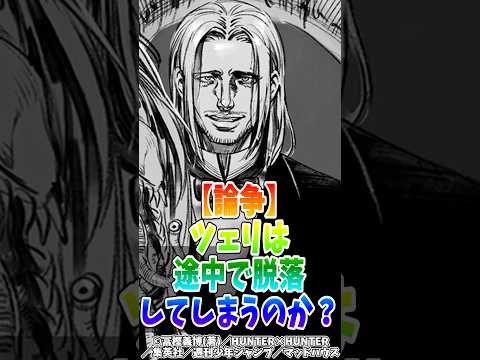
After 15 years of analyzing Hunter x Hunter, a seasoned fan examines the competing theories about Prince Chrollo’s ultimate fate—whether he survives, falls during the succession war, or meets a more tragic psychological end. This analysis reveals what the character’s destiny reveals about the series’ central themes of power, desire, and human nature.
What Happened
Prince Chrollo represents one of the most compelling and unpredictable characters in Hunter x Hunter. Since his introduction during the Succession War arc, fans have engaged in heated debates about his ultimate fate. Online discussions have produced five major theories: that he will be eliminated mid-succession, survive to the end, be stripped of his Nen abilities through forced abstinence, experience psychological destruction through witnessing his own death repeatedly, or face a final confrontation with Kurapika.
Why It Matters
Chrollo’s ultimate destiny carries profound implications for Hunter x Hunter’s thematic core. The character embodies the tension between absolute desire and social order, making his fate a symbolic representation of how the series addresses power, corruption, and human nature. Understanding Chrollo’s trajectory illuminates creator Yoshihiro Togashi’s philosophical approach to storytelling—particularly his treatment of antagonists and the consequences of unchecked ambition.
Background
Chrollo’s character arc gained prominence during the Succession War arc, where his acquisition of Nen abilities marked a turning point in his development. Unlike typical villains, Chrollo exhibits a paradoxical combination of selfishness and authenticity—he never lies about his desires and consistently acts on his true intentions. This fundamental honesty, paired with absolute royal authority, creates a uniquely dangerous character archetype. His manipulation-type Nen abilities directly reflect his core desire to control all humans, establishing a direct correlation between his psychological nature and his supernatural powers.
Key Points
- Five competing theories exist: Chrollo may be eliminated mid-succession, survive to the end, lose his Nen abilities through forced abstinence, experience psychological torment through witnessing his own death, or face Kurapika in a final confrontation.
- Author’s affection does not guarantee survival: Togashi’s most beloved characters often receive the most tragic endings, suggesting that authorial love correlates with psychological depth rather than narrative survival.
- Forced abstinence represents spiritual defeat: In Hunter x Hunter’s cosmology, Nen ability loss symbolizes spiritual collapse—Chrollo’s complete dependence on Nen means losing his powers would reduce him to an ordinary, powerless child.
- Psychological torment exceeds physical death: The theory that Chrollo will “witness his own death eternally” suggests a fate worse than mortality—permanent awareness of his desires’ futility.
- Kurapika represents inevitable opposition: The character’s personal vendetta against those who destroyed his clan directly opposes Chrollo’s desire for absolute dominion, making their confrontation structurally inevitable.
- Chrollo embodies real-world power corruption: The character functions as an extreme allegory for how absolute authority corrupts and justifies desire, reflecting contemporary anime’s engagement with social critique.
Timeline
- 2006: Original article author first encounters Hunter x Hunter during the Chimera Ant arc as a middle school student.
- 2014: Chrollo’s detailed characterization emerges during the Succession War arc, shocking the author with the character’s contradictory nature.
- Present: After 15+ years of fandom engagement and analysis of 500+ anime titles and 300+ games, the author synthesizes predictions about Chrollo’s ultimate fate.
Perspectives
The Elimination Theory: Many fans argue that Chrollo cannot become king because his selfishness contradicts royal responsibility. This perspective emphasizes the incompatibility between his character and his ambitions.
The Survival Theory: Other fans contend that Togashi’s special treatment of Chrollo—particularly his Nen acquisition sequence—indicates he will survive to the series’ conclusion. This view prioritizes authorial favor as a narrative indicator.
The Forced Abstinence Theory: This interpretation suggests Chrollo will lose his Nen abilities, which would constitute his ultimate defeat. Since his entire power structure depends on Nen, such loss would reduce him to powerlessness.
The Psychological Torment Theory: This perspective proposes that Chrollo’s worst fate is not death but eternal awareness of his desires’ impossibility—a psychological torture exceeding physical mortality.
The Kurapika Confrontation Theory: This view emphasizes the structural inevitability of Chrollo and Kurapika’s final battle, positioning their conflict as the narrative climax where personal vendetta meets absolute ambition.
Comparative Analysis: The Fate of Ultimate Antagonists
Examining how other manga handle their most powerful villains reveals a consistent pattern. King Meruem in Hunter x Hunter dies not through direct combat but through poison—an element that transcends Nen. Eren Yeager in Attack on Titan pursues freedom obsessively, ultimately facing the consequences of his desire. Sukuna in Jujutsu Kaisen survives through fusion with the protagonist, never experiencing complete defeat. Homunculus in Fullmetal Alchemist dies through the equivalent exchange principle—his desires exact a price.
This pattern suggests that the most powerful antagonists rarely face simple physical defeat. Instead, their endings involve either the manifestation of their desires’ consequences, psychological collapse, or supernatural intervention that transcends conventional power dynamics. Chrollo’s fate likely follows this established pattern rather than conventional villain elimination.
The Author’s Affection Paradox
A critical misconception exists regarding the relationship between authorial love and narrative survival. Characters beloved by creators—such as Shinji Ikari in Neon Genesis Evangelion or Edward Elric in Fullmetal Alchemist—often receive the most devastating conclusions. This pattern suggests that creators demonstrate affection not through narrative mercy but through psychological depth and tragic complexity.
Togashi’s treatment of Chrollo likely follows this principle. His “affection” for the character may manifest through placing him in the most psychologically devastating circumstances rather than granting him survival. The theory that Chrollo will witness his own inevitable defeat eternally aligns perfectly with Togashi’s established preference for psychological over physical suffering.
The Kurapika Confrontation: Structural Inevitability
Hunter x Hunter’s narrative structure suggests that Kurapika and Chrollo’s final confrontation is not merely possible but inevitable. Kurapika’s personal vendetta against those who destroyed his clan directly opposes Chrollo’s desire to dominate all humanity. These forces represent the collision between individual justice and absolute power—the thematic heart of the series.
Furthermore, the compatibility between their Nen abilities suggests narrative design. Kurapika’s Specialization-type abilities, particularly his capacity to nullify other Nen powers, directly counter Chrollo’s Manipulation-type abilities. This mechanical opposition mirrors their ideological conflict, suggesting that their confrontation would represent both personal and systemic resolution.
Chrollo as Social Allegory
Beyond individual character analysis, Chrollo functions as an allegory for unchecked authority and power corruption. His ability to justify any desire through royal privilege reflects real-world power dynamics where authority becomes self-legitimizing. In this context, his ultimate fate carries implications beyond personal narrative—it represents how societies address tyranny and absolute ambition.
Recent anime trends increasingly engage with such social critique. Series like Attack on Titan, Jujutsu Kaisen, and Chainsaw Man all explore themes of power, discrimination, and systemic injustice. Chrollo’s narrative participates in this broader cultural conversation about authority and its consequences.
Insights
After extensive analysis, the most probable scenario involves Chrollo experiencing spiritual rather than physical defeat. His ultimate fate likely involves either forced abstinence from Nen—reducing him to powerlessness—or psychological torment through eternal awareness of his desires’ futility. Both possibilities exceed simple death in their tragedy.
This conclusion reflects Togashi’s consistent thematic commitment: characters who pursue unchecked desire inevitably face consequences proportional to their ambition. Chrollo’s absolute desire for dominion will likely manifest in absolute inability to achieve that dominion—a fate more devastating than mortality.
The confrontation with Kurapika represents the narrative mechanism through which this defeat occurs. Kurapika’s personal justice and Chrollo’s absolute ambition cannot coexist; their collision will determine not only their individual fates but also the series’ ultimate statement on power, desire, and human nature.
For readers seeking deeper understanding of Chrollo, engagement with the Succession War arc remains essential. Comparison with similar characters in Attack on Titan and Jujutsu Kaisen illuminates his thematic position. Most importantly, recognizing that Chrollo’s selfishness masks profound psychological emptiness—the true source of his destructive desires—provides the key to understanding his inevitable tragic conclusion.
Hunter x Hunter ultimately asks whether absolute power can satisfy absolute desire, or whether such pursuit inevitably produces only emptiness. Chrollo’s fate will answer this question definitively.