▶ Watch the original YouTube video
Attack on Titan: How Fan-Created Content Turned Reiner into the Internet’s Favorite Punching Bag
A viral video documenting fan reactions to Reiner Braun fan art has sparked widespread debate about the ethics of fan communities, the boundaries of fan-created content, and what happens when a complex supporting character becomes the target of relentless internet mockery. The phenomenon reveals deeper questions about fandom culture, creator intent, and the line between affectionate teasing and character exploitation.
What Happened
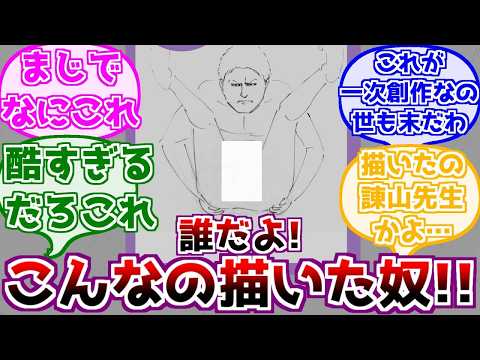
A YouTube video documenting fan reactions to Reiner Braun fan-created content has ignited significant discussion within the Attack on Titan community. The video catalogs the explosive growth of explicit and crude fan art depicting the character, the viral “Reiner Karuta” meme (a Japanese word-association game where fans created 50+ nicknames and phrases for the character), and controversy surrounding the Blu-ray release of the anime, which restored previously censored depictions of the character that had been modified for broadcast television.
Why It Matters
The Reiner phenomenon represents a critical moment in anime fandom culture. It demonstrates how internet communities can collectively transform a character into an object of mockery, the tension between fan expression and creator respect, and the role that production studios play in encouraging or enabling such behavior. The incident also raises questions about the ethics of fan communities and whether there are—or should be—boundaries to fan-created content. For long-time anime viewers, this represents a broader shift in how fandoms operate in the social media age.
Background
Reiner Braun is a supporting character in Attack on Titan who occupies a unique narrative position. Initially presented as a reliable, older-brother figure, his character undergoes a dramatic reversal when his true identity as an enemy infiltrator is revealed in Season 2. This complexity—combined with his internal psychological conflict and contradictory personality traits—has made him one of the most analyzed and, increasingly, most mocked characters in the series. Since the anime’s debut in 2013, Reiner has become the subject of relentless fan commentary, memes, and increasingly explicit fan-created content.
Key Points
- Explicit Fan Content Explosion: Fan-created sexual and crude depictions of Reiner proliferated online, prompting criticism from community members who argued that such content crossed ethical lines and disrespected the original creator.
- The “Reiner Karuta” Phenomenon: A viral word-association game emerged where fans created over 50 nicknames and catchphrases for Reiner, with some so extreme that even the original thread creator expressed discomfort with the trend’s intensity.
- Blu-ray Censorship Controversy: Depictions of Reiner that were censored in the broadcast version were restored in the Blu-ray release, sparking speculation that the original creator (Hajime Isayama) had specifically requested this change.
- Creator Intent Questions: The restoration of previously censored content led fans to debate whether the original creator was intentionally encouraging the sexualization of the character.
- Fandom Fragmentation: The community split into three distinct groups: those who criticized the content as disrespectful, those who embraced it unconditionally, and those who viewed it as harmless fandom entertainment.
Timeline
- 2013: Attack on Titan anime premieres; Reiner is introduced as a supporting character.
- 2016: Similar “character mockery” phenomena observed in other anime communities, such as with Aqua from Konosuba.
- 2020–2023: Reiner fan content intensifies, with the “Reiner Karuta” meme gaining viral momentum.
- Recent: Blu-ray release controversy emerges regarding censorship restoration; YouTube video documenting fan reactions circulates widely.
Perspectives
The Critic’s View: Some fans argue that the explicit fan content crosses ethical boundaries and disrespects both the character and the original creator. They contend that there should be limits to fan-created content and that the community has a responsibility to maintain certain standards of decorum.
The Permissive View: Other fans embrace fan-created content without restriction, arguing that fan expression is a fundamental right and that the original creator may even be encouraging such interpretations. This group interprets the Blu-ray restoration as evidence of creator approval.
The Neutral View: A third group views the Reiner phenomenon as harmless fandom entertainment and playful mockery. They see the “Reiner Karuta” and associated memes as evidence of the character’s cultural impact and the community’s creative engagement with the material.
Insights
The Reiner phenomenon reveals several important truths about modern anime fandom. First, it demonstrates how the “push culture” popularized by VTuber communities has intensified fan attachment to specific characters, making them targets for both affection and mockery. Second, it shows how social media has normalized “teasing” as a form of affection, blurring the line between love and ridicule. Third, it illustrates how supporting characters with psychological complexity are particularly vulnerable to this kind of treatment, as their narrative flexibility allows fans to project multiple interpretations onto them.
The Blu-ray censorship controversy is particularly revealing. The deliberate choice to restore previously censored content suggests that production studios are aware of and potentially encouraging fan engagement with sexualized interpretations of characters. This represents a shift in how the anime industry views the relationship between creators, studios, and fan communities.
Perhaps most significantly, the Reiner case demonstrates that fandoms are not monolithic entities but rather complex ecosystems where multiple value systems coexist. The emergence of distinct factions—critics, permissivists, and neutrals—suggests that the community has reached a “maturity stage” where internal disagreements about boundaries and ethics have become unavoidable. This fragmentation is both a sign of the community’s growth and a potential source of future conflict.
For viewers encountering Attack on Titan for the first time, understanding Reiner’s character requires engagement with the source material across all four seasons, with particular attention to Season 2’s revelation of his true identity. The character’s psychological complexity—his dual personality and internal conflict—is central to understanding why he has become such a focal point for fan creativity and mockery. Ultimately, the Reiner phenomenon serves as a case study in how internet communities negotiate the boundaries between creative expression, character respect, and the ethics of fan culture in the digital age.