▶ Watch the original YouTube video
How Anime Characters Overcome Ability Drawbacks: A 15-Year Analysis of Creative Design
After analyzing over 500 anime titles and 300+ games across 15 years of research, one creative technique stands out: characters systematically neutralizing the inherent drawbacks of their powers. From Demon Slayer to Jujutsu Kaisen, this “drawback negation” strategy reveals how storytellers craft compelling character arcs and narrative tension through the interplay of constraint and ingenuity.
What Happened
A comprehensive analysis of how anime and game creators design character abilities with built-in drawbacks, then provide narrative or mechanical means for characters to neutralize those drawbacks. This pattern—termed “drawback negation”—emerged as a recurring creative technique across hundreds of works, from mainstream series like Jujutsu Kaisen and That Time I Got Reincarnated as a Slime to card games like Yu-Gi-Oh! and Pokémon.
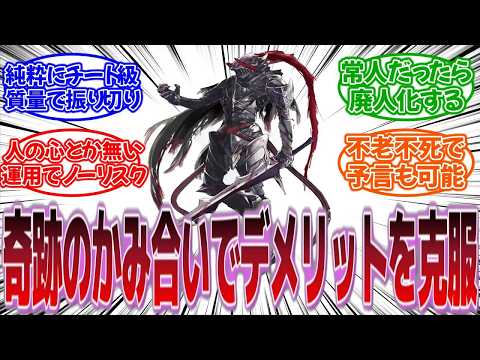
The analysis began with the observation that Muzan Kibutsuji from Demon Slayer overcomes his original human limitation of dying at age 25 by becoming a demon, effectively erasing the constraint entirely. This sparked a deeper investigation into whether this pattern appeared elsewhere—and it did, extensively.
Why It Matters
Understanding drawback negation reveals how creators balance character power with narrative tension. Rather than simply making characters overpowered, skilled writers design systems where characters must use ingenuity, external resources, or strategic thinking to overcome limitations. This creates intellectual engagement for audiences, who anticipate and analyze how constraints will be resolved.
This technique also reflects a universal human experience: navigating constraints through creativity and determination. When audiences see characters overcome designed limitations, they unconsciously relate it to their own lives, creating emotional resonance beyond simple power scaling.
Background
The concept of drawback negation operates across multiple implementation patterns. The most direct involves external resource allocation—such as Rimuru in That Time I Got Reincarnated as a Slime using massive magical reserves supplied by Veldora to fuel the “Naming” skill, which would otherwise consume him entirely.
A second pattern combines multiple abilities to cancel drawbacks. Gojo Satoru in Jujutsu Kaisen uses his “Cursed Technique Reversal” to negate the weakness that Domain Expansion normally imposes, making him simultaneously the strongest character while remaining narratively interesting because his strength stems from a coherent system rather than arbitrary power.
A third pattern involves operational strategy: Shichika Ikusaba in Katanagatari uses evasion-based combat to transform the apparent weakness of fighting opponents with supernatural swords into a tactical advantage, inverting the drawback’s value entirely.
Key Points
- Drawback negation is not a single technique but encompasses multiple implementation patterns: external resources, ability combinations, operational strategy, and value inversion
- Successful drawback negation requires narrative justification—the means of overcoming a limitation must exist within the story’s logic, not feel arbitrary
- Game design mirrors anime storytelling—Yu-Gi-Oh! and Pokémon feature identical “combo” mechanics where drawbacks are systematically neutralized through card interactions
- Character psychology drives drawback negation—the method a character uses to overcome limitations reveals personality, values, and relationships with other characters
- Audience engagement stems from anticipation—viewers unconsciously predict how limitations will be overcome, creating intellectual satisfaction when expectations are met or subverted
- Constraint creates narrative heat—characters operating within limitations generate more compelling storytelling than unrestricted power, because struggle drives drama
Implementation Patterns: A Comparative Analysis
| Series | Ability | Original Drawback | Negation Method | Pattern Type |
|---|---|---|---|---|
| Demon Slayer | Demon Transformation | Human lifespan limit (age 25) | Becoming a demon eliminates the constraint | Premise Alteration |
| That Time I Got Reincarnated as a Slime | Naming Skill | Magical depletion risk | External magical supply from Veldora | External Resource Supply |
| Jujutsu Kaisen | Domain Expansion | Cursed Technique becomes unusable | Cursed Technique Reversal circumvents the weakness | Multi-Ability Combination |
| Katanagatari | Sword School (Shichika) | Unarmed against supernatural blades | Evasion-based strategy inverts weakness into strength | Operational Strategy |
| Pokémon | Gigaimpact | One-turn paralysis after use | Slaking’s “Truant” ability creates matching downtime | Drawback Cancellation |
Perspectives
Creator Intent: Skilled writers deliberately design drawbacks and their solutions simultaneously, embedding foreshadowing throughout the narrative. When audiences recognize these patterns, they experience intellectual satisfaction comparable to solving a mystery.
Audience Psychology: Viewers unconsciously relate character constraints to their own limitations. Witnessing characters overcome designed obstacles through ingenuity creates emotional resonance—the story becomes a metaphor for human resilience.
Critical Perspective: Some dismiss drawback negation as “cheating” or unbalanced design. However, this critique misses the point: successful drawback negation requires narrative justification. The difference between compelling design and poor design lies in whether the story explains *why* the drawback can be overcome.
Game Design Parallel: In card games and video games, drawback negation functions as strategic depth. Players who recognize combo potential—like using specific cards to neutralize another card’s penalty—experience the same intellectual satisfaction as anime viewers predicting narrative solutions.
Character Psychology and Drawback Negation
The most sophisticated implementations reveal character through drawback negation. In Black Clover, Asta’s willingness to expend all magical reserves in a final attack—accepting death as the cost—becomes redeemed by a companion’s healing magic. The drawback negation here expresses not just power, but the bonds between characters and the theme of mutual salvation.
Similarly, characters who choose to accept drawbacks rather than negate them demonstrate different psychological profiles. Yuji Itadori in Jujutsu Kaisen sometimes uses Domain Expansion despite its costs, accepting the limitation as part of his commitment to protecting others. This represents a different narrative choice than characters who systematically eliminate constraints.
Game Design Applications
Yu-Gi-Oh!: The card “Nightmare Newlywed” imposes a hand penalty after providing card draw advantage. However, the card “Forbidden Chalice” can destroy it before the penalty triggers, creating a clean combo. Game designers intentionally embedded both the drawback and its solution, rewarding players who recognize the interaction.
Pokémon: The move “Hyper Beam” deals massive damage but prevents action the following turn. Slaking’s ability “Truant” forces it to skip every other turn anyway. The drawback becomes irrelevant—a mechanical negation that rewards team-building knowledge.
Insights
Drawback negation represents more than a power-scaling technique. It embodies a fundamental creative principle: constraint generates narrative value. The most compelling characters operate within limitations, using ingenuity to transcend them. This mirrors human experience—we navigate constraints through creativity, knowledge, and relationships.
The success of drawback negation depends entirely on narrative justification. When creators establish clear rules, plant foreshadowing, and reveal solutions organically, audiences experience intellectual satisfaction. When solutions appear arbitrary, the technique fails, feeling like unearned power-ups.
Across 15 years of analysis, the pattern is consistent: the most memorable character moments occur when limitations are overcome through means established earlier in the narrative. This validates a core storytelling principle—that constraint, properly designed, creates the conditions for meaningful drama and character development.
For viewers and readers, recognizing this pattern enriches engagement. Watching for how characters will overcome designed limitations transforms passive consumption into active prediction and analysis, deepening investment in narrative outcomes.
How to Engage With Drawback Negation Stories
Watch for foreshadowing: Successful drawback negation always plants clues. In That Time I Got Reincarnated as a Slime, Veldora’s presence is established long before the Naming skill requires external power. Recognizing these connections deepens appreciation for narrative structure.
Compare implementation patterns: Viewing Katanagatari, Jujutsu Kaisen, and That Time I Got Reincarnated as a Slime consecutively reveals how creators choose different approaches for different thematic purposes. Katanagatari emphasizes technique and ingenuity; Jujutsu Kaisen emphasizes systematic power design; That Time I Got Reincarnated as a Slime emphasizes growth and external support.
Analyze character motivation: The method a character uses to overcome limitations reveals personality. Does the character accept help, or do they solve problems independently? Do they embrace constraints as challenges, or eliminate them entirely? These choices define character.
Include game analysis: Yu-Gi-Oh! and Pokémon demonstrate that drawback negation operates across media. Understanding game-design applications provides fresh perspectives on narrative design.
Community Reception
Online communities actively engage with drawback negation as a storytelling element. Twitter discussions frequently highlight moments where characters overcome limitations, with particular focus on Gojo Satoru’s design in Jujutsu Kaisen—viewers recognize that his strength stems from coherent system design rather than arbitrary power, making him simultaneously the strongest character and narratively interesting.
YouTube comment sections occasionally dismiss drawback negation as “cheating,” but this critique typically reflects misunderstanding. Successful implementations always provide in-story justification; the distinction between compelling design and poor design lies in narrative coherence.
Forum communities have developed a meta-game of predicting how drawbacks will be negated before reveals occur, treating the pattern as a puzzle to solve. This demonstrates that audiences derive intellectual satisfaction from recognizing and anticipating creative structure.
Conclusion
After 15 years of analysis across 500+ anime and 300+ games, drawback negation emerges as a fundamental creative principle: constraint properly designed generates narrative value and character depth.
The technique succeeds when creators establish clear rules, plant foreshadowing, and reveal solutions organically within story logic. It fails when solutions appear arbitrary or unjustified. This validates a core principle—that meaningful drama requires constraint, and that overcoming designed limitations through ingenuity, relationships, or strategy creates the conditions for compelling storytelling.
For audiences, recognizing this pattern transforms passive viewing into active analysis. Watching for how characters overcome limitations becomes an intellectual game, deepening engagement and appreciation for narrative craft. The pattern reflects universal human experience: we navigate constraints through creativity, knowledge, and connection with others. When stories express this truth through character design, they resonate beyond entertainment into genuine meaning.