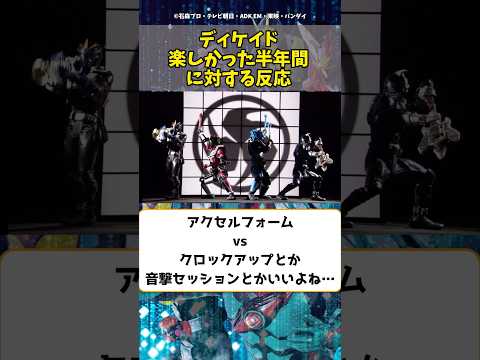
▶ Watch the original YouTube video
Kamen Rider Decade Rend has emerged as a critical success by delivering exactly what fans wanted to see: weekly appearances of different Riders, unexpected character interactions, and matchups that existed only in fan imagination. Over six months of viewing, the series demonstrated how understanding audience desire and executing it with high production quality creates compelling entertainment in the modern streaming era.
What Happened
Kamen Rider Decade Rend, which aired in 2023, became a standout success in the tokusatsu (special effects) genre by adopting a straightforward formula: each episode introduced a different Rider character, featured new enemy encounters, and showcased fresh character interactions. The series ran for two seasons (2 cours) before concluding, leaving audiences with a sense of “what if it had continued?” rather than fatigue from extended storytelling.
The series brought back original cast members from the Heisei Rider era while introducing new transformation designs and narrative elements. This approach balanced nostalgia with innovation, creating a viewing experience that felt both familiar and surprising week after week.
Why It Matters
Decade Rend represents a significant shift in how modern entertainment addresses fan communities. Rather than pursuing unexpected creative directions, the production team directly translated fan desires into content—a strategy that reflects broader industry trends toward audience-centric storytelling. The series’ success demonstrates that understanding and fulfilling audience expectations, when executed with quality production values, can create critically acclaimed work rather than dismissible fan service.
The show’s approach also reveals how streaming platforms and social media have changed creator-audience relationships. Fan voices on Twitter and online forums directly influenced which Riders appeared and how they interacted, making the audience feel heard and invested in the creative process.
Background
Kamen Rider Decade originally aired in 2009 as a controversial entry in the Heisei Rider series, receiving mixed critical and fan reception. By 2023, the franchise had undergone significant reevaluation, with older series gaining new appreciation from both longtime fans and younger audiences discovering them through streaming platforms.
The tokusatsu industry, particularly the Kamen Rider and Ultraman franchises, has increasingly focused on satisfying existing fan bases rather than pursuing radical creative departures. This reflects industry-wide recognition that dedicated fan communities represent valuable, engaged audiences worth catering to directly.
The production faced inherent constraints: using original cast members from previous series required careful handling to avoid overshadowing new characters. Rather than limiting creativity, these constraints became sources of innovation, leading to new transformation designs and narrative mechanics like the “Sound Attack Session” sequences.
Key Points
- Direct fan fulfillment as core concept: Decade Rend materialized fan fantasies—matchups like Accel Form versus Clock Up—that existed only in online discussions and fan imagination.
- Weekly novelty through format: The episodic structure of introducing new Riders each week maintained freshness and prevented narrative fatigue or formula staleness.
- Constraints as creative catalyst: The requirement to respect original cast members and character identities forced the production team toward innovative solutions rather than simple recasting.
- Strategic brevity: Concluding after two seasons prevented the format from exhausting its premise, leaving audiences wanting more rather than relieved it ended.
- Character interaction innovation: Scenes like Sound Attack Sessions created unexpected character dynamics unavailable in original source material.
- Design evolution as narrative: New transformation designs represented character growth rather than mere aesthetic updates, maintaining character identity while showing progression.
Timeline
- 2009: Original Kamen Rider Decade airs to mixed reception, establishing the controversial legacy the 2023 series would revisit.
- 2009-2023: Heisei Rider series undergo gradual reevaluation and critical reassessment as streaming platforms make them accessible to new audiences.
- Autumn 2023: Kamen Rider Decade Rend begins airing, immediately generating positive fan response and social media engagement.
- 2023-2024: Series runs for two seasons, maintaining consistent audience engagement through weekly Rider introductions.
- Early 2024: Series concludes after two seasons, sparking “what if it continued?” discussions in fan communities.
Perspectives
Fan Community Response: Online communities across Twitter, 5channel, and YouTube expressed overwhelming positivity. Fans appreciated the weekly surprises, the fulfillment of long-standing “what if” scenarios, and the sense that production staff actively listened to audience desires. The consistent refrain was gratitude that creators understood what fans wanted to see.
Production Philosophy: The series demonstrates a deliberate choice to prioritize audience satisfaction within quality constraints. Rather than viewing fan service as creatively limiting, the production team treated it as a framework for innovation. Original cast requirements, for instance, led to new narrative mechanics and transformation designs that enriched rather than diminished the storytelling.
Industry Trend Analysis: Decade Rend exemplifies a broader shift in entertainment toward direct audience engagement. Streaming platforms, social media visibility of fan discourse, and easier access to creator feedback have made “giving audiences what they want” a viable and respected creative strategy, distinct from earlier eras when such approaches were dismissed as creatively bankrupt.
Comparative Context: Unlike previous attempts to revive classic series (Ultraman Z, Kamen Rider Saber), Decade Rend successfully navigated the challenge of honoring original cast while introducing new elements. This suggests a maturing industry understanding of how to balance nostalgia with innovation.
Insights
Kamen Rider Decade Rend reveals that modern entertainment success increasingly depends on understanding and executing audience desire with high production values. The series proves that “fan service” and artistic quality are not mutually exclusive—in fact, the most compelling contemporary entertainment often emerges from the intersection of the two.
The show’s two-season length was strategically optimal. Extended beyond this point, the format would likely have suffered from premise exhaustion and repetition fatigue. By concluding while the concept remained fresh, the production team created lasting appreciation rather than viewer burnout. This suggests that future franchise revivals should prioritize narrative completion over maximum episode count.
The series demonstrates how social media and streaming platforms have fundamentally altered creator-audience relationships. Fan voices on Twitter directly influenced content decisions, making audiences feel like creative collaborators rather than passive consumers. This participatory model, when managed thoughtfully, generates stronger engagement and loyalty than traditional top-down creative approaches.
Decade Rend’s success also indicates that the tokusatsu industry has matured in its understanding of fan communities. Rather than viewing dedicated fans as niche audiences to be tolerated, modern productions recognize them as valuable creative partners whose desires, when fulfilled with quality execution, generate critical acclaim and sustained engagement.
The broader implication extends beyond tokusatsu: as streaming platforms democratize content distribution and social media amplifies fan voices, entertainment industries across genres face a choice between dismissing audience preferences or engaging them creatively. Decade Rend demonstrates that the latter approach, properly executed, produces superior results.