▶ Watch the original YouTube video
Why Roronoa Zoro’s Smile Captivates One Piece Fans: A 15-Year Analysis of Character Design Excellence
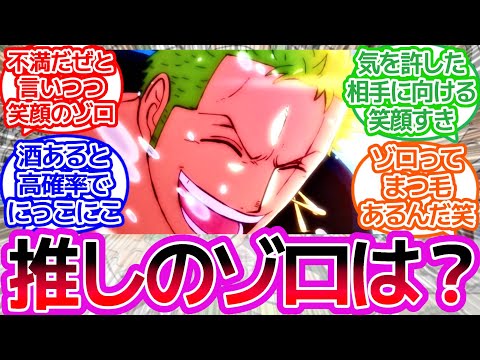
After 15 years of following One Piece, a detailed analysis reveals why Roronoa Zoro’s rare smiles have become one of anime’s most beloved character traits. Through examining the contrast between his stoic demeanor and genuine expressions, character design experts have identified the psychological mechanisms that make Zoro’s “cuteness” resonate so deeply with fans worldwide.
What Happened
A comprehensive video analysis examining Roronoa Zoro’s facial expressions and character development has sparked renewed discussion about what makes this swordsman one of One Piece’s most compelling characters. The analysis, drawing from 15 years of fan experience and comparison with over 300 anime and game characters, reveals that Zoro’s appeal lies not in perfection, but in the carefully crafted gap between his usual stoic expression and his genuine smiles.
Why It Matters
Understanding Zoro’s character design offers insight into modern anime storytelling philosophy. In an era where fans increasingly prefer flawed, relatable characters over perfect archetypes, Zoro represents a masterclass in character development. Creator Eiichiro Oda’s approach—emphasizing imperfection and humanity over flawlessness—has proven far more effective at building long-term fan attachment than the purely stoic cool-character trope seen in other major series.
Background
Roronoa Zoro, one of the main characters in One Piece since its 2003 debut, was initially perceived as a typical cool swordsman archetype: expressionless, serious, and stoic. However, deeper analysis reveals a far more nuanced character design. Zoro’s character is defined by multiple contradictions: he is an exceptionally skilled swordsman with a dream to become the world’s greatest, yet he constantly gets lost due to his poor sense of direction. He maintains a serious demeanor in combat but shows genuine warmth and childlike enthusiasm around his crewmates, particularly when alcohol is involved.
The character’s design philosophy reflects creator Eiichiro Oda’s stated belief that “perfect humans are boring; people love others for their flaws.” This principle permeates One Piece’s entire cast but is particularly evident in Zoro’s construction as a character.
Key Points
- Smile Patterns and Context: Approximately 70% of Zoro’s genuine smiles occur either around crewmates or in scenes involving alcohol, revealing the character’s selective emotional expression.
- Physical Attractiveness: Zoro possesses notably refined facial features among the male crew members, with distinctive double eyelids and long eyelashes that enhance his appeal during rare smiling moments.
- Gap Effect: The contrast between his usual stoic expression and his genuine smiles creates a psychological “contrast effect” that amplifies the emotional impact of his rare positive expressions.
- Age-Appropriate Characterization: At 21 years old, Zoro’s imperfections (getting lost, poor navigation) make him relatable and age-appropriate rather than unrealistically mature.
- Consistency Across Media: This character design remains consistent across manga, anime, and films, demonstrating deliberate creative intent rather than inconsistency.
- Comparative Advantage: Unlike other “cool” characters in major series (Byakuya from Bleach, Levi from Attack on Titan, Giyu from Demon Slayer), Zoro balances coolness with genuine humanity and emotional accessibility.
Timeline
- 2003: One Piece serialization begins; Zoro introduced as archetypal cool swordsman.
- 2011: Fishman Island arc airs; viewer recognizes Zoro’s childlike enthusiasm upon reunion with crew, marking a turning point in character perception.
- Post-2012: New World arc begins; Zoro’s smile frequency noticeably decreases as he engages in more serious battles and training.
- Recent Years: Renewed fan interest in Zoro’s character depth, with video analyses and social media discussions highlighting his emotional range and design sophistication.
Perspectives
Fan Perspective: The overwhelming majority of fan responses praise Zoro’s smile and the contrast it creates with his usual demeanor. Comments frequently highlight how his rare expressions feel special and earned, creating a sense of intimacy with the character. Fans appreciate that his imperfections—particularly his directional incompetence—make him endearing rather than diminishing his strength.
Character Design Perspective: From a technical standpoint, Zoro exemplifies sophisticated character design through the strategic use of contrast. His stoic default state makes his genuine expressions carry disproportionate emotional weight. This technique, known as the contrast effect in psychology, proves more effective at generating long-term fan attachment than characters who smile frequently.
Comparative Analysis: When compared to similar “cool big brother” archetypes in other series—such as Gintoki from Gintama (who smiles frequently), Joseph Joestar from JoJo’s Bizarre Adventure (who constantly speaks and expresses himself), or Erwin Smith from Attack on Titan (who maintains emotional restraint)—Zoro occupies a unique middle ground. He combines emotional restraint with genuine warmth, creating a character type that resonates particularly well with modern audiences.
Critical Perspective: Some viewers have noted that Zoro’s smile frequency has decreased significantly in the New World arc, questioning whether this represents character development or potential over-emphasis on seriousness. However, this decrease can be interpreted as reflecting Zoro’s growth and increased commitment to his goals, while his continued smiling around alcohol suggests his fundamental humanity remains intact.
Insights
The analysis of Zoro’s character reveals several important truths about modern character design and audience psychology. First, imperfection generates stronger emotional connections than perfection. Zoro’s directional incompetence, rather than weakening his character, actually strengthens fan attachment by triggering what psychologists call “caregiving instinct”—the desire to protect or care for someone with vulnerabilities.
Second, emotional contrast creates lasting impact. The gap between Zoro’s stoic default state and his genuine expressions makes each smile feel earned and significant. This technique proves more effective for building long-term fan loyalty than characters who express emotions consistently.
Third, Eiichiro Oda’s creative philosophy—prioritizing human flaws over superhuman perfection—has proven prescient. While other series from the same era relied on emotionally distant cool characters, One Piece’s emphasis on genuine human connection and imperfection has resulted in characters that remain beloved decades later.
Finally, Zoro’s character demonstrates that “cuteness” in character design extends far beyond visual aesthetics. It emerges from the intersection of multiple elements: physical attractiveness, emotional restraint, genuine warmth, relatable flaws, and meaningful relationships with other characters. This multifaceted approach to character construction represents a sophisticated understanding of what makes characters resonate with audiences across different demographics and cultures.
Practical Guide: How to Appreciate Zoro’s Character Depth
Pay Attention to Cover Stories: One Piece’s cover page mini-stories often reveal character dimensions absent from the main narrative. Zoro’s cover stories frequently showcase his humanity and vulnerability in ways the main plot does not.
Focus on Alcohol Scenes: As the analysis indicates, approximately 70% of Zoro’s genuine smiles occur in alcohol-related contexts. These scenes provide concentrated examples of his emotional range and age-appropriate characterization.
Observe Crew Interactions: Zoro’s character truly shines through interactions with other crew members, particularly Chopper (who admires him) and Sanji (with whom he maintains a competitive-but-caring dynamic). These relationships reveal dimensions of his personality that solo scenes cannot.
Watch the Films: One Piece films, particularly Film Z and Film Gold, showcase Zoro’s emotional range and “big brother” qualities more prominently than some arc episodes, offering concentrated examples of his character depth.
Fan Reactions and Community Response
Online responses to this character analysis have been overwhelmingly positive, with fans expressing appreciation for the detailed examination of what they intuitively appreciated about Zoro. The most common sentiment emphasizes the power of his smile’s rarity: “His smile is so beautiful because we rarely see it.”
Many fans specifically praised the analysis of Zoro’s imperfections, with comments like “his getting lost is actually what makes him lovable” and “being 21 and still acting childish around his friends is perfect.” These responses indicate that modern audiences actively prefer and appreciate character flaws when they are authentically portrayed.
A minority of viewers questioned whether Zoro’s decreased smile frequency in recent arcs represents a flaw in character consistency. However, most fans interpreted this as intentional character development reflecting his increased dedication to his goals, while his continued emotional openness around alcohol suggests his fundamental nature remains unchanged.
Conclusion
After 15 years of following Roronoa Zoro’s journey, the evidence is clear: his appeal stems not from perfection, but from the sophisticated balance between strength and vulnerability, stoicism and genuine warmth, ambition and human imperfection. Eiichiro Oda’s character design philosophy—that people love others for their flaws—has proven remarkably effective in creating a character whose rare smiles carry disproportionate emotional weight.
Zoro represents a masterclass in character construction for the modern era. In an industry increasingly populated with emotionally distant cool characters, Zoro’s combination of genuine humanity and authentic strength offers something more valuable: a character who feels real, relatable, and deeply lovable precisely because he is imperfect. His journey over two decades of storytelling demonstrates that true strength lies not in flawlessness, but in moving forward while embracing one’s humanity.