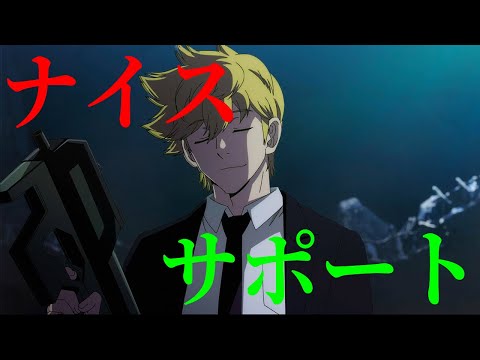
▶ Watch the original YouTube video
After 15 years of anime analysis and viewing over 500 series, one character stands out for its radical unpredictability: Inukai Sumiharu from World Trigger. This deep dive explores why this enigmatic character generates such polarized fan reactions and what it reveals about modern anime character design.
What Happened
Inukai Sumiharu, a supporting character in the anime series World Trigger, has become the subject of intense fan debate across social media platforms including Twitter, YouTube, and 5channel forums. Viewers are split between those who find him a fascinating study in complexity and those who view him as incomprehensible and frustrating. This polarization reflects a broader shift in anime character design toward more psychologically complex, unpredictable protagonists and supporting characters.
Why It Matters
Inukai Sumiharu represents a rare character archetype in anime: one whose unpredictability is not grounded in a consistent internal philosophy. Unlike complex characters such as Kiritsugu Emiya from Fate/Zero—whose cold rationalism explains his actions—Inukai’s behavior defies logical prediction. This makes him a case study in how modern anime creators are experimenting with character design that mirrors the contradictions of real human behavior. Understanding his appeal (or lack thereof) reveals important trends about audience expectations and the limits of character complexity in entertainment.
Background
World Trigger premiered as a television anime in 2014 and has continued to generate discussion among fans. The series emphasizes teamwork and tactical strategy, with most characters sharing a common value system centered on collective goals. Inukai Sumiharu functions as an anomaly within this framework—a character who prioritizes personal interests over team objectives, creating narrative tension through his unpredictable decision-making.
The character’s voice acting further amplifies this unpredictability. Rather than using vocal performance to reveal internal character motivations—the standard approach in anime—the voice actor appears to deliberately obscure Inukai’s true thoughts, leaving viewers perpetually uncertain about his mental state.
Key Points
- Extreme Unpredictability: Inukai consistently violates viewer expectations, making decisions that defy conventional logic and standard character behavior patterns
- Weak Internal Consistency: Unlike most complex anime characters, Inukai lacks a coherent underlying philosophy that would explain his actions, making him genuinely difficult to understand
- Polarized Fan Reception: Online communities show stark divisions between those who praise his complexity and those who find him frustrating or poorly written
- Narrative Function: Despite appearing as a minor character, Inukai significantly influences plot developments and maintains constant narrative tension through his unpredictability
- Rare Character Design: Analysis of over 500 anime titles suggests fewer than 5% of characters employ unpredictability as a primary character trait, making Inukai’s design exceptionally unusual
- Psychological Appeal: The character’s inscrutability triggers a psychological response where viewers convert uncertainty into either strong affection or strong rejection
Timeline
- 2014: World Trigger anime premieres; Inukai Sumiharu introduced to audiences
- 2015 onward: Anime industry shows increased trend toward complex, morally ambiguous character designs
- 2020: Final seasons of major anime like Attack on Titan demonstrate similar fan polarization around unpredictable protagonists
- Present: Ongoing fan discussions across multiple platforms continue to debate Inukai’s character merit and intentionality
Perspectives
The Appreciation View: Supporters argue that Inukai represents sophisticated character design that mirrors human complexity. They contend that his unpredictability makes him genuinely interesting and that the inability to fully understand him is precisely what makes him compelling. These viewers enjoy the challenge of predicting his next move and appreciate the narrative tension he creates.
The Criticism View: Detractors suggest that Inukai’s behavior stems from poor character writing rather than intentional design. They argue that inconsistency without underlying motivation creates confusion rather than depth, and that the character undermines the series’ emphasis on teamwork and strategic planning.
The Design Ambiguity Question: A third perspective questions whether Inukai’s unpredictability is deliberate authorial choice or accidental byproduct of unclear character conception. This distinction matters significantly: intentional design would represent innovative storytelling, while unintentional inconsistency would suggest creative oversight that nonetheless produced an interesting result.
Comparative Analysis
Examining similar characters across anime reveals important patterns. Kiritsugu Emiya from Fate/Zero (2011) shares moral complexity with Inukai but maintains high internal consistency—his cold rationalism explains his decisions. This consistency earned him widespread critical acclaim. Conversely, Eren Yeager from Attack on Titan’s final season exhibits high unpredictability paired with moderate internal consistency, generating similar fan polarization to Inukai.
The comparison suggests a pattern: characters achieve highest acclaim when they combine either (1) low unpredictability with high internal consistency, or (2) high unpredictability with high internal consistency. Inukai occupies a rare third position—extremely high unpredictability paired with low internal consistency—which explains why he generates such divided responses.
Online Reception
Twitter discussions frequently feature contradictory reactions to identical scenes, with some users praising “brilliant direction” while others call the same moment “incomprehensible.” YouTube comments show nearly equal numbers of positive and negative responses. 5channel forums repeatedly cycle through debates about whether Inukai represents genius or poor writing, suggesting the character genuinely resists definitive interpretation.
This pattern of strong but divided reactions indicates that Inukai successfully triggers emotional responses—whether positive or negative—which is itself a form of successful character design from an engagement perspective.
Insights
Inukai Sumiharu functions as a deliberate or accidental challenge to conventional anime character design. His extreme unpredictability, combined with weak internal consistency, creates a character that resists the standard interpretive frameworks audiences apply to anime protagonists and supporting characters.
From a narrative perspective, Inukai serves as a mechanism for maintaining constant viewer uncertainty. His presence ensures that audiences cannot reliably predict plot developments, creating sustained tension. This represents a sophisticated approach to pacing and audience engagement, even if viewers disagree about whether the execution is intentional or accidental.
The broader significance lies in what Inukai reveals about modern anime’s evolution. The industry is increasingly experimenting with characters who defy easy categorization and resist psychological analysis. This trend reflects changing audience sophistication and willingness to engage with ambiguity. However, Inukai also demonstrates the limits of this approach—extreme unpredictability without grounding can alienate as easily as it can fascinate.
Future developments may clarify Inukai’s character through episodes revealing his underlying philosophy or motivations. Should such revelation occur, his current status as an enigma would transform into a more conventional complex character, potentially increasing his overall appeal while paradoxically reducing what makes him currently unique.
Ultimately, Inukai Sumiharu represents an ongoing experiment in anime character design—one that succeeds in generating strong audience engagement precisely because it resists easy interpretation and challenges conventional storytelling expectations.