▶ Watch the original YouTube video
Is the ‘Clouding’ Plot Device Really Necessary? Fan Reactions to Kamen Rider Valen’s Kizuki Kizuto Analyzed
After 15 years of following the Kamen Rider franchise, one fan examines whether the “clouding” narrative device—where beloved characters face temporary or permanent misfortune—serves genuine character development or merely inflicts suffering. Through analysis of Kizuki Kizuto’s arc in Kamen Rider Valen and comparison with similar characters across the franchise, this deep dive explores how fan communities are debating the necessity and execution of this storytelling technique.
What Happened
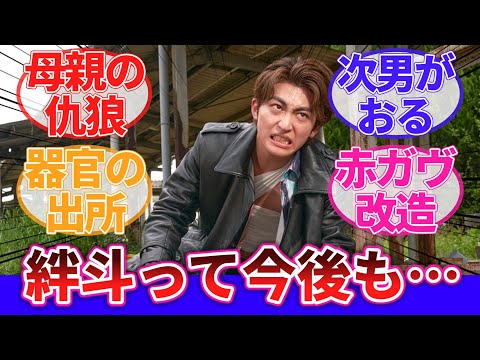
Kamen Rider Valen’s character Kizuki Kizuto has become the subject of intense online debate regarding the “clouding” plot device—a narrative technique where protagonists face periods of hardship and despair. Fans across social media platforms are divided on whether these difficulties represent necessary catalysts for character growth or simply gratuitous suffering imposed on beloved characters. The discussion reflects broader questions about storytelling intent and audience expectations in the long-running Kamen Rider franchise.
Why It Matters
This debate reveals how modern anime and tokusatsu audiences have evolved in their media literacy. Rather than simply rejecting sad moments, viewers now demand narrative justification—asking whether hardship serves organic character development or exists merely for emotional manipulation. Understanding this distinction matters because it reflects how creators and audiences negotiate the purpose of adversity in storytelling. For the Kamen Rider franchise specifically, which has built its reputation on character-driven narratives, this conversation directly impacts how future story arcs will be received and evaluated.
Background
The “clouding” (曇らせ) phenomenon emerged as a recognized narrative trope in anime and tokusatsu communities around 2009, particularly during the broadcast of Kamen Rider Decade. Over the past 15 years, the franchise has increasingly employed complex psychological character development, moving beyond simple tragedy toward more nuanced explorations of how adversity shapes identity and resolve.
The term describes moments when characters audiences support face temporary or permanent misfortune. However, the definition encompasses multiple layers and intensities. Historical examples include Takeru from Kamen Rider Ghost, who faced repeated desperate situations, and Ryugo from Kamen Rider Build, whose memory loss created existential crisis. The quality of these moments—whether they feel necessary or arbitrary—has become a key metric for evaluating storytelling success.
Kizuki Kizuto’s initial characterization as a bright, forward-thinking character creates a stark contrast with his subsequent trials, prompting fans to question whether this contrast serves meaningful narrative purposes or represents inconsistent character writing.
Key Points
- Fan reactions to Kizuki Kizuto’s hardships split between those viewing them as necessary growth catalysts and those seeing them as unmotivated suffering
- The Kamen Rider franchise has historically used adversity as a tool for revealing characters’ true strength, particularly in works like Kamen Rider Gaim and Kamen Rider Build
- Modern audiences increasingly demand narrative justification for character suffering, reflecting evolved media literacy and higher storytelling standards
- The distinction between “good clouding” (rooted in character contradictions and leading to growth) and “bad clouding” (arbitrary and disconnected from development) has become central to fan discourse
- Current uncertainty about Kizuki Kizuto’s arc reflects viewer hesitation to judge ongoing narratives, with final evaluation pending story completion
- The gap between creator intent and audience expectation reveals how trust in a production’s narrative vision directly impacts reception of difficult story moments
Timeline
- 2009: Kamen Rider Decade airs; “clouding” emerges as recognized narrative phenomenon in fan discourse
- 2015: Kamen Rider Ghost broadcast; protagonist Takeru’s repeated hardships spark debate about necessity of adversity
- 2018–2020: Social media criticism of “clouding” peaks; SNS posts frequently frame character suffering negatively
- 2021–Present: Fan evaluation becomes more nuanced; audiences increasingly demand narrative justification rather than reflexively rejecting hardship
- Current: Kamen Rider Valen’s Kizuki Kizuto arc generates active online analysis regarding whether his trials serve character development
Perspectives
Supportive Interpretation: Many fans argue that Kizuki Kizuto’s trials are essential to his character arc, viewing them as necessary processes for revealing his true strength. This perspective aligns with the franchise’s historical pattern where protagonists like Kouta Kazuraba (Gaim) and Sento Kiryu (Build) emerged stronger after facing adversity directly connected to their core contradictions and weaknesses.
Critical Interpretation: Other viewers express concern that the character is simply being subjected to misfortune without sufficient narrative payoff. This perspective questions whether the hardships will ultimately connect to meaningful character growth or remain emotionally manipulative moments disconnected from genuine development.
Analytical Interpretation: The most sophisticated fan responses acknowledge the story’s ongoing status, withholding final judgment while carefully monitoring whether the narrative delivers on its apparent promises. These viewers recognize that evaluation requires completion of the arc and demonstrate mature understanding that current suffering may prove justified by future developments.
Insights
The Kizuki Kizuto debate illustrates a fundamental shift in how audiences evaluate narrative adversity. Rather than accepting hardship as inherently valuable or rejecting it as inherently harmful, modern viewers demand that suffering serve organic narrative functions. This represents genuine progress in media literacy—audiences now understand that quality storytelling requires adversity to emerge from character contradictions and lead to meaningful growth.
The distinction between “good clouding” and “bad clouding” proves particularly illuminating. Good clouding directly connects to a character’s internal contradictions, leads inevitably to growth, occupies meaningful narrative space, and generates viewer responses of “this is painful but understandable.” Bad clouding exists primarily to create suffering, disconnects from subsequent development, appears arbitrary within narrative flow, and leaves viewers confused about narrative purpose.
For the Kamen Rider franchise, this conversation reflects both audience maturation and production evolution. Creators increasingly craft adversity that reveals character essence rather than simply inflicting pain. Simultaneously, audiences have developed frameworks for distinguishing between narratively justified hardship and emotional manipulation.
The uncertainty surrounding Kizuki Kizuto’s arc ultimately reflects something positive: fan investment in the character and the story’s narrative integrity. The debate continues not because audiences reject his suffering, but because they demand that suffering mean something. This represents the franchise’s audience holding creators accountable to the high standards the series has historically established.