▶ Watch the original YouTube video
Mysterious Fate/Grand Order PV Sparks Community Confusion as Orga Marie Faces Undeserved Backlash
A cryptic promotional video for Fate/Grand Order left the player community bewildered, triggering widespread speculation that inadvertently targeted the character Orga Marie with unfounded criticism. An analysis of 15 years of Fate fandom reveals how the game’s “speculation culture” transformed baseless theories into perceived fact, demonstrating the double-edged nature of engaged fan communities.
- What Happened
- Why It Matters
- Background
- Key Points
- The Mechanics of Misinformation in Fan Communities
- The Role of “Speculation Culture” in Gaming Communities
- Official Communication and Community Responsibility
- Reconsidering Orga Marie’s Character
- Broader Implications for Gaming Communities
- Insights and Lessons
What Happened
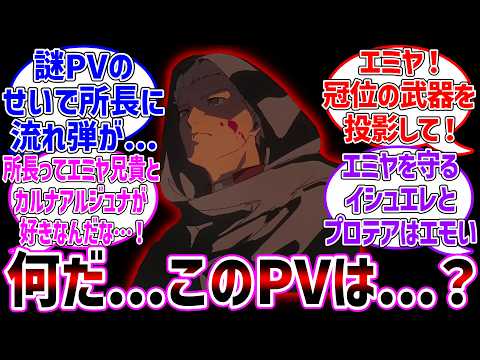
Fate/Grand Order’s official channels released a mysterious promotional video depicting the player character (Master) in a state of confusion, with no clear explanation of its purpose or content. The vague nature of the PV—lacking any obvious connection to new character releases, events, or story developments—prompted widespread speculation across Twitter, YouTube, Reddit, and other fan platforms. Within days, the community had collectively theorized that the video might be related to Orga Marie, a supporting character from the game’s early story chapters, despite no official confirmation of this connection.
What began as lighthearted speculation evolved into running jokes and increasingly confident assertions that Orga Marie would be featured in upcoming content. The character, who had already faced criticism from some players for her role as an antagonistic superior officer in the narrative, became the unintended target of mockery and negative commentary. By the time official clarification emerged, the misconception had spread extensively through the community, leaving Orga Marie with what fans termed “reputational damage” despite her complete lack of involvement with the mysterious PV.
Why It Matters
This incident illustrates a critical phenomenon in modern gaming communities: how speculation, humor, and social media amplification can transform unverified theories into perceived consensus. The Orga Marie situation demonstrates the potential consequences of this dynamic, particularly when misinformation targets fictional characters who lack the ability to defend themselves. More broadly, the event raises questions about the responsibility of both official publishers and fan communities in managing information accuracy.
For FGO’s massive global player base, this serves as a case study in how ambiguous official communications can inadvertently create confusion and unintended consequences. It also highlights the tension between fostering creative fan engagement and preventing the spread of misinformation—a balance that modern gaming communities continue to struggle with.
Background
Fate/Grand Order, which launched in 2016, has cultivated one of gaming’s most active and engaged fan communities. The game’s narrative draws from the broader Fate franchise, which includes works like Fate/stay night, Fate/Zero, and Fate/Apocrypha. Over its eight-year lifespan, FGO has established a pattern of relatively transparent communication regarding new content, typically announcing character releases, events, and story updates with substantial advance notice and detailed information.
Orga Marie is a character introduced early in FGO’s main story, serving as the Vice-Director of Chaldea, the player’s home base. In her initial appearances, she is portrayed as a stern, often unsympathetic authority figure who frequently criticizes the player’s actions. However, as the narrative progresses, her character develops greater complexity, revealing sympathetic motivations and a more nuanced role within the story. Despite this character development, some segments of the player base retained negative first impressions from her early appearances.
The mysterious PV represented an unusual departure from FGO’s standard communication practices. Rather than providing clear information about upcoming content, it deliberately obscured its purpose—a tactic reminiscent of mystery-building techniques used in earlier Fate works like Fate/stay night and Fate/Zero, but relatively uncommon in FGO’s more straightforward promotional approach.
Key Points
- A cryptic FGO promotional video depicting a confused Master generated widespread player speculation due to its deliberately ambiguous content and purpose.
- Community members theorized that the video referenced Orga Marie, despite no official indication of such a connection.
- Initial speculation evolved into jokes and increasingly confident assertions, which spread rapidly across social media platforms.
- Orga Marie, who had no actual involvement with the PV, became the target of mockery and negative commentary—a phenomenon fans termed “reputational damage.”
- The incident reflects FGO’s unique “speculation culture,” where fan theories and creative interpretation are valued but can lead to information distortion.
- Official silence on the matter allowed misconceptions to persist and strengthen within the community.
The Mechanics of Misinformation in Fan Communities
The transformation of speculation into perceived fact followed a predictable pattern. On Twitter, initial reactions expressed genuine confusion: “What is this mysterious PV?” and “Why is the Master confused?” These straightforward questions represented authentic fan responses to ambiguous official communication.
As discussions expanded, joking theories emerged: “Is Orga Marie making a comeback?” and “Is Orga Marie plotting something new?” At this stage, the speculation remained clearly framed as humor and conjecture. However, as these posts were shared, retweeted, and referenced across platforms, the distinction between “joke” and “theory” began to blur.
YouTube comment sections featured more detailed analysis, with some viewers claiming to identify visual elements in the PV that supposedly hinted at Orga Marie’s involvement. While these analyses lacked substantive evidence, their presentation as serious interpretation lent them credibility. On discussion forums like 5channel, more critical voices emerged, with some players expressing concern that Orga Marie’s return would lack narrative justification—ironically treating the unconfirmed speculation as established fact.
This progression demonstrates how social media’s rapid information flow, combined with community humor and the human tendency to seek patterns, can transform tentative theories into community consensus. The process is self-reinforcing: as more people reference the theory, it gains apparent legitimacy; as it gains legitimacy, more people engage with it; and as engagement increases, the original speculative nature becomes obscured.
The Role of “Speculation Culture” in Gaming Communities
FGO’s player base has developed what might be termed a “speculation culture”—a community norm that values creative interpretation, theory-crafting, and prediction regarding official announcements. This culture has genuine benefits. It fosters community engagement, deepens bonds between players through shared discussion, and generates creative content and analysis that often exceeds official communication in sophistication.
However, this same culture carries inherent risks. When speculation becomes widespread and is reinforced through humor and social sharing, the boundary between “possible theory” and “likely fact” erodes. Players who encounter the theory secondhand, without exposure to the original speculative framing, may accept it as established information. This is particularly true on platforms like Twitter and YouTube, where context and nuance are often lost in the process of sharing and resharing.
The Orga Marie situation exemplifies this risk. The character became associated with the mysterious PV not through any official statement, but through the community’s collective speculation and the subsequent amplification of that speculation through social media. By the time clarity emerged, the association had become deeply embedded in community discourse.
Official Communication and Community Responsibility
FGO’s official response to the speculation—or rather, the lack thereof—contributed to the situation’s persistence. A timely, explicit statement clarifying that the PV had no connection to Orga Marie might have prevented or significantly reduced the spread of misinformation. However, official silence also reflects a strategic consideration: explicitly denying fan theories risks dampening the creative speculation that keeps communities engaged.
This represents a genuine dilemma for game publishers. Engaging with fan speculation can validate and encourage the creative energy that makes communities vibrant. Simultaneously, allowing misinformation to spread unchecked can lead to situations like Orga Marie’s undeserved negative attention. There is no perfect solution, only difficult trade-offs.
From a community perspective, the incident suggests the value of greater care in how speculation is framed and shared. Labeling theories as “speculation,” “theory,” or “possibly” rather than presenting them as likely or confirmed would help preserve the distinction between conjecture and fact. This distinction becomes increasingly important as information spreads across platforms and reaches audiences unfamiliar with the original context.
Reconsidering Orga Marie’s Character
The incident inadvertently highlights the importance of engaging with character development across a narrative’s full arc. Orga Marie’s initial presentation as a stern, often unsympathetic authority figure creates a negative first impression. However, her character becomes significantly more complex and sympathetic as FGO’s story progresses, revealing motivations and circumstances that contextualize her earlier behavior.
This pattern—where initially antagonistic characters reveal deeper complexity—is common throughout the Fate franchise. Characters like Rin Tohsaka from Fate/stay night and Kiritsugu Emiya from Fate/Zero initially appear problematic but gain nuance and sympathy through narrative development. Orga Marie follows this established pattern, yet the community’s initial impression sometimes persists despite later character development.
The mysterious PV incident, while creating undeserved negative attention, also presents an opportunity for the community to reassess Orga Marie’s character with greater understanding and fairness. Revisiting her story scenes with attention to her motivations and circumstances offers a more complete and sympathetic understanding of her role.
Broader Implications for Gaming Communities
The Orga Marie situation is not unique to FGO. Similar phenomena have occurred in other major gaming communities, including Granblue Fantasy, where ambiguous official announcements have triggered speculation that inadvertently targeted specific characters with unwarranted criticism. These recurring patterns suggest systemic challenges in how modern gaming communities process and share information.
Several factors contribute to these dynamics. First, the speed of social media amplification means that theories spread far faster than clarifications. Second, humor and irony are central to online community communication, making it difficult to distinguish between serious claims and jokes. Third, the sheer size of modern gaming communities means that information passes through many intermediaries, each potentially altering framing or context.
These challenges are unlikely to disappear. Instead, both publishers and communities must develop more sophisticated approaches to information management. Publishers might consider more frequent, transparent communication to reduce the information vacuum that speculation fills. Communities might adopt norms that more consistently distinguish between speculation and fact, and that resist the impulse to treat jokes as confirmed information.
Insights and Lessons
The mysterious PV incident and its impact on Orga Marie’s reputation offer several important lessons. First, it demonstrates the power and peril of engaged fan communities. The same creativity and enthusiasm that generates valuable fan content and analysis can also amplify misinformation and create unintended consequences.
Second, the incident illustrates how context is lost as information spreads. A joke made in one community context becomes a serious claim when shared elsewhere. A speculation framed as tentative becomes a theory presented as likely. A theory becomes accepted fact. This progression is nearly inevitable in large, distributed communities, suggesting the need for greater intentionality in how information is framed and shared.
Third, the situation highlights the importance of engaging with narrative and character development across their full arc rather than relying on initial impressions. Orga Marie’s complexity becomes apparent only through sustained engagement with her story, yet the community’s first impression sometimes overshadows later development. This suggests value in community initiatives that encourage deeper engagement with character narratives.
Finally, the incident demonstrates that even fictional characters can experience meaningful reputational consequences within fan communities. While Orga Marie is not a real person, the mockery and negative attention directed toward her represent real phenomena within the community—phenomena that affect how players engage with the character and narrative. This suggests that communities benefit from considering the impact of their discourse on how characters are perceived and valued.
Fate/Grand Order’s community remains one of gaming’s most vibrant and creative. The mysterious PV incident, while creating temporary confusion and unintended consequences, also exemplifies the community’s engagement and enthusiasm. The challenge moving forward is channeling this energy in directions that are both creative and responsible—maintaining the speculation culture that makes communities engaging while developing greater care in how information is framed, shared, and understood.