▶ Watch the original YouTube video
What Makes the Perfect Anime Partner? How Character Selection Reveals Deeper Truths About Viewer Values
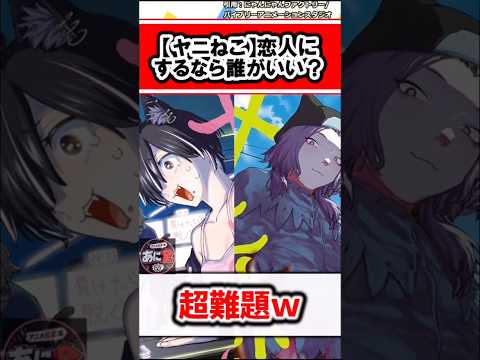
A viral video asking “Who would you choose as a romantic partner?” from the anime “Yaniko” has sparked widespread debate across social media platforms. This seemingly simple question reveals how anime viewers’ preferences reflect their personal values, emotional needs, and evolving cultural attitudes toward relationships and character design.
What Happened
A video featuring the anime “Yaniko” poses the question “Who would you choose as a romantic partner?” to viewers, prompting diverse responses across Twitter, YouTube, and 5channel forums. The discussion has generated significant engagement, with fans debating the merits of different characters based on personality traits, story moments, and emotional resonance. Multiple characters are presented as viable romantic interests, each appealing to different viewer preferences and psychological needs.
Why It Matters
This type of character selection debate has become a standard form of engagement within anime fandom, but it serves a purpose far deeper than casual preference-sharing. The question “Who would you choose as a romantic partner?” functions as a window into viewer psychology, revealing what individuals seek in relationships and what values they prioritize. Understanding these patterns helps both creators and audiences recognize how media shapes and reflects contemporary attitudes toward romance, partnership, and emotional fulfillment. Additionally, this discussion highlights how anime production studios intentionally design diverse character rosters to appeal to different demographic segments and emotional needs.
Background
Character selection debates have been a consistent feature of anime fandom for over 15 years. Early examples include intense discussions around “The Melancholy of Haruhi Suzumiya” (2006), where viewers debated between characters like Yuki Nagato and Mikuru Asahina. These debates have evolved significantly over time, reflecting broader changes in how audiences engage with media and what they seek in fictional relationships.
The evolution of these discussions reveals a clear pattern: in 2006, viewers favored “ideal and perfect” characters; by 2009, preferences shifted toward “realistic characters with challenges”; and by 2019, audiences increasingly selected characters with “complexity and internal conflict.” This progression suggests that viewer expectations have become more sophisticated and psychologically nuanced.
The anime industry has recognized this trend and now intentionally designs multiple character archetypes within single series to satisfy diverse viewer needs. This strategy is evident in works like “The Quintessential Quintuplets” (2019) and continues with contemporary releases like “Yaniko.”
Key Points
- The “romantic partner selection” question serves as a psychological indicator of what viewers value in relationships and personal connections
- Character preferences have shifted over 15+ years from idealized archetypes to complex, realistic personalities with internal conflicts
- Anime studios deliberately design multiple character options to appeal to different viewer demographics and emotional needs
- Platform differences shape discussion style: Twitter favors emotional reactions, 5channel emphasizes logical analysis, and YouTube enables detailed personal justification
- This debate reflects both healthy audience engagement and potential concerns about character commodification in modern fandom culture
- The question ultimately functions as a tool for self-reflection, helping viewers understand their own values and relationship expectations
Character Selection Trends: A Historical Comparison
| Anime Title | Release Year | Popular Character Archetype | Selection Motivation |
|---|---|---|---|
| The Melancholy of Haruhi Suzumiya | 2006 | Cool/Aloof Type (Yuki Nagato) | Seeking understanding and emotional support |
| Monogatari Series | 2009 | Tsundere Type (Senjougahara Hitagi) | Seeking personal growth and problem-solving |
| The Quintessential Quintuplets | 2019 | Tsundere Type (Nino Nakano) | Seeking realistic relationships with emotional complexity |
Perspectives
Positive Interpretation: Supporters view character selection debates as a healthy form of audience engagement that encourages self-reflection. By articulating why they prefer certain characters, viewers gain insight into their own values, emotional needs, and relationship expectations. This process can be genuinely enriching, helping individuals understand themselves better through the lens of fictional narratives.
Critical Perspective: Some observers raise concerns that these debates contribute to the commodification of characters, reducing complex fictional beings to consumer products selected based on emotional utility. Additionally, when such discussions become overly intense, they can contribute to unhealthy fan culture dynamics that place excessive emotional burden on participants.
Industry Perspective: Anime creators and studios recognize these selection patterns as valuable market data. They intentionally design character rosters with diverse archetypes—the supportive type, the challenging type, the mysterious type—to maximize appeal across different viewer segments. This approach is evident in series design strategies from “Attack on Titan” to contemporary releases.
Platform-Specific Responses: Different social media platforms generate distinct discussion styles. Twitter responses tend toward brief, emotionally positive reactions focused on specific memorable scenes. 5channel forums feature more analytical, sometimes critical discussions examining character compatibility from logical perspectives. YouTube comments typically include longer, more detailed personal justifications for character choices.
Insights
The “Who would you choose as a romantic partner?” question has evolved from a simple preference indicator into a sophisticated tool for understanding both individual psychology and broader cultural values. Over 15 years of anime fandom observation reveals that this question functions as a mirror reflecting what audiences seek in their own lives.
The shift from idealized characters to complex, conflicted ones mirrors real-world changes in how younger generations approach relationships—moving away from fantasy archetypes toward more realistic, nuanced partnership models. This suggests that anime audiences are becoming more psychologically mature and self-aware in their engagement with fictional narratives.
The intentional design of multiple character archetypes by studios indicates a sophisticated understanding of audience psychology. Rather than creating a single “ideal” love interest, modern anime increasingly offers a spectrum of possibilities, acknowledging that different viewers have different emotional needs and relationship values.
For the anime “Yaniko” specifically, the presence of multiple viable character options suggests that creators designed the series with awareness of diverse viewer needs. The subsequent engagement and debate validate this strategy, demonstrating that audiences appreciate having options that resonate with their individual values and preferences.
Looking forward, the most promising development would be the evolution of these discussions toward deeper self-analysis. Rather than simply stating preferences, audiences might increasingly engage in articulating why they prefer certain characters, using this process as a genuine tool for personal reflection and understanding their own relationship values and life philosophies.
Ultimately, “Yaniko” and similar works have the potential to transcend entertainment and become genuine tools for personal growth—not through explicit messaging, but through the reflective process that character selection debates naturally encourage.