▶ Watch the original YouTube video
How Kaguya Hime’s Shocking Debut Reveals Modern Game Character Design Strategy
Multiple gaming streamers have reacted with visible shock to the debut of Kaguya Hime, a new character in the popular mobile game Battle Cats. Analysis of these reactions reveals sophisticated character design strategies that extend far beyond simple gameplay mechanics, offering insights into how modern gacha games engineer emotional responses to drive engagement and community buzz.
What Happened
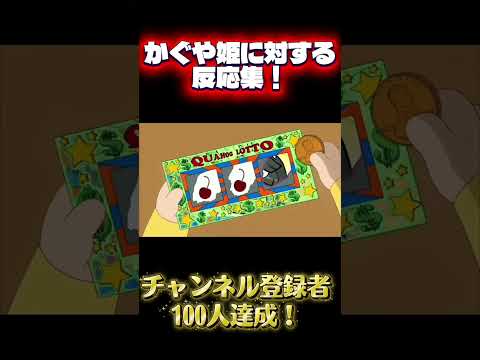
A new character named Kaguya Hime has been introduced in Battle Cats, and the character’s debut has generated notably strong reactions from multiple independent gaming streamers. The character’s introduction is accompanied by a mysterious line of dialogue—”Cherry?”—that has captured player attention. Video evidence shows streamers reacting with audible gasps and exclamations upon encountering this character, reactions that differ markedly from their responses to other characters like the Dog Army and Metal Goma.
Why It Matters
The coordinated strong reactions from multiple streamers to a single character reveal important truths about modern game design philosophy. In the gacha game industry, character popularity is no longer determined solely by gameplay strength or rarity. Instead, developers increasingly focus on engineering specific emotional responses through character design, dialogue, and presentation. Kaguya Hime’s debut demonstrates how a single character can generate organic community engagement and social media buzz—often more effectively than traditional advertising. Understanding these design patterns is relevant not only to game enthusiasts but also to industry professionals studying character design, player psychology, and community-driven marketing.
Background
Battle Cats is a tower defense mobile game that relies on a gacha system for character acquisition. The game regularly introduces new characters, but not all receive equal attention from the player community. The character’s introduction appears to mark a significant moment in the game’s narrative or design philosophy. The presence of established characters like Dog Army and Metal Goma in the same footage allows for direct comparison of how different characters generate different levels of player engagement.
The gacha game industry has evolved significantly over the past decade. Early gacha games focused primarily on character strength and rarity. However, modern gacha titles—including titles like Fate/Grand Order, Granblue Fantasy, and Arknights—increasingly invest in character presentation, voice acting, narrative context, and surprising debut moments. This shift reflects a deeper understanding of player psychology: memorable characters drive long-term engagement and spending more effectively than purely mechanical advantages.
Key Points
- Multiple streamers show strong, consistent reactions to Kaguya Hime’s debut, including audible gasps and exclamations, particularly after the “Cherry?” dialogue line
- The character’s introduction differs markedly from other characters like Dog Army and Metal Goma, suggesting intentional design differentiation
- The mysterious “Cherry?” dialogue appears designed to stimulate curiosity and imagination rather than provide direct character exposition
- Community response shows both excitement and practical concern, with players discussing both the character’s appeal and its in-game utility
- The character may represent a narrative turning point in the game, similar to special character series in other gacha titles
- Organic community engagement from independent streamers demonstrates the effectiveness of emotional design over paid marketing
Analysis: Character Design as Emotional Engineering
The reactions captured in the video reveal a carefully orchestrated design strategy. The brief, enigmatic “Cherry?” dialogue serves a specific psychological function: it provides insufficient information to fully understand the character, thereby compelling players to fill in the gaps with their own imagination. This technique is more effective at generating sustained interest than explicit character exposition would be.
The contrast between Kaguya Hime’s reception and the relatively muted responses to Dog Army and Metal Goma is particularly instructive. This differentiation suggests that the development team deliberately invested greater design effort into Kaguya Hime’s presentation. In gacha game economics, such differentiation directly influences player spending behavior and community discussion volume.
From a neuroscience perspective, the human brain responds more strongly to unexpected or novel stimuli than to familiar patterns. Characters that deviate from established templates create stronger memory traces and emotional associations. Kaguya Hime’s presentation appears designed to exploit this principle deliberately.
Community Response and Expectations
Analysis of community reactions reveals several distinct patterns. Many players express surprise at the character’s debut, confirming the effectiveness of the design strategy. Simultaneously, players ask practical questions about the character’s in-game strength and utility, indicating that emotional appeal alone does not satisfy the community—players expect both memorable presentation and functional gameplay value.
Some critical voices express concern about gacha rates or potential balance issues, reflecting the community’s engagement with game design integrity. These responses are valuable feedback for developers, indicating that players take game balance seriously despite being drawn in by character appeal.
Broader Implications for Game Design
Kaguya Hime’s debut exemplifies a significant shift in modern game development philosophy. The era when character popularity was determined primarily by gameplay strength has largely passed. Contemporary gacha games recognize that player engagement depends on emotional resonance, narrative significance, and memorable presentation.
This design approach carries both benefits and risks. When executed successfully—combining memorable presentation with solid gameplay—it creates genuinely engaging experiences. However, when presentation overshadows gameplay substance, the result can be hollow and ultimately unsatisfying. The true measure of Kaguya Hime’s success will depend not only on the character’s debut impact but also on whether the character delivers meaningful gameplay experiences that justify the emotional investment.
The coordinated strong reactions from multiple independent streamers suggest that Kaguya Hime’s appeal transcends individual preference and taps into more universal design principles. This kind of organic community response is far more valuable to developers than paid marketing, as it generates authentic word-of-mouth engagement and drives new player acquisition through trusted sources.
Looking Forward
The introduction of Kaguya Hime represents a case study in modern character design strategy. Whether the character becomes a lasting community favorite will depend on multiple factors: the quality of subsequent narrative development, the character’s practical utility in gameplay, and the community’s perception of fairness regarding gacha rates and balance.
For game developers, the lesson is clear: character design extends far beyond visual aesthetics and mechanical balance. The most successful characters are those that generate emotional responses, inspire community discussion, and create memorable moments that players want to share. Kaguya Hime’s debut demonstrates that when these elements align, a single character can become a significant cultural moment within a gaming community.