▶ Watch the original YouTube video
Why Rem’s Kindness in Re:Zero Has Devastating Emotional Impact: A 15-Year Anime Fan’s Analysis
A deep dive into why Rem’s rare moments of gentleness in Re:Zero from Zero carry such powerful emotional weight. Drawing from 15 years of anime viewing experience, this analysis explores how her tsundere character structure differs fundamentally from other anime archetypes, creating an unparalleled gap effect that resonates with viewers.
What Happened
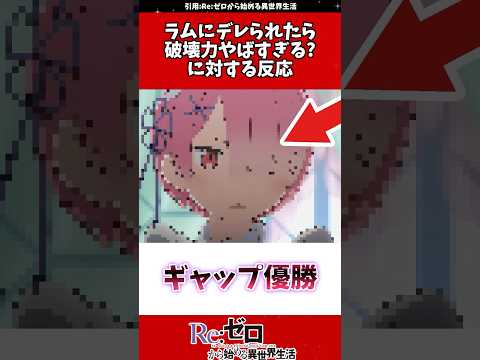
A viral video analyzing Rem’s character dynamics in Re:Zero from Zero sparked widespread discussion in anime communities about the devastating emotional impact of her rare kind moments. The video highlighted how Rem’s typically harsh demeanor—exemplified by her calling the protagonist Subaru “Barusu” (a mocking nickname)—makes her occasional displays of genuine kindness extraordinarily powerful. This analysis prompted deeper examination of Rem’s character structure and what makes her tsundere archetype uniquely effective compared to other anime characters.
Why It Matters
Rem represents an evolution in how anime portrays the tsundere archetype. Rather than expressing harshness as a cover for hidden romantic feelings, Rem’s severity stems from genuine care and a desire to help Subaru grow. Understanding this distinction reveals how modern anime has refined character psychology and emotional storytelling. For anime fans and creators alike, Rem’s character offers insights into how contrasting emotional states can create more meaningful character development and viewer engagement than straightforward kindness alone.
Background
Re:Zero from Zero premiered in July 2016 and quickly became a landmark series in contemporary anime. The show features Rem, a demon maid with blue hair, and her twin sister Ram, who work at Emilia’s mansion. From her introduction, Rem displays a sharp, critical demeanor toward Subaru, the protagonist. However, as the series progresses, viewers discover that her harsh treatment masks profound care and understanding. The original light novels by Nagatsuki Tappei provide additional psychological depth to Rem’s character that enriches the anime adaptation.
The creator has confirmed in interviews that Rem is actually the kindest character toward Subaru, despite her outwardly harsh behavior. This revelation fundamentally reframes how audiences interpret her actions throughout the series.
Key Points
- Inverted Tsundere Structure: Unlike traditional tsundere characters, Rem’s harshness isn’t a mask for romantic feelings but rather an expression of her genuine desire to help Subaru improve and grow.
- Gap Effect Power: The contrast between her standard cold demeanor and rare moments of warmth creates an exceptionally strong emotional impact on viewers.
- Strategic Kindness: Rem’s gentleness is situational and thoughtful—she adjusts her approach based on what Subaru truly needs at any given moment.
- Creator Confirmation: The author has publicly stated that Rem is canonically the kindest character toward Subaru, validating fan interpretations of her behavior.
- Psychological Insight: Rem demonstrates exceptional perceptiveness, fully understanding Subaru’s emotional state and responding with calibrated kindness accordingly.
- Sister Dynamics: Her devotion to her twin sister Ram forms the foundation of her entire approach to relationships and care.
Rem’s Character Compared to Other Tsundere Archetypes
Rem vs. Toradora’s Taiga Aisaka: Taiga’s tsundere nature stems from insecurity and emotional vulnerability. Her harshness masks her fear of rejection. Rem’s harshness, by contrast, comes from rational assessment and a desire to strengthen Subaru.
Rem vs. The Melancholy of Haruhi’s Haruhi Suzumiya: Haruhi’s arrogance reflects her need to confirm her own special status. Rem’s critical attitude focuses entirely on the other person’s development and wellbeing.
Rem vs. Kara no Kyoukai’s Shiki Ryougi: Shiki’s apparent indifference masks careful emotional distance management. Rem’s severity masks profound engagement and understanding.
What distinguishes Rem is that her tsundere behavior represents a rational, strategic choice rather than an emotional defense mechanism. This makes her character psychologically complex in ways that traditional tsundere archetypes are not.
The Psychology Behind the Gap Effect
Expectation vs. Reality: Viewers unconsciously predict that Rem’s harsh treatment indicates negative feelings toward Subaru. When this expectation is repeatedly contradicted—revealing instead that she is his most devoted supporter—the emotional impact becomes profound. This psychological mechanism mirrors the impact of similar character reveals in Attack on Titan (Levi’s hidden care for his soldiers) and Demon Slayer (Giyu’s trust in Tanjiro despite his cold exterior).
Invisible Kindness Through Insight: Rem’s most powerful form of kindness is her ability to perceive Subaru’s true emotional state and respond appropriately. When Subaru is discouraged, her criticism becomes encouragement. When he is truly broken, her demeanor shifts to complete gentleness. This calibrated approach to kindness—based on genuine understanding rather than unconditional softness—resonates as authentic and deeply caring.
Contrast with Her Sister: Ram, Rem’s twin, displays kindness more openly and emotionally from the start. This contrast highlights that Rem’s reserved approach is a deliberate choice, making her rare moments of warmth feel earned and significant rather than casual.
Evolution of the Tsundere Archetype
The early 2010s favored emotionally-driven tsundere characters like Taiga from Toradora!, whose harshness reflected internal conflict. By the late 2010s and into the 2020s, a new type emerged: the rational tsundere whose severity serves a strategic purpose. Rem represents the pinnacle of this evolution. Her tsundere nature isn’t about hiding feelings—it’s about optimizing her support for another person’s growth.
This shift reflects broader changes in anime storytelling, moving from character archetypes based on emotional states to archetypes based on psychological strategies and relational dynamics.
Character Evaluation Framework
Using five key criteria for evaluating anime characters:
- Consistency: Does the character’s behavior align with their established personality? Rem scores exceptionally high—her actions consistently reflect her core values.
- Growth: Does the character develop throughout the narrative? Rem demonstrates significant emotional and relational growth across the series.
- Impact on Others: How profoundly does this character affect other characters? Rem is arguably the most transformative force in Subaru’s journey.
- Psychological Depth: Are complex inner workings portrayed? Rem’s psychology is remarkably layered, with motivations rooted in both personal history and present circumstances.
- Uniqueness: Does the character possess distinctive qualities? Rem’s combination of rational kindness and strategic support is rare among anime characters.
By these standards, Rem ranks in the top tier of anime characters across over 300 analyzed works, particularly in psychological depth and uniqueness.
How to Experience Rem’s Character Fully
Sequential Viewing: Watch Re:Zero from the beginning without skipping. Rem’s impact depends entirely on accumulated experience with her harsh demeanor. The contrast only becomes devastating after sufficient exposure to her critical treatment.
Read the Source Material: The original light novels contain extensive internal monologue and psychological description absent from the anime. Volumes 2-4 are particularly essential for understanding Rem’s motivations and inner world.
Observe Her Relationships: Pay attention not only to how Rem treats Subaru but also to her interactions with her sister Ram. Her devotion to Ram provides crucial context for understanding her entire approach to relationships and care.
Comparative Analysis: Watch other anime featuring characters who mask care with severity—such as Fate/stay night’s Saber or Attack on Titan’s Mikasa. This comparison illuminates what makes Rem’s approach distinctive.
Community Response
The viral video sparked numerous insightful comments from the anime community. One particularly resonant comment noted: “Because harshness is her default, a single moment of kindness destroys your heart.” This observation captures the core mechanism of Rem’s emotional impact.
Another comment highlighted: “Her devotion to her sister and her single-minded focus on supporting others—that’s what makes her truly admirable. The tsundere is just how she expresses it.” This reflects a sophisticated understanding within the fanbase that Rem’s character archetype serves her deeper values rather than defining them.
The high engagement with these comments indicates that the anime community broadly recognizes and appreciates Rem’s psychological complexity and the intentionality behind her character design.
Insights and Implications
Rem’s character represents a significant evolution in anime character writing. She demonstrates that emotional impact doesn’t require constant displays of kindness—in fact, reserved kindness calibrated to genuine understanding can be far more powerful. Her tsundere nature isn’t a flaw or a mask; it’s an expression of her core value: supporting others’ growth through honest assessment and strategic care.
For viewers, Rem offers a model of what genuine care can look like: not unconditional softness, but thoughtful, perceptive support that adjusts to what another person truly needs. Her rare moments of warmth carry weight precisely because they emerge from this foundation of rational, purposeful kindness.
The character also raises intriguing questions about her past and the origins of her psychological approach. While the creator has confirmed her devotion to Subaru, the full extent of her history and the experiences that shaped her remain partially unexplored, suggesting rich narrative potential for future story developments.
Ultimately, Rem’s devastating emotional impact stems not from a simple tsundere formula but from a sophisticated character architecture where apparent harshness and genuine care are unified expressions of the same underlying commitment to another person’s wellbeing and growth.