▶ Watch the original YouTube video
Char Aznable’s Internet Reception Analyzed: The Tragedy of a Contradicted Warrior
After 15 years of Gundam fandom and viewing over 500 anime series, one character stands out as the most profoundly contradictory: Char Aznable. This deep analysis examines internet reactions to Char’s self-destructive nature, comparing his trajectory to characters like Vegeta, and explores why his inability to reconcile his past with his present makes self-annihilation inevitable.
What Happened
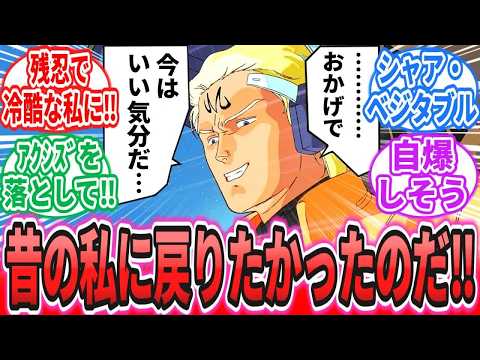
Internet communities have engaged in extensive discussion about Char Aznable, the complex antagonist from Mobile Suit Gundam, particularly regarding his contradictory nature and inevitable self-destruction. The discourse centers on a critical line from the character: “I wanted to return to my former self—to the cold and ruthless Char Aznable who could fight Amuro without hesitation.” This statement reveals a fundamental paradox: Char seeks a version of himself that may never have existed, while simultaneously being incapable of abandoning warfare as his sole means of existence.
Why It Matters
Char Aznable represents one of anime’s most sophisticated explorations of identity fragmentation and the tragedy of unresolved contradiction. Unlike typical antagonists who pursue clear ideological goals, Char embodies the psychological collapse of someone who has lost touch with his authentic self through constant reinvention. His character arc raises fundamental questions about identity, redemption, and whether individuals shaped entirely by conflict can ever transcend their nature. Understanding Char’s psychology illuminates broader themes about how trauma, past sins, and the pursuit of power can render personal transformation impossible.
Background
Char Aznable operates under multiple identities throughout the Gundam franchise: Casval Deikun in childhood, Char Aznable as a military officer, and Quattro Bajeena during his time with the AEUG. Each identity represents an attempt to escape his previous self, yet each remains fundamentally incomplete. The character’s defining trauma stems from his assassination of Degwin Sodo Zeon and the countless deaths he has orchestrated. Unlike characters such as Vegeta from Dragon Ball, who achieved personal growth through family relationships and acceptance of his past, Char consistently rejected opportunities for genuine human connection, viewing family bonds as incompatible with his warrior identity.
Key Points
- Identity Fragmentation: Char’s repeated name changes and role shifts reflect his inability to establish a coherent sense of self, suggesting all his identities are performances rather than authentic expressions
- The Illusion of Return: Char’s desire to “return to his former self” is fundamentally impossible because that self may never have genuinely existed—each phase of his life was constructed rather than discovered
- Rejection of Family: Unlike Vegeta, who found redemption through family relationships, Char actively avoided meaningful connections with his sister Seyla and daughter Quess, viewing such bonds as weaknesses
- False Idealism: Char’s stated goal of achieving peace through dropping Earth into the sun masks his true motivation: the perpetuation of warfare as his only meaningful existence
- Inevitable Self-Destruction: The internet consensus identifies Char’s trajectory as leading inevitably toward self-annihilation, not as a failure but as the logical conclusion of his contradictions
- Mutual Dependence with Amuro: Char’s relationship with Amuro Ray transcends simple enmity, suggesting Char unconsciously tests whether Amuro will abandon him or remain engaged indefinitely
Comparative Analysis: Char and Vegeta
The internet discussion frequently contrasts Char with Vegeta from Dragon Ball, highlighting a crucial divergence in character development. Both characters begin as warriors incapable of conceiving life outside combat. However, Vegeta’s relationship with Bulma catalyzed genuine transformation: he accepted his past atrocities while choosing to build a new life centered on family responsibility. Vegeta recognized that redemption does not require erasing the past but rather accepting it and moving forward.
Char faced analogous opportunities. His sister Seyla represented a connection to his pre-war identity, and his daughter Quess offered a chance at paternal responsibility. Yet Char rejected both relationships, viewing them as incompatible with his warrior nature. This fundamental difference—Vegeta’s acceptance versus Char’s rejection—determines their divergent fates. Vegeta transforms into a parent; Char remains eternally a soldier.
The Hollowness at Char’s Core
Internet observers frequently note that Char appears fundamentally “empty.” This emptiness stems not from inherent weakness but from his deliberate avoidance of self-examination. By constantly adopting new identities, Char escaped the necessity of confronting his authentic self. Each name change, each ideological pivot, each new military affiliation represented another layer of performance, another escape route from genuine introspection.
This pattern mirrors the psychological phenomenon of identity dissolution: individuals who lose coherent self-conception often generate successive false identities to fill the void. Char’s repeated reinvention suggests not flexibility but fragmentation—a desperate attempt to outrun the consequences of his actions and choices.
The Contradiction Between Stated Goals and True Motivation
A critical insight from internet analysis concerns the gap between Char’s professed ideals and his actual drives. He claims to pursue peace through radical action, yet his genuine motivation appears to be the perpetuation of warfare itself. The line “I have no choice but to keep fighting in mobile suits” reveals his true nature: not an idealist seeking systemic change, but a warrior addicted to combat.
This contradiction proves irreconcilable. Char cannot genuinely pursue peace because peace would eliminate the only context in which he experiences meaning. His grand plans for Earth’s destruction serve not as means to peace but as justifications for continued warfare. The internet community recognizes this fundamental dishonesty as central to understanding why Char’s trajectory must end in self-destruction.
Internet Reception and Interpretations
Online communities present diverse interpretations of Char’s character. Some view him sympathetically as a tragic figure trapped by circumstance and past trauma. Others interpret his actions as fundamentally selfish tests of Amuro’s commitment—unconsciously seeking confirmation that someone will remain engaged with him despite his destructiveness.
A particularly insightful observation notes that Garma may have represented Char’s equivalent to Vegeta’s Bulma—a figure capable of humanizing him. Char’s elimination of Garma, ostensibly for revenge against the Zeon family, may have simultaneously represented an unconscious rejection of the very relationship that could have transformed him.
The recurring internet meme “Char looks like he’s about to self-destruct” transcends humor to articulate a genuine psychological truth: Char’s contradictions cannot be sustained indefinitely, and self-annihilation represents the inevitable terminus of his trajectory.
Insights
Char Aznable emerges from internet analysis as perhaps anime’s most sophisticated portrayal of identity collapse and the tragedy of unresolved contradiction. Unlike antagonists motivated by clear ideological conviction, Char represents the psychological dissolution of someone who has lost authentic selfhood through constant reinvention and trauma avoidance.
The fundamental question posed by Char’s character—whether individuals shaped entirely by conflict can transcend their nature—remains unresolved because Char himself never attempts genuine transformation. He possessed opportunities for redemption that Vegeta seized, yet rejected them. This rejection was not inevitable but chosen, making his eventual self-destruction not a tragedy imposed by circumstance but the logical conclusion of deliberate refusal to change.
Internet communities recognize that Char’s story illuminates broader truths about human psychology: the impossibility of returning to a past self, the dangers of identity fragmentation, and the self-perpetuating nature of cycles built on warfare and avoidance. His character serves not as entertainment but as a profound meditation on what happens when individuals prioritize the familiar pain of conflict over the uncertain possibility of genuine human connection and growth.
The enduring fascination with Char Aznable suggests that audiences intuitively understand his tragedy as reflecting genuine human experiences—the ways people construct false identities to escape their pasts, the difficulty of accepting responsibility for accumulated harm, and the seductive pull of remaining within destructive patterns rather than risking transformation.