▶ Watch the original YouTube video
Gourmet Chefs’ Desperate Reactions to Mount Turtle: A Deep Analysis of Toriko’s Most Pivotal Battle Scene
In one of anime’s most emotionally devastating moments, the gourmet chefs of Toriko face an overwhelming enemy in Mount Turtle, leading to a scene where characters openly accept their impending death. This analysis explores why this battle sequence resonates so powerfully with viewers and ranks among the most psychologically compelling moments in modern anime.
What Happened
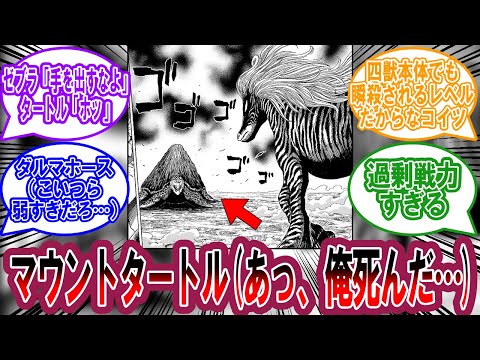
In a critical moment during the Toriko anime series, the protagonist and his companions encounter Mount Turtle, an enemy so overwhelmingly powerful that each character is forced to confront their own mortality. The scene is marked by a pivotal line—”Ah, I’m dead…”—that encapsulates the absolute despair the gourmet chefs experience. Rather than displaying typical anime heroism or hidden reserves of power, the characters openly accept death, creating a rare moment of psychological vulnerability in action anime.
Why It Matters
This battle sequence stands out because it prioritizes character psychology over conventional action spectacle. In an industry where heroes typically overcome adversity through willpower or hidden abilities, Toriko’s Mount Turtle arc presents pure, unfiltered despair. The scene resonates with viewers because it explores a fundamental human experience: confronting the possibility of failure and death without guarantee of survival. This psychological depth has made the scene a defining moment in the series and a benchmark for emotional storytelling in anime.
Background
Toriko is a long-running manga and anime series created by Mitsutoshi Shimabukuro that follows a group of professional gourmet hunters in a world filled with dangerous creatures and exotic ingredients. The series is known for balancing comedic moments with intense action sequences and character development. The Mount Turtle battle represents a turning point where the narrative shifts from adventure-focused storytelling to deeper exploration of character limits and psychological resilience. The anime adaptation, which aired in a late-night time slot, has cultivated a dedicated fanbase over the past 15 years, with this particular scene becoming iconic among viewers who appreciate nuanced character work in action anime.
Key Points
- Overwhelming Threat: Mount Turtle is depicted not merely as a strong enemy, but as an absolute force that renders the protagonists’ efforts meaningless, forcing them to confront genuine mortality.
- Diverse Character Reactions: Each character—Toriko, Komatsu, Coco, and Cross—expresses their despair differently, revealing their individual psychological states and personalities.
- Animation Excellence: The scene’s emotional impact is amplified through detailed facial expressions and voice acting that convey internal struggle beyond dialogue.
- Psychological Depth Over Action: Rather than focusing on combat choreography, the scene emphasizes the internal experience of facing death, making it a character study rather than a typical action sequence.
- Narrative Turning Point: The despair serves as a catalyst for character growth, suggesting that confronting absolute limits is necessary for transcendence.
- Viewer Engagement: The unpredictability of the outcome—genuine uncertainty about whether characters will survive—creates psychological tension that elevates the scene’s impact.
Comparative Analysis with Other Anime
The Mount Turtle battle employs a distinct approach to depicting despair compared to other acclaimed anime. In Attack on Titan, soldiers facing titans experience a conflict between fear and duty, emphasizing social responsibility alongside personal survival instinct. One Piece typically frames desperate moments through the lens of determination and anger, where characters resist despair through sheer willpower. Demon Slayer combines duty with acceptance, where characters find strength through embracing their fate.
Toriko’s approach differs fundamentally: it presents pure helplessness without the mitigating factors present in other series. The characters do not cling to hope, duty, or hidden strength. Instead, they acknowledge their absolute powerlessness before an insurmountable force. This unflinching portrayal of despair, without the narrative reassurance typically found in mainstream anime, creates a uniquely unsettling and emotionally authentic moment.
Psychological Mechanisms Behind Viewer Response
The scene’s powerful impact operates through three primary psychological mechanisms. First, empathetic identification allows viewers to project their own experiences of despair and limitation onto the characters, creating a profound emotional connection. Second, uncertainty and tension arise from genuine doubt about character survival, preventing viewers from relying on typical narrative conventions to predict outcomes. Third, affirmation of human dignity emerges from watching characters maintain their resolve and face death with courage, resonating with fundamental human values.
The scene also reflects broader trends in 2010s anime, where “despair to hope” narratives became increasingly prevalent across series like Danganronpa and My Hero Academia. However, Toriko distinguishes itself by treating despair not as a temporary emotional state but as a necessary condition for character evolution—a philosophical framework suggesting that growth requires confronting genuine limitation.
Production Insights
Creator Mitsutoshi Shimabukuro has emphasized in interviews that battle scenes function as vehicles for character psychology rather than pure action spectacle. The anime adaptation amplifies this philosophy through directorial choices that prioritize facial expressions, eye movement, and vocal performance. The trembling hands of Komatsu and the focused gaze of Toriko become visual anchors for the scene’s emotional weight, demonstrating how animation can convey internal states more effectively than manga’s static panels.
The decision to extend the despair sequence rather than quickly pivot to hope or counterattack reflects intentional pacing choices designed to immerse viewers in the characters’ psychological experience. This approach carries risk—some viewers found the extended despair uncomfortable—but the willingness to maintain emotional discomfort demonstrates artistic confidence in the scene’s thematic importance.
Viewer Reception and Online Response
Social media analysis reveals predominantly positive reception, with viewers on Twitter expressing that “the despair in the Mount Turtle battle is overwhelming” and that the line “Ah, I’m dead…” resonated emotionally. YouTube comments frequently praised animation quality and voice acting, while also noting that the scene’s impact created anticipation for subsequent episodes. Discussion on anime forums acknowledged the scene’s psychological power even among skeptics who found the pacing slow, suggesting that the scene’s emotional authenticity transcended individual preferences.
Notably, even critical responses validated the scene’s effectiveness. Comments requesting faster pacing or quicker resolution paradoxically confirm the scene’s success—viewers experienced genuine despair and naturally desired relief, proving the psychological authenticity of the portrayal.
Insights
The Mount Turtle battle exemplifies how modern anime can achieve emotional depth through psychological realism rather than spectacle. The scene’s power derives from its refusal to offer conventional reassurance, instead presenting characters stripped of typical narrative protections and forced to confront genuine limitation. This approach aligns with broader cultural shifts toward authenticity in storytelling, where audiences increasingly value honest emotional portrayal over formulaic heroism.
The scene also demonstrates that character development need not follow predictable arcs. By allowing characters to experience absolute despair without immediate redemption, the narrative creates space for genuine transformation. The despair becomes not a plot device but a psychological crucible where character essence is revealed and potentially reformed.
For viewers seeking anime that prioritizes emotional and psychological depth, the Mount Turtle sequence represents a benchmark of what the medium can achieve when creators commit to exploring the interior lives of characters facing existential limits. The scene’s enduring impact suggests that audiences hunger for storytelling that respects their emotional intelligence and willingness to sit with discomfort in service of authentic human experience.