▶ Watch the original YouTube video
Honkai: Star Rail Players React to Shocking Revelation That Onphalos Is Real
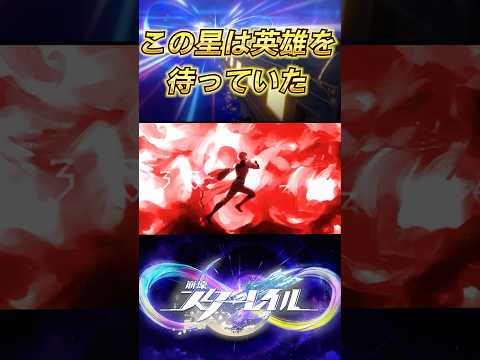
Honkai: Star Rail has announced that Onphalos, a legendary figure previously known only through in-game mythology, will become a playable character. The revelation has sparked intense reactions from the player community, raising questions about how the game’s narrative structure integrates myth with reality.
What Happened
Honkai: Star Rail’s development team has revealed that Onphalos, a character previously referenced only as a legend within the game’s lore, will be implemented as an actual playable character. This announcement has generated significant discussion within the player community, with reactions ranging from excitement to cautious speculation about the narrative implications.
The revelation also hints at a connection between Onphalos and another character named Feixiao, suggesting that this implementation may involve broader changes to the game’s existing storyline rather than a simple character addition.
Why It Matters
This development represents a significant narrative strategy in modern gaming. The transformation of an in-game legend into a playable character challenges conventional storytelling approaches and raises important questions about how games construct and maintain their fictional worlds.
For players, this announcement signals that the game’s mythology is not merely decorative background lore but an integral part of an evolving narrative structure. The move suggests that Honkai: Star Rail is willing to fundamentally recontextualize its world-building, potentially reshaping how players understand previously established story elements.
Background
Honkai: Star Rail employs a complex narrative framework featuring multiple mythological systems and interconnected storylines. Within this structure, certain characters and entities exist primarily as legendary references—mentioned in dialogue, texts, and world-building elements but never directly encountered as interactive characters.
Onphalos occupied this space in the game’s narrative hierarchy. By existing only as a legend, the character maintained a sense of mystery and historical distance from the player’s current timeline. The decision to materialize this legendary figure represents a deliberate shift in how the game treats its mythological framework.
Key Points
- Onphalos Materialization: A character previously known only through in-game legend will become a playable character, marking a rare narrative transition from myth to reality within the game world.
- Player Community Response: The announcement has generated substantial discussion, with players expressing both excitement and curiosity about the narrative implications.
- Feixiao Connection: The revelation hints at a meaningful relationship between Onphalos and the character Feixiao, suggesting interconnected story developments.
- Narrative Integration: The game’s mythological framework is being actively integrated into the primary narrative rather than remaining as peripheral world-building.
- Player Psychology: The announcement challenges player expectations about the permanence and nature of in-game legends, creating cognitive and emotional responses beyond simple character excitement.
- Industry Implications: This approach reflects broader trends in modern game design toward complex, multi-layered narrative structures that reward player engagement and interpretation.
Timeline
- Pre-Announcement: Onphalos exists in player knowledge exclusively as a legendary figure referenced throughout Honkai: Star Rail’s lore.
- Announcement: The development team reveals that Onphalos will be implemented as a playable character, with hints of connection to Feixiao.
- Community Response: Players engage in discussion, speculation, and analysis regarding the narrative significance of this revelation.
- Future Implementation: The character is scheduled for implementation in upcoming game updates.
Perspectives
Positive Reception: Many players view the Onphalos revelation as an exciting narrative development that demonstrates the game’s commitment to complex storytelling. Social media responses highlight enthusiasm about how this move deepens the game world and creates new possibilities for character interactions and plot development. Players appreciate that the game is willing to challenge their assumptions about what is permanent and unchangeable within its narrative framework.
Cautious Concern: Some players express worry that materializing a legendary figure may diminish the character’s mystique and appeal. This perspective suggests that legends derive power from their distance and mystery—that the act of making Onphalos tangible could undermine the very qualities that made the character compelling as a mythological entity. This concern reflects legitimate questions about narrative design and the balance between revelation and preservation of mystery.
Analytical Engagement: A significant portion of the community has engaged in detailed speculation about the narrative mechanics at work. Players are actively theorizing about how Onphalos’s materialization might require reinterpretation of previous story elements, what the connection to Feixiao signifies, and whether other legendary figures might follow a similar path from myth to playable character.
Insights
The Onphalos announcement represents a deliberate evolution in how Honkai: Star Rail constructs its narrative experience. Rather than treating mythology as static background decoration, the game is demonstrating that its legendary framework is dynamic and subject to recontextualization.
This approach creates a unique form of player engagement. When a legend becomes real within a game world, players experience a cognitive shift—the revelation forces them to reconsider everything they previously understood about that character and the world containing it. This is not simply the excitement of a new character addition; it is the intellectual satisfaction of having one’s understanding of the game world fundamentally deepened.
The connection to Feixiao suggests that this is not an isolated narrative event but part of a larger structural reorganization. If other legendary entities follow similar paths, players may begin to experience the game’s entire mythological framework as a dynamic, evolving system rather than a fixed historical backdrop.
From a broader industry perspective, this strategy reflects a maturation in how games approach narrative complexity. Rather than maintaining clear boundaries between lore and playable content, Honkai: Star Rail is experimenting with a more fluid integration where the act of making something playable becomes a narrative event in itself—a moment where the game world’s rules and structure are revealed to be more complex than previously understood.
The player reactions demonstrate that modern gaming audiences are sophisticated enough to appreciate this kind of meta-narrative engagement. The excitement is not merely about acquiring a new character but about the intellectual and emotional experience of having one’s understanding of the game world transformed.