▶ Watch the original YouTube video
How ‘One Day Out Hanchou’ Embraces Chaos: Fan Reactions to the Drunken Mahjong Arc
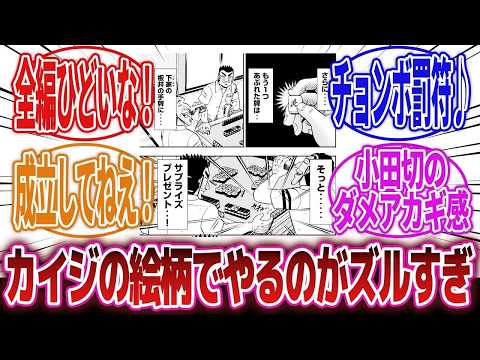
The manga series ‘One Day Out Hanchou’ has sparked intense online discussion with its unconventional drunken mahjong arc, which abandons traditional game logic in favor of character-driven chaos. Fans are calling the arc “chaotic” and “unpredictable,” marking a significant shift in how the series balances gaming mechanics with narrative depth.
What Happened
The latest arc of ‘One Day Out Hanchou’ introduces a drunken mahjong scenario where characters play while intoxicated. This departure from the series’ traditionally precise mahjong gameplay has generated widespread online discussion, with readers describing the arc as chaotic, unpredictable, and fundamentally different from previous storylines. The arc strips away the characters’ usual composure and decision-making patterns, revealing unexpected personality traits and creating narrative unpredictability.
Why It Matters
This arc represents a significant evolution in how game-themed manga can balance gameplay mechanics with character development. By introducing intoxication as a narrative device, the series shifts focus from mahjong strategy to human psychology and emotional authenticity. This approach challenges the established conventions of game-based manga, which typically prioritize rule adherence and strategic clarity. The overwhelmingly positive reception suggests readers are hungry for deeper character exploration and are willing to embrace narrative experimentation within familiar franchises.
Background
‘One Day Out Hanchou’ is a comedy manga centered on mahjong gameplay and character interactions. The series has built its reputation on precise mahjong mechanics combined with humor derived from character personalities and relationships. The protagonist, Hanchou (the squad leader), typically maintains composure and control over his subordinates, creating predictable but entertaining dynamics. The introduction of a drunken mahjong arc fundamentally disrupts this established formula, forcing characters to operate outside their normal behavioral patterns.
Key Points
- The drunken mahjong arc introduces intoxication as a narrative device, causing characters to make unpredictable decisions and reveal hidden personality traits
- The arc deliberately breaks the series’ tradition of rule-adherent, logic-based gameplay in favor of character-driven chaos
- Online reception predominantly uses the term “chaos” (混沌) as a positive descriptor, indicating readers view unpredictability as refreshing rather than problematic
- The arc shifts emphasis from mahjong game mechanics to character psychology and human authenticity
- While most readers embrace the new direction, some longtime fans argue the arc feels inconsistent with the series’ established identity
- The arc demonstrates how creative constraints—in this case, intoxication—can generate unexpected storytelling possibilities
Timeline
- Series Launch: ‘One Day Out Hanchou’ establishes itself as a mahjong-comedy manga with emphasis on precise gameplay and character hierarchy
- Series Maturation: Over multiple arcs, the series develops deeper character relationships and more sophisticated humor
- Drunken Mahjong Arc: The series introduces the experimental arc, deliberately subverting established patterns and reader expectations
- Online Reception: Fans respond with enthusiasm, using “chaos” as a positive descriptor and praising the narrative innovation
Perspectives
Supportive Readers: Many fans view the drunken mahjong arc as a refreshing departure from predictable patterns. They appreciate how intoxication strips away social masks and reveals authentic human nature. For these readers, the “chaos” represents creative evolution and deeper character exploration. They see parallels to successful narrative experiments in other media, where unpredictability generates engagement and emotional investment.
Critical Readers: Some longtime fans argue the arc abandons what made the series distinctive—precise mahjong gameplay combined with strategic humor. They contend that prioritizing character chaos over game mechanics dilutes the series’ core appeal. These readers value the intellectual satisfaction of following complex mahjong strategy and worry that extended chaos risks becoming mere character derailment rather than meaningful storytelling.
Analytical Perspective: The arc represents a deliberate shift from game-mechanics-first storytelling to character-psychology-first narrative. This mirrors broader trends in contemporary manga, where reader engagement increasingly depends on emotional authenticity and unpredictability rather than rule-based logic. The arc succeeds because it maintains internal consistency—characters behave unpredictably in ways that feel authentic to intoxication—rather than introducing arbitrary chaos.
Insights
The drunken mahjong arc’s success reveals important truths about mature storytelling in game-themed narratives. First, audiences increasingly value character authenticity over mechanical precision. Intoxication serves as a narrative device that exposes characters’ true selves beneath social conditioning, creating emotional resonance that pure strategy cannot achieve.
Second, the arc demonstrates how creative constraints generate innovation. By introducing intoxication as a limiting factor, the series creates new storytelling possibilities that wouldn’t exist within traditional mahjong parameters. This principle applies broadly: constraints often unlock creativity rather than limiting it.
Third, the overwhelmingly positive reception—despite some dissent—indicates that long-running series can successfully reinvent themselves when changes feel organic to character development. The arc works because intoxication logically explains behavioral shifts rather than imposing arbitrary changes.
Finally, the arc raises important questions about narrative sustainability. The true test lies not in the chaos itself, but in how the series resolves the arc and incorporates its revelations into future storytelling. If the drunken state’s character revelations influence subsequent character development, the arc achieves genuine narrative depth. If chaos ends without consequence, it risks devolving into mere spectacle.
The drunken mahjong arc ultimately represents ‘One Day Out Hanchou’ evolving from a game-mechanics manga into a character-psychology exploration. This shift aligns with broader industry trends toward emotional authenticity and narrative experimentation, suggesting the series is maturing alongside its readership.