▶ Watch the original YouTube video
Why Fans Want to Pet Their Favorite Characters: The Psychology Behind Fan Culture’s Most Tender Impulse
A viral video exploring which characters fans most want to pet has sparked deeper conversations about fan psychology and emotional attachment. The phenomenon reveals how fans express protection, empathy, and self-affirmation through their favorite characters—a trend that reflects broader shifts in modern social connection and digital culture.
What Happened
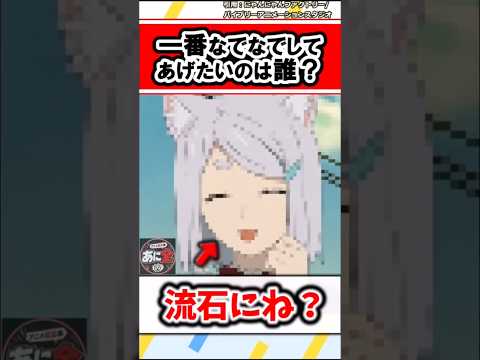
A YouTube video titled “Why Fans Want to Pet Their Favorite Characters” has gained traction by asking viewers a deceptively simple question: which character would they most like to pet? The video features multiple anthropomorphic cat characters with distinct personalities—described as “medicine cat,” “writer cat,” “younger sister cat,” and “Kansai cat”—and captures viewers’ genuine responses about who they’d most want to comfort and care for.
The video taps into a phenomenon increasingly visible across anime, gaming, and VTuber communities: fans expressing an impulse to “pet” or comfort their favorite characters. Rather than being dismissed as mere fantasy, this impulse has become recognized as a legitimate expression of fan psychology that reveals deeper emotional needs and attachment patterns.
Why It Matters
The desire to pet or comfort fictional characters is not trivial—it represents a significant shift in how modern audiences engage with media and express emotional connection. This behavior reflects genuine psychological needs: the desire to protect, to nurture, to be needed, and to experience intimacy in a controlled, safe environment.
Understanding this impulse matters because it illuminates how digital culture and fictional media serve psychological functions in contemporary society. For many fans, particularly those navigating isolation, social anxiety, or emotional distance in their daily lives, fan communities and character attachment provide meaningful avenues for emotional expression and self-affirmation. The normalization of discussing these feelings—rather than dismissing them—contributes to healthier fan cultures and broader conversations about emotional wellness.
Background
Fan culture has evolved significantly over the past 15 years, particularly within anime, gaming, and VTuber communities. The concept of “oshi-katsudo” (推し活)—fan activity centered around supporting and celebrating favorite characters or creators—has become mainstream in Japanese and international fan communities.
The impulse to pet or comfort characters gained particular visibility during the COVID-19 pandemic, when social isolation intensified emotional investment in digital media. Phrases like “yoshi yoshi” (よしよし—a gentle, comforting sound) became ubiquitous in VTuber chat streams, with thousands of fans simultaneously expressing the desire to comfort their favorite creators through text-based affection.
Anthropomorphic character design—particularly animal-human hybrids—has become increasingly prevalent in anime and gaming over the past decade. This design choice deliberately triggers both cuteness and protective instincts, making characters feel simultaneously endearing and vulnerable.
Key Points
- Multiple psychological drivers: The desire to pet characters stems from three interconnected impulses—protection (wanting to shield vulnerable characters), empathy (wanting to comfort those in distress), and intimacy (seeking closer connection through physical gesture).
- Character vulnerability amplifies attachment: Fans most want to comfort characters who are struggling, sad, or in difficult situations. The combination of cuteness and perceived weakness creates the strongest emotional response.
- Anthropomorphic design is deliberate: Animal-human hybrid characters are specifically designed to trigger both cuteness responses and protective instincts, making them maximally effective at stimulating the desire to nurture.
- Community reinforcement: Fan communities amplify these impulses through shared expression—seeing thousands of others simultaneously wanting to comfort a character validates and intensifies individual emotional responses.
- Self-affirmation through care: The act of wanting to comfort a character allows fans to experience themselves as capable, nurturing, and valuable—a psychological function particularly important for those feeling powerless in their daily lives.
- Growing cultural prevalence: Content explicitly designed around the “petting” or comforting impulse has increased dramatically since 2020, suggesting both growing fan demand and industry recognition of this emotional need.
Timeline
- 2017: Anime series “Kemono Friends” introduces anthropomorphic animal characters, sparking early recognition of protective and nurturing impulses toward fictional characters.
- 2019: Rhythm game “Love Live! School Idol Festival” and VTuber group “Hololive” gain popularity, with fans increasingly expressing desire to comfort and support characters and creators.
- 2020-2021: COVID-19 pandemic intensifies emotional investment in digital media; phrases like “yoshi yoshi” become ubiquitous in VTuber communities as fans seek connection through text-based comfort.
- 2022-2025: Content explicitly featuring character selection based on “who would you most want to pet” becomes increasingly common, reflecting mainstream acceptance of this fan behavior.
Perspectives
Fan Community Perspective: For most fans, the desire to pet or comfort characters represents genuine emotional expression and a healthy outlet for nurturing instincts. Fans view this behavior as an expression of love and support, comparable to how people care for pets or children. The communal nature of these expressions—thousands of fans simultaneously comforting a character—creates a sense of shared purpose and belonging.
Psychological Interpretation: Psychologists recognize this behavior as fulfilling legitimate emotional needs. The desire to protect and nurture is a fundamental human drive; when real-world circumstances limit opportunities to express this drive, fictional characters provide a safe outlet. Additionally, the experience of being needed—even by a fictional character—contributes to self-esteem and sense of agency.
Design Industry Perspective: Content creators and character designers increasingly recognize that vulnerability and cuteness are powerful emotional triggers. The deliberate combination of anthropomorphic features (animal ears, tails) with character traits suggesting need (sadness, confusion, youth) is understood as maximally effective for generating emotional engagement and fan loyalty.
Critical Perspective: Some observers question whether the impulse to pet characters represents an unhealthy substitution of fictional relationships for real human connection, or whether it objectifies characters by treating them as objects of comfort rather than complex beings. However, this perspective remains minority within fan communities, which generally view character affection as complementary to rather than replacement for human relationships.
Insights
The widespread desire to pet and comfort fictional characters reveals several important truths about contemporary culture and psychology. First, it demonstrates that emotional needs for nurturing, protection, and intimacy remain powerful human drives, even when directed toward fictional entities. Rather than indicating pathology, this behavior suggests that fans have found healthy, consensual outlets for fundamental psychological needs.
Second, the phenomenon highlights how digital media and fan communities have become primary spaces for emotional expression and connection, particularly for those experiencing isolation or social difficulty. The normalization of discussing these feelings—rather than pathologizing them—represents progress in how society understands emotional wellness and alternative forms of community.
Third, the deliberate design of characters to trigger protective and nurturing responses demonstrates the sophisticated understanding that modern creators have of fan psychology. This is not accidental—anthropomorphic character design, vulnerability narratives, and community-focused content are all strategically employed to deepen emotional engagement.
Finally, the growth of this phenomenon suggests that modern audiences increasingly value emotional authenticity and vulnerability in their media consumption. Characters who are flawed, struggling, or in need of support generate stronger attachment than invulnerable, perfect characters. This reflects a broader cultural shift toward valuing emotional depth and relational connection over traditional power fantasies.
As virtual reality, AI-generated characters, and metaverse technologies continue to develop, the ability to express these nurturing impulses toward fictional characters will likely become even more immersive and normalized. The question is not whether fans should want to comfort their favorite characters, but rather how society can continue to create healthy spaces for these fundamentally human emotional expressions.