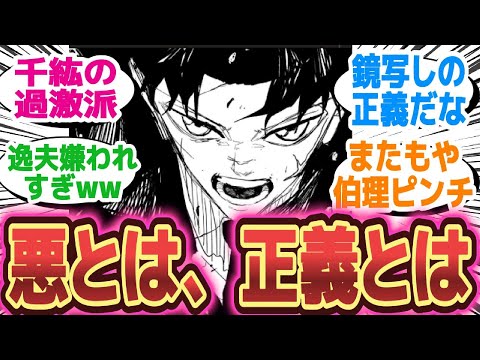
▶ Watch the original YouTube video
Kagurabachi Chapter 106: Reader Reactions to the Uncle Character Reveal the Relativity of Justice
Chapter 106 of Kagurabachi introduces Shukuen, the protagonist’s uncle, whose extreme ideology about eliminating all enemies sparks intense debate among readers. The character embodies a “broken justice” rooted in war trauma, forcing both the protagonist and audience to confront fundamental questions about morality, identity, and the nature of justice itself.
- What Happened
- Why It Matters
- Background
- Key Points
- Comparative Analysis: Similar Characters in Other Works
- The Problem of Attribute-Based Judgment
- Industry Trend: The Rise of Relative Justice
- Reader Reactions: Patterns and Implications
- Thematic Implications: The Scope of Justice
- Practical Viewing Recommendations
- Predicted Future Developments
- Conclusion: Philosophy Through Narrative
What Happened
In Kagurabachi Chapter 106, a significant character is introduced: Shukuen, the uncle of protagonist Chihiro. Shukuen presents a shocking ideology centered on the complete elimination of anyone with enemy nation blood, claiming “all enemies must be killed.” This philosophy directly contradicts Chihiro’s belief system of defeating evil and protecting the weak. The chapter escalates tension when Shiro, a character of enemy origin, faces mortal danger from Shukuen’s ideology. The confrontation forces readers to grapple with competing moral frameworks and the dangerous logic of absolute justice.
Why It Matters
This chapter represents a critical turning point in how Kagurabachi explores the concept of justice. Rather than presenting a simple villain, the series introduces a character whose ideology is logically consistent and rooted in genuine trauma. Reader responses reveal widespread recognition that Shukuen’s arguments possess internal coherence, even as they find his conclusions morally repugnant. This complexity reflects broader societal struggles with identity-based judgment, collective responsibility, and the limits of retributive justice. The chapter demonstrates how modern manga and anime increasingly grapple with moral relativism rather than absolute good versus evil.
Background
Shukuen is characterized as a war veteran whose experiences have fundamentally altered his worldview. The narrative suggests that something within him “broke” during past conflicts, transforming him from an ordinary person into someone who pursues a doctrine of total elimination based on national origin. Unlike typical antagonists motivated by personal ambition or emotional instability, Shukuen operates from what appears to be pure ideological conviction. His consistency and unwavering commitment to his principles make him distinctly threatening—not through emotional volatility, but through absolute logical certainty. This approach differs significantly from previous manga antagonists who embodied “broken justice,” such as Light Yagami from Death Note or Eren Yeager from Attack on Titan, both of whom were eventually revealed to be fundamentally wrong.
Key Points
- Shukuen’s Ideology: The uncle advocates for genocide based on national origin, claiming all enemies must be eliminated regardless of individual circumstances.
- War Trauma Foundation: His extreme views stem from past military experience where something fundamental was destroyed, suggesting psychological rather than purely ideological motivation.
- Logical Consistency: Unlike typical villains, Shukuen demonstrates unwavering commitment to his principles with no apparent internal conflict or hesitation.
- Protagonist Conflict: Chihiro’s belief in individual judgment based on personal observation directly opposes Shukuen’s attribute-based categorization system.
- Reader Ambivalence: Audience responses reveal simultaneous fear and recognition of the ideology’s internal logic, indicating the chapter successfully presents a morally complex scenario.
- Shiro’s Peril: The character of Shiro—an enemy national but individual of moral ambiguity—becomes the focal point testing both characters’ justice frameworks.
Comparative Analysis: Similar Characters in Other Works
Shukuen’s character type has appeared in other acclaimed series, though Kagurabachi’s approach proves distinctly different:
Death Note’s Light Yagami: Light pursues a simple ideology: “criminals deserve death.” His character arc reveals this thinking as fundamentally flawed, and he is ultimately defeated. However, Light is portrayed as emotionally driven and increasingly unstable. Shukuen, by contrast, maintains perfect emotional control and logical consistency.
Attack on Titan’s Eren Yeager: Eren’s “complete enemy annihilation” philosophy parallels Shukuen’s ideology on the surface. However, the series ultimately frames Eren’s approach as incorrect. Kagurabachi leaves Shukuen’s ideological correctness deliberately ambiguous, creating greater moral uncertainty.
Code Geass’s Lelouch: Lelouch pursues “ends justify the means” philosophy, demonstrating logical persuasiveness throughout his narrative. Like Shukuen, Lelouch’s arguments possess internal coherence. However, Lelouch’s motivation includes personal ambition, whereas Shukuen appears driven purely by ideological conviction.
Violet Evergarden: Violet, another war veteran, responds to trauma by pursuing human connection and emotional growth. Shukuen takes the opposite path, pursuing war logic to its absolute extreme. This contrast demonstrates how identical circumstances can produce radically different character outcomes.
The Problem of Attribute-Based Judgment
Central to reader analysis is the distinction between two judgment systems. Chihiro employs individual assessment based on direct observation: he evaluates people based on what he personally witnesses. Shukuen employs attribute-based categorization: he judges people based on their national origin, treating all members of an enemy nation as inherently dangerous.
This distinction carries profound implications. Shukuen’s logic possesses undeniable force: enemy nationals did kill his people during war. From his perspective, the “blood logic” of national identity creates permanent enmity. However, this framework eliminates individual moral agency and redemptive possibility. Reader comments reveal recognition of this danger: “What about people who have committed crimes but experienced genuine change?” This question exposes the fundamental flaw in pure attribute-based judgment.
The scenario with Shiro exemplifies this tension. Shiro is objectively an enemy operative who has killed. Yet Chihiro chooses to save him based on personal interaction and observed character. This choice represents not emotional weakness but methodological commitment to individual assessment over categorical judgment.
Industry Trend: The Rise of Relative Justice
Over the past five years, anime and manga increasingly explore “relative justice” as a central theme. Series like Jujutsu Kaisen and Attack on Titan conclude by questioning whether absolute justice exists. This trend reflects real-world complexity: modern audiences recognize that simple good-versus-evil frameworks inadequately describe reality.
Kagurabachi’s treatment of Shukuen represents the cutting edge of this trend. He is neither a traditional villain nor a misunderstood hero, but rather a character who embodies the logical endpoint of one coherent justice philosophy. The series asks: what happens when someone pursues a logically consistent but morally problematic ideology to its absolute limit?
Reader Reactions: Patterns and Implications
Analysis of reader comments reveals several distinct response patterns:
Fear and Unease: Multiple readers describe Shukuen as “terrifying” and “unsettling.” This reaction stems from his complete emotional consistency—he displays no hesitation, doubt, or humanity-revealing vulnerability. Unlike characters who struggle with their convictions, Shukuen’s absolute certainty creates an inhuman quality.
Logical Recognition: Readers acknowledge that Shukuen’s arguments possess internal coherence. Comments like “he’s not wavering” and “it’s clear this must be done” indicate audience recognition that his ideology is not emotionally driven but logically constructed.
Sympathy for Shiro: Readers increasingly express concern for Shiro’s fate, recognizing that from a civilian perspective, Shiro poses minimal threat despite enemy origin. This response demonstrates reader acceptance of Chihiro’s individual-assessment framework.
Meta-Awareness: Sophisticated reader comments recognize the chapter’s deeper purpose: exploring how attribute-based judgment operates in human society. Readers note that nationality, gender, age, and profession all function as attributes through which people unconsciously judge others.
Thematic Implications: The Scope of Justice
Kagurabachi confronts a question rarely addressed directly in popular media: where should the boundaries of justice be drawn? Most anime and manga employ simplified justice frameworks. Luffy in One Piece pursues straightforward “defeat bad guys” morality. Deku in My Hero Academia works toward a clear heroic goal. Chihiro faces a situation where such simplicity proves impossible.
The series appears to be asking: can justice based on individual observation coexist with justice based on categorical identity? Can someone who has committed crimes but experienced genuine transformation be redeemed? These questions lack simple answers, yet they form the narrative foundation of Chapter 106.
The comparison table of similar characters reveals that Kagurabachi’s approach differs fundamentally. In most works, “broken justice” ultimately fails and is defeated. In Kagurabachi, the narrative deliberately leaves unresolved whether Shukuen’s ideology is wrong, merely impractical, or perhaps even logically sound but ethically unacceptable. This ambiguity forces readers to develop their own moral frameworks rather than accepting authorial judgment.
Practical Viewing Recommendations
For readers seeking to maximize their engagement with Kagurabachi:
Read from the Beginning: Understanding Chihiro’s justice formation process is essential to appreciating Shukuen’s impact. Starting mid-series risks missing crucial character development.
Adopt Multiple Perspectives: Fully comprehending Shukuen requires temporarily adopting his viewpoint. Understanding why a war veteran might develop such ideology—without endorsing it—deepens appreciation for the narrative’s complexity.
Compare Related Works: Viewing Attack on Titan and Jujutsu Kaisen alongside Kagurabachi illuminates the series’ unique approach to moral relativism.
Engage with Reader Analysis: The YouTube comments section contains sophisticated interpretations that reveal multiple valid readings of the chapter.
Predicted Future Developments
Based on narrative structure and thematic setup, three primary scenarios appear possible:
Dialogue and Mutual Understanding: Chihiro learns Shukuen’s history, understanding how his ideology formed. Through this process, both characters’ justice frameworks evolve.
Physical Confrontation: Chihiro develops sufficient power to directly oppose Shukuen, ultimately defeating him through strength rather than argument.
Third Path Discovery: Both characters recognize their frameworks contain flaws, leading to exploration of a new justice paradigm that transcends both individual assessment and categorical judgment.
The third scenario appears most probable given Kagurabachi’s thematic focus. The series seems designed not to determine which character is “right,” but to explore whether a synthesis of their approaches might be possible.
Conclusion: Philosophy Through Narrative
Kagurabachi Chapter 106 demonstrates that the series operates as philosophical inquiry disguised as action narrative. Shukuen embodies the dangers of attribute-based judgment—the unconscious categorization that structures daily human interaction. Through this character, readers confront uncomfortable truths about how they themselves make judgments based on identity markers.
The chapter’s brilliance lies in its refusal to provide easy answers. Shukuen is neither redeemable villain nor defeated antagonist, but rather a fully realized human being whose trauma has produced a coherent but dangerous ideology. Chihiro’s commitment to individual observation offers an alternative, yet the series leaves open the question of whether this approach can truly address the legitimate grievances that created Shukuen’s worldview.
As one reader comment perfectly captures: “Chihiro must judge based on what he sees with his own eyes.” This principle forms the narrative’s moral center. Whether such individual judgment can ultimately triumph over categorical logic remains the series’ central question—and its answer will determine whether Kagurabachi achieves the status of genuine masterwork.