▶ Watch the original YouTube video
Kagurabachi Chapter 111: Reader Reactions to Samurai’s Death Analyzed
Chapter 111 of Kagurabachi shocked readers with the sudden death of a major character, but fan reactions reveal widespread confusion rather than acceptance. Analysis of YouTube comments and narrative structure suggests the character’s fate may not be as final as it appears.
- What Happened
- Why It Matters
- Background
- Key Points
- Timeline
- Perspectives
- Comparative Analysis
- Multiple Interpretations of “It Will Take a Little Longer”
- The Hiseki Inheritance Question
- Resurrection Mechanics and Narrative Possibilities
- Three Possible Future Scenarios
- Broader Manga Industry Trends
- Reader Sentiment Summary
- Insights
What Happened
In Chapter 111 of Kagurabachi, the character Samurai is killed during a final confrontation with Akira. His body completely disintegrates, leaving no remains. Before his death, Samurai utters a cryptic line: “Can we talk about what comes next? It will take a little longer.” He entrusts the weapon Hiseki to Iori in Kyoto, a decision that has sparked intense debate among readers about the future direction of the story.
Why It Matters
Samurai’s death represents a potential turning point in Kagurabachi’s narrative. The character has been central to the story’s emotional core and the relationship dynamics with protagonist Chiaki and supporting character Iori. The ambiguous nature of his death—combined with cryptic final words and the transfer of a mysterious weapon—has led readers to question whether this is truly a permanent death or a narrative setup for a later resurrection. This uncertainty reflects broader trends in contemporary manga where major character deaths are increasingly subverted or complicated.
Background
Kagurabachi has gained significant attention since its serialization began approximately two years ago. The series is praised for its sophisticated psychological character development and combat choreography. The relationship between protagonist Chiaki and Samurai has been carefully constructed throughout the narrative, drawing comparisons to similar character dynamics in Attack on Titan and Jujutsu Kaisen. Samurai’s role as a mentor and father figure to Iori adds emotional weight to his apparent demise. The weapon Hiseki, which Samurai transfers to Iori, has been established as a tool with unpredictable properties—even its creator cannot fully predict how it will manifest its abilities.
Key Points
- Abrupt Death Sequence: Samurai’s death occurs rapidly with minimal psychological buildup, contrasting with how major character deaths are typically handled in comparable manga series.
- Complete Disintegration: Unlike traditional deaths, Samurai’s body completely vanishes, leaving no physical remains—a detail that fuels resurrection theories.
- Cryptic Final Words: The phrase “Can we talk about what comes next? It will take a little longer” is interpreted by readers as either a resurrection hint, a reference to future peace for other characters, or evidence of spiritual continuation.
- Hiseki Inheritance: The transfer of the weapon to Iori raises questions about whether she will become its new contractor and whether this will force her into combat roles against her established desire for a peaceful life.
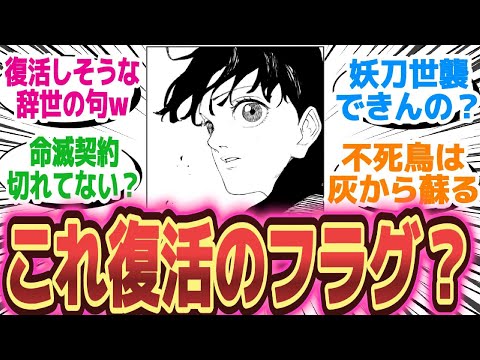
- Reader Skepticism: YouTube comments reveal widespread doubt about the permanence of Samurai’s death, with many readers citing the “death fake-out” trope common in manga.
- Narrative Inconsistency Concerns: Some readers criticize the pacing and emotional weight given to such a major character’s exit.
Timeline
- Chapter 111 Publication: Samurai is killed during the final confrontation with Akira.
- Immediate Reader Response: YouTube comments section fills with reactions ranging from grief to skepticism about the death’s permanence.
- Ongoing Speculation: Readers continue to analyze the chapter’s details and compare it to similar character deaths in other manga.
Perspectives
Acceptance Perspective: Some readers have accepted Samurai’s death as final, viewing it as a tragic but necessary narrative development. Comments like “Samurai, thank you for your hard work” reflect this acceptance, acknowledging the character’s role in the story and his final act of entrusting Hiseki to the next generation.
Resurrection Theory Perspective: A significant portion of readers believe Samurai will return, citing multiple pieces of evidence: the cryptic final words suggesting a delayed timeline, the complete disintegration (which could theoretically allow for magical resurrection), the unpredictable nature of Hiseki itself, and the established resurrection abilities of other characters in the series. This group interprets the chapter as a setup rather than a conclusion.
Narrative Criticism Perspective: Some readers question the storytelling choices, arguing that such an important character deserves more psychological depth and emotional preparation before death. They compare the scene unfavorably to how major deaths are handled in Attack on Titan and Jujutsu Kaisen, where extensive character development precedes the final moment.
Character Preservation Perspective: Readers express concern about Iori’s future, hoping she will not be forced into combat roles as Hiseki’s new contractor. This perspective prioritizes character agency and the established desire for Iori to maintain a peaceful life, viewing Samurai’s death as potentially compromising that goal.
Comparative Analysis
When compared to similar character deaths in other major manga series, Samurai’s exit stands out for its brevity and lack of extensive psychological buildup. In Attack on Titan, Commander Erwin Smith’s death is preceded by detailed exploration of his past, beliefs, and internal conflict. In Jujutsu Kaisen, Gojo’s sealing (functional death) is developed over an extended narrative arc. Samurai’s death, by contrast, occurs within a compressed timeframe, which some interpret as intentional subversion of reader expectations and others view as a narrative shortcoming.
Multiple Interpretations of “It Will Take a Little Longer”
Literal Resurrection Interpretation: Samurai will be resurrected, but the process requires time. This reading directly supports the resurrection theory.
Future Peace Interpretation: The statement refers to Chiaki, Iori, and others achieving a peaceful life after Samurai’s death. In this reading, Samurai acknowledges his death but promises that normalcy will eventually return to those he cares about.
Spiritual Continuation Interpretation: Samurai’s consciousness or soul persists within Hiseki, allowing him to exist in a different form. This interpretation aligns with similar narrative devices in Jujutsu Kaisen and Demon Slayer, where characters continue to influence the story after physical death.
The Hiseki Inheritance Question
The decision to entrust Hiseki to Iori carries significant implications. If Iori becomes the weapon’s new contractor, the narrative structure of Kagurabachi would shift fundamentally. Readers express conflicting feelings: some see this as an exciting development that elevates Iori’s role, while others worry it will force her into unwanted combat situations and compromise her established desire for a peaceful existence. This tension between narrative potential and character preservation is central to ongoing reader debate.
Resurrection Mechanics and Narrative Possibilities
Several readers reference the resurrection abilities of other characters in the series, particularly the character Fucho, whose power to revive from physical destruction has been established. Additionally, Hiseki’s unpredictable nature—described as a weapon whose abilities even its creator cannot fully predict—suggests it may possess resurrection or transformation properties. The complete disintegration of Samurai’s body, rather than traditional death, opens theoretical pathways for magical or supernatural restoration.
Three Possible Future Scenarios
Scenario 1 – Complete Physical Resurrection: Samurai returns to life through Fucho’s abilities or Hiseki’s properties. Iori’s inheritance of Hiseki becomes temporary, and she can return to her desired peaceful life. This scenario risks feeling like a narrative fake-out and may undermine the emotional weight of the chapter.
Scenario 2 – Spiritual or Partial Existence: Samurai’s consciousness persists within Hiseki, allowing continued interaction with other characters through the weapon. Iori becomes Hiseki’s contractor and can communicate with Samurai’s essence. This approach parallels how Gojo’s character continues to influence Jujutsu Kaisen after his sealing.
Scenario 3 – Permanent Death with New Direction: Samurai remains dead, and the narrative moves forward with Iori inheriting both Hiseki and the responsibility of protecting others. The phrase “it will take a little longer” refers to the time needed for the remaining characters to achieve peace and stability. This scenario represents a true narrative transition point.
Broader Manga Industry Trends
Samurai’s death reflects a broader trend in recent Jump serializations where major character deaths occur with less narrative preparation than in earlier manga eras. Series like Jujutsu Kaisen, Chainsaw Man, and Witch Watch have normalized unexpected character exits that subvert traditional death-flag conventions. This approach creates narrative tension and unpredictability but can also leave readers feeling emotionally unmoored. Kagurabachi appears to be participating in this trend, using abbreviated death sequences to generate reader uncertainty.
Reader Sentiment Summary
YouTube comments reveal three dominant reader response categories. The first group expresses grief and acceptance, acknowledging Samurai’s sacrifice and his final act of entrusting Hiseki. The second group experiences cognitive dissonance, noting the unusual narrative structure and expressing hope for resurrection. The third group critiques the pacing and emotional execution, questioning whether the chapter adequately honors such a significant character. The repeated appearance of the phrase “death fake-out” indicates readers are drawing on past manga experiences to interpret the current chapter.
Insights
Chapter 111 of Kagurabachi represents a deliberate narrative choice to create ambiguity rather than closure. Whether intentional or not, the chapter’s structure—combining an abrupt death with cryptic final words, complete body disintegration, and the transfer of an unpredictable weapon—generates more questions than answers. This ambiguity is not necessarily a flaw; it may be precisely what the author intended. The widespread reader skepticism about Samurai’s death suggests the narrative has successfully created a turning point that will define the story’s next phase.
The core tension driving reader discussion is not whether Samurai is dead, but what his death means for the remaining characters, particularly Iori. Will she be drawn into conflict, or will she find a way to maintain the peaceful life Samurai promised her? This question, more than Samurai’s fate itself, appears to be the true emotional center of the chapter. The answer will determine whether readers view Chapter 111 as a tragic but necessary transition or as a setup for a larger narrative revelation.
For readers struggling with the chapter’s impact, revisiting earlier episodes that establish Samurai and Iori’s relationship, examining the established properties of Hiseki, and comparing the narrative structure to similar character deaths in Attack on Titan and Jujutsu Kaisen may provide helpful context. However, the ultimate meaning of Chapter 111 will only become clear as the story continues to unfold.