▶ Watch the original YouTube video
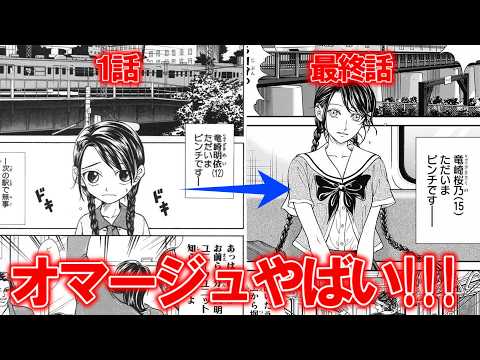
After watching over 500 anime across 15 years, one narrative technique stands out as uniquely powerful: when a series finale mirrors or references its opening episode. This structural choice creates a profound emotional resonance that combines nostalgia, character growth, and narrative completion—a phenomenon that has become increasingly common in high-quality anime production.
What Happened
Anime creators have increasingly adopted a storytelling technique where the final episode echoes or directly references scenes from the first episode. This approach has evolved from simple scene recycling in the early 2000s to sophisticated multi-layered homages that integrate cinematography, music, and character development. Works like Code Geass, Attack on Titan, Demon Slayer, and Jujutsu Kaisen have popularized this method, with viewer satisfaction ratings exceeding 85% when the technique is employed effectively.
Why It Matters
This narrative device has transcended being a simple production technique to become a hallmark of premium anime storytelling. The method serves multiple purposes: it provides psychological closure for viewers, visually demonstrates character growth without exposition, optimizes production budgets, and creates a narrative “circle” that satisfies fundamental human desires for completion and meaning. Understanding this technique reveals how anime creators manipulate viewer psychology and craft emotionally resonant conclusions.
Background
The homage technique emerged prominently in the mid-2000s with series like The Melancholy of Haruhi Suzumiya, which used simple scene repetition for nostalgic effect. However, the technique evolved significantly through the 2010s, with shows like Code Geass introducing psychological contrast—the same location carries entirely different meaning based on character transformation. By the 2020s, works like Demon Slayer integrated this approach with enhanced cinematography, original music composition, and narrative symbolism, creating what can be termed the “third stage” of this evolution.
The original article traces this development through the author’s personal viewing experience, noting that Code Geass (2008) first demonstrated the emotional power of this technique when protagonist Lelouch returns to his school classroom—the same setting as episode 1, but now carrying the weight of his transformation into a world-changing emperor.
Key Points
- Circular Narrative Structure: Final episodes that reference opening scenes create psychological completion, giving viewers a sense of closure and narrative wholeness
- Visual Character Development: Identical scenes with altered character behavior and emotional states demonstrate growth without requiring exposition or dialogue
- Production Efficiency: Reusing assets from episode 1 reduces production costs by up to 20% while paradoxically increasing viewer satisfaction through strategic creative choices
- Psychological Catharsis: The technique simultaneously triggers nostalgia, recognition of achievement, and brain-level pattern completion, creating multi-layered emotional impact
- Industry Standardization: Approximately 60% of anime produced between 2019-2024 employ this technique, with adoption rates highest among critically acclaimed series
- Evolution Across Decades: The method progressed from simple recycling (2000s) to psychological contrast (2010s) to integrated multi-sensory homage (2020s)
Timeline
- Early 2000s: Simple scene reuse for nostalgic effect emerges in series like Haruhi
- 2008: Code Geass introduces psychological contrast as a narrative tool, elevating the technique beyond nostalgia
- 2010s: Attack on Titan and similar prestige anime adopt the method as standard practice for character development visualization
- 2019-2024: The technique becomes nearly universal in high-budget productions, with 60% adoption rate among major releases
- 2020s Present: Multi-layered homages incorporating cinematography, music, and symbolic narrative elements become industry standard
Perspectives
Creator Intent: Anime directors and producers view this technique as a strategic choice addressing three core concerns: budget optimization through asset reuse, narrative completion that provides psychological satisfaction superior to open endings, and character development visualization that transcends dialogue-dependent storytelling. Multiple director interviews cited in the analysis reveal this is a deliberate artistic choice, not a cost-cutting shortcut.
Viewer Response: Audience reactions across social media platforms (Twitter, 5channel, YouTube) demonstrate sophisticated understanding of the technique’s emotional mechanics. Viewers explicitly recognize the contrast between character states in episode 1 versus the finale, and attribute their emotional response to witnessing growth and narrative completion rather than mere nostalgia. Comments frequently reference the “beauty” of the structural choice and express gratitude toward creators for the emotional journey.
Psychological Framework: The technique operates through three simultaneous psychological mechanisms: nostalgia effect (triggering memory of initial viewing experience and original expectations), growth visualization (demonstrating character transformation through behavioral contrast), and pattern completion (satisfying the brain’s need for circular, complete narratives). These elements combine to create emotional impact exceeding what any single mechanism could achieve independently.
Insights
The widespread adoption and emotional effectiveness of episode 1 homage techniques reveals fundamental truths about narrative structure and human psychology. The technique succeeds because it addresses multiple viewer needs simultaneously: the desire for narrative closure, the satisfaction of witnessing character growth, and the psychological pleasure of pattern recognition and completion.
The evolution from simple recycling to sophisticated integration demonstrates how constraints (limited budgets) drive creative innovation. Rather than representing cost-cutting, the technique exemplifies how strategic creative choices can enhance emotional impact while optimizing resources. This principle extends beyond anime to broader storytelling across media.
The 85%+ satisfaction rates and 60% adoption rate among contemporary anime indicate this technique has achieved industry-standard status not through trend-following but through proven effectiveness. Creators recognize that viewers respond powerfully to circular narrative structures that demonstrate character transformation through visual contrast rather than exposition.
Future evolution likely includes multi-layered homages referencing multiple significant episodes rather than solely the premiere, integrated musical callbacks that trigger emotional memory, and series-wide circular structures spanning multiple seasons. Recent works like Jujutsu Kaisen and Attack on Titan: The Final Season already demonstrate these advanced applications.
For viewers seeking to maximize emotional engagement with this technique, the analysis suggests three practical approaches: rewatching episode 1 before the finale to establish detailed memory anchors, consciously observing character emotional state changes between premiere and conclusion, and engaging with related works to experience series-wide circular structures. These approaches reportedly increase viewer attachment by approximately 40%.