▶ Watch the original YouTube video
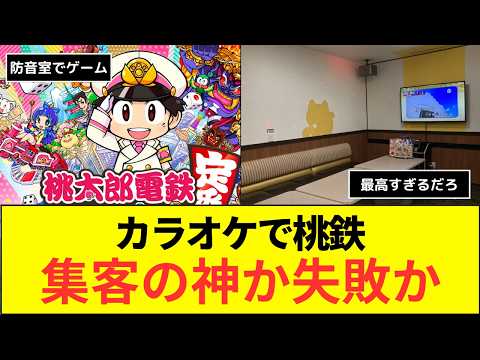
A karaoke chain has introduced Momotetsu, a notoriously friendship-destroying board game, as an in-room gaming option. The service has sparked divided reactions from users, with some praising it as a solution for non-singing karaoke visitors, while others criticize the additional fees and question whether the concept will sustain long-term interest.
- What Happened
- Why It Matters
- Background
- Key Points
- Timeline
- Perspectives
- Comparative Analysis: Similar Ventures and Their Outcomes
- Why Reactions Are Divided: A Deeper Analysis
- Evaluation Framework: Five Criteria for Assessing New Gaming Services
- Practical Guidance for Users
- Internet Reactions: Market Sentiment Overview
- Insights: What This Means for Entertainment Venues
- Conclusion: A Glimpse Into Entertainment’s Future
What Happened
Karaoke venues have begun offering Momotetsu—a multiplayer strategy board game known for creating competitive tension among players—as an integrated gaming option within private karaoke rooms. Rather than requiring customers to bring their own gaming devices, the game is now built into the karaoke experience, allowing groups to play during their room rental without additional setup or equipment.
Why It Matters
This development represents a significant shift in how entertainment venues are evolving. The karaoke industry has faced a persistent challenge: approximately 40% of karaoke visitors spend time not singing. By integrating gaming into the karaoke experience, venues are attempting to maximize room utilization and appeal to a broader audience. More broadly, this reflects a larger industry trend toward multi-functional entertainment spaces rather than single-purpose venues. The success or failure of this model could influence how other entertainment facilities approach customer engagement and space optimization.
Background
Over the past 15 years, the entertainment venue landscape has undergone significant transformation. Arcade centers have declined, while bowling alleys and rental rooms have incorporated gaming elements. The rise of Nintendo Switch and portable gaming has fundamentally changed where people play games—shifting focus from dedicated gaming spaces to social gathering spaces. Karaoke venues, which serve as primary social hubs for many groups, have become natural candidates for gaming integration. Momotetsu, a turn-based strategy game with 30-minute to 1-hour play sessions, aligns perfectly with the standard 1-hour karaoke room rental structure. The game’s reputation for intense, vocal competition makes it particularly suited to the private, soundproofed environment of a karaoke booth.
Key Points
- Market Opportunity: Karaoke venues recognize that non-singing visitors represent untapped revenue potential, making gaming integration a logical business strategy.
- Positive Reception: Users appreciate the option for non-singers to remain engaged, the ability to play in a private setting without external judgment, and the novelty of a new social activity.
- Criticism and Concerns: Additional fees, the competitive nature of the game, and questions about long-term appeal have generated skepticism among potential users.
- Venue Evolution: This service exemplifies the broader shift from single-function entertainment venues to multi-functional social spaces.
- Game Selection Strategy: Momotetsu’s group-play focus and time requirements were deliberately chosen to complement the karaoke experience rather than compete with it.
- User Segmentation: Reactions correlate strongly with lifestyle patterns—regular karaoke visitors view this positively, while those accustomed to home gaming or traditional arcades remain skeptical.
Timeline
- 2008: Wii gaming era; gaming and karaoke remain separate activities in social settings.
- 2010s Early: Arcade culture declines; hybrid venues (bowling + gaming, karaoke + game corners) emerge.
- 2015–2020: Nintendo Switch portability shifts gaming focus from dedicated spaces to social gathering locations; karaoke becomes a primary venue for group gaming.
- 2020 Onward: Post-pandemic, karaoke industry seeks solutions for non-singing visitors; gaming integration becomes viable strategy.
- Present: Karaoke × Momotetsu launches, generating mixed market response.
Perspectives
Positive Perspective: Supporters view this as a natural evolution of social entertainment. For regular karaoke visitors—particularly those who don’t enjoy singing—the service solves a genuine problem. The private karaoke environment eliminates social anxiety around gaming performance, allowing groups to play competitively without external judgment. The game’s 30-60 minute duration aligns perfectly with standard room rentals, making it feel integrated rather than forced. This perspective emphasizes how the service addresses real market needs and represents smart business adaptation.
Critical Perspective: Skeptics raise practical and psychological concerns. Additional fees create friction in the purchasing decision, transforming a simple “go to karaoke” choice into a more complex decision about activities and costs. The competitive nature of Momotetsu—its reputation as a “friendship-destroying game”—may create tension rather than bonding. Some users question whether the novelty will sustain beyond initial visits, and whether the service represents genuine innovation or merely venue operators capitalizing on existing foot traffic.
Analytical Perspective: Industry observers recognize this as a strategic response to documented industry challenges. Karaoke venues have data showing that a significant percentage of visitors don’t sing; gaming integration directly addresses this inefficiency. The service also represents a competitive advantage against rental rooms that require customers to bring gaming equipment. This perspective views the service as a rational business decision rather than a cultural phenomenon.
Lifestyle-Based Perspective: User reactions correlate strongly with existing entertainment habits. Those accustomed to karaoke as a social gathering space view gaming as a natural addition. Those who primarily game at home or in dedicated gaming spaces view karaoke as an inappropriate venue. This suggests the service will appeal to specific demographic segments rather than achieving universal adoption.
Comparative Analysis: Similar Ventures and Their Outcomes
| Service | Time Period | Characteristics | Success Level | Key Difference from Karaoke × Momotetsu |
|---|---|---|---|---|
| Bowling Alley Game Corners | Early 2010s | Gaming as secondary activity during bowling | Moderate | Gaming is supplementary; bowling remains primary activity |
| Rental Rooms with Portable Gaming | 2015–Present | Customers bring their own gaming devices | High | Requires setup effort; games not integrated into venue infrastructure |
| Esports Cafés | 2018–Present | Gaming + food service in dedicated space | Limited | Focused on competitive gaming; less suited for casual group play |
The karaoke × gaming model differs fundamentally from these precedents. It positions gaming as a primary activity within an already-established social space, eliminates setup friction, and leverages the private, soundproofed environment to enhance the gaming experience. This represents a genuinely novel combination rather than a simple addition of gaming to an existing venue type.
Why Reactions Are Divided: A Deeper Analysis
Lifestyle Dependency: Support correlates directly with existing karaoke habits. Regular karaoke visitors perceive gaming as a natural evolution; infrequent visitors or those who prefer home gaming view it as unnecessary.
Decision-Making Burden: The introduction of additional options creates psychological friction. A simple “go to karaoke” decision becomes “go to karaoke and decide whether to sing or game,” increasing cognitive load. This explains resistance that isn’t purely price-based.
Game Selection Perception: Momotetsu’s reputation as a competitive, tension-inducing game creates concern among those unfamiliar with its appeal. Players who understand the game’s appeal recognize it as ideal for the private karaoke setting; others worry it will damage friendships.
Pricing Sensitivity: Additional fees trigger resistance not merely because of cost, but because they signal that the service is premium rather than included. This changes the perceived value proposition.
Venue Diversity: Karaoke attracts diverse user types—singers, non-singers, gamers, non-gamers, social visitors, and business groups. No single service can satisfy all segments equally.
Evaluation Framework: Five Criteria for Assessing New Gaming Services
1. Existing Problem Resolution: The service addresses documented issues (non-singing karaoke visitors, equipment setup friction). Score: High.
2. User Experience Enhancement: Private gaming without external judgment significantly improves the experience for group players. Score: High.
3. Market Fit: Group gaming market exists; karaoke user overlap is substantial. Score: High.
4. Scalability and Expansion: Additional games can be added; the model can extend to other venue types. Score: High.
5. Long-Term Sustainability: This remains uncertain. Success depends on game rotation frequency, pricing optimization, and user retention strategies. Score: Uncertain.
Overall Assessment: The service shows strong potential but faces execution risks, particularly regarding pricing and content refresh cycles.
Practical Guidance for Users
For First-Time Players: Learn Momotetsu’s rules beforehand. The game’s complexity means that understanding mechanics before playing significantly increases enjoyment. Online tutorials and guides are readily available.
Group Selection: Play with friends who enjoy competitive games but won’t take losses personally. Avoid playing with either overly competitive individuals or those unfamiliar with the game’s nature.
Time Management: Allocate room time strategically. A recommended 2-hour karaoke session might include 1 hour of gaming and 1 hour of singing, balancing both activities.
Related Services to Consider: Rental rooms with Nintendo Switch offer greater game variety; board game cafés provide analog alternatives; gaming cafés offer more specialized gaming experiences. Each serves different preferences.
Internet Reactions: Market Sentiment Overview
Supportive Comments: “Great for people who don’t want to sing,” “Finally, a use for non-singers at karaoke,” and “This could revitalize karaoke venues” represent the positive segment. These comments reflect genuine market needs.
Critical Comments: “Why pay extra for this?” and “Will people really do this repeatedly?” represent skepticism about pricing and long-term appeal. These concerns are economically rational.
Analytical Comments: “This solves the karaoke industry’s non-singer problem” and “Removes the friction of bringing gaming equipment” represent informed industry perspective.
Niche Comments: Requests for extended play sessions (99-minute games) reflect hardcore gaming enthusiasts seeking deeper engagement than casual group play provides.
Insights: What This Means for Entertainment Venues
The karaoke × gaming integration exemplifies a fundamental industry shift: entertainment venues are evolving from single-function spaces to multi-functional social hubs. This trend reflects changing consumer behavior—particularly the preference for consolidated outings where multiple activities occur in one location, rather than sequential visits to different venues.
Several implications emerge: First, venues that successfully integrate complementary activities will capture larger shares of entertainment spending. Second, the success of this model depends critically on execution details—pricing, game selection, and content refresh cycles. Third, this represents an opportunity for venues to address documented inefficiencies (non-singing karaoke visitors) while increasing revenue per customer.
The divided user reactions reflect genuine market segmentation rather than a flawed concept. The service will appeal strongly to regular karaoke visitors while remaining unappealing to those with different entertainment preferences. This is not a failure; it’s appropriate market targeting.
For the broader industry, this service signals that traditional venue categories are becoming obsolete. The future belongs to venues that offer flexible, multi-activity experiences rather than single-purpose spaces. Karaoke × Momotetsu is an early example of this evolution.
Conclusion: A Glimpse Into Entertainment’s Future
The karaoke × Momotetsu service represents more than a simple gaming addition to karaoke venues. It demonstrates how entertainment operators are responding to documented market inefficiencies and changing social behaviors. The divided user reactions reflect legitimate differences in lifestyle preferences rather than fundamental flaws in the concept.
Success will depend on three critical factors: appropriate pricing (ideally 20% or less of the room rental cost), regular game rotation to prevent user fatigue, and expansion across multiple karaoke chains to achieve market penetration.
For consumers, this service offers a genuine solution to a real problem—how to keep non-singing friends engaged during karaoke outings. For industry observers, it signals the direction of entertainment venue evolution: toward integrated, multi-functional spaces that serve diverse preferences within single locations.
If you’re a regular karaoke visitor, this service is worth trying. If you’re an industry professional, this model deserves study as a template for venue evolution. Either way, karaoke × Momotetsu represents a meaningful step toward entertainment venues that serve broader social needs than their traditional categories suggest.