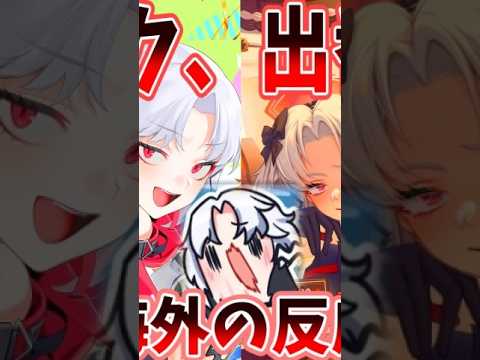
▶ Watch the original YouTube video
Why Fans Are Asking “Where Is Drake?” – Global Community Reacts to NIKKE Character Management Strategy
Overseas players of Goddess of Victory: NIKKE are increasingly questioning the limited screen time given to Drake, a high-profile antagonist character. This growing fan frustration reveals deeper questions about how game developers balance character expectations, resource allocation, and long-term player retention in globally distributed mobile games.
What Happened
Global players of Goddess of Victory: NIKKE have begun expressing frustration over the reduced appearances of Drake, a prominent villain character in the game. Across social media and fan communities, the phrase “Drake is?” has become a recurring question, with players noting that despite Drake’s high recognition and narrative importance, the character receives surprisingly limited screen time in recent story updates and events.
Fan comments reveal a pattern of disappointment: “For a villain, he’s remarkably restrained,” “I expected more from this character,” and “Shift Up is really squeezing us for everything.” These remarks suggest that players feel a disconnect between their expectations and the actual content delivery from the game’s developer, Shift Up.
Why It Matters
This situation illustrates a critical challenge in modern mobile game management: balancing character popularity with content strategy. When a character achieves high recognition among players, developers face a strategic dilemma. Do they capitalize on that popularity through frequent appearances, or do they deliberately limit screen time to maintain scarcity and heighten anticipation?
The Drake situation is particularly significant because it demonstrates that players are increasingly aware of—and skeptical about—deliberate character management tactics. When fans can perceive the strategy behind content decisions, it risks eroding trust in the developer and may accelerate player churn if expectations are not met within a reasonable timeframe.
For the broader mobile gaming industry, this represents a case study in expectation management. How developers respond to this type of fan feedback can determine whether a game maintains its player base or experiences gradual attrition.
Background
Goddess of Victory: NIKKE is a popular mobile action game that gained significant traction in international markets starting in 2023. The game features a diverse cast of characters with distinct personalities and narrative roles. Drake occupies a unique position as a well-developed antagonist whose character design and story arc have resonated strongly with overseas audiences.
Character management in live-service games typically involves strategic decisions about appearance frequency, story prominence, and event participation. These decisions are influenced by multiple factors: resource allocation, narrative pacing, new character releases, regional player preferences, and monetization strategies tied to limited-time events and gacha mechanics.
The phenomenon of reduced screen time for popular characters is not unique to NIKKE. Similar patterns have been observed in other major titles like Fate/Grand Order and Granblue Fantasy, where highly anticipated characters sometimes receive deliberately limited appearances to maintain player engagement and spending.
Key Points
- Drake’s reduced appearances have prompted repeated questions from international players about the character’s absence from recent content
- Fan feedback indicates a gap between expected narrative prominence and actual screen time, particularly given Drake’s established role as a major antagonist
- Players suspect Shift Up is intentionally limiting Drake’s appearances as a strategic decision rather than a narrative necessity
- The character’s high recognition makes the scarcity of appearances more noticeable and frustrating to the fanbase
- Fan comments reveal awareness of commercial motivations behind character management, including speculation about gacha revenue optimization
- Players remain engaged but express concern that continued absence could shift their investment from anticipation to resignation
Character Management Strategy Analysis
Mobile game developers employ several approaches to character management, each with distinct trade-offs:
The Scarcity Model: Limiting appearances creates perceived rarity and heightens anticipation. When a character finally appears, the impact is amplified. This approach maximizes engagement spikes around limited-time events and can drive spending on related gacha mechanics. However, if the scarcity extends too long, player interest can shift from anticipation to resignation.
The Consistent Presence Model: Regular character appearances maintain steady player satisfaction and investment. This approach requires more consistent content development but tends to produce higher long-term player retention. Games like Arknights have demonstrated success with this strategy.
The Quality-Over-Quantity Model: Infrequent appearances paired with significant narrative moments ensure that when a character does appear, the impact is substantial. Fate/Grand Order has employed this approach effectively, using character appearances as story turning points rather than routine content.
Based on available evidence, Drake appears to be positioned in the scarcity model, though it remains unclear whether this reflects deliberate strategy or resource constraints.
Global vs. Regional Expectations
An important distinction exists between how Japanese and international audiences evaluate characters. Overseas players tend to prioritize narrative importance and character complexity, particularly for antagonists. Drake’s appeal to international audiences stems partly from his role as a multidimensional villain rather than a simple obstacle.
This cultural difference in character appreciation may explain some of the disconnect. If Shift Up’s primary focus remains the Japanese market, where character management strategies may differ, international players could experience systematic underestimation of their expectations for characters like Drake.
Fan Psychology and Engagement Signals
The specific language used by fans provides insight into their emotional state. Comments like “I’m counting on you. Please deliver” indicate that players have not yet abandoned hope but are approaching a critical threshold. Research on fan engagement suggests that this state—where anticipation is maintained but increasingly fragile—typically lasts only a few months before shifting toward resignation.
The phrase “Shift Up is really squeezing us for everything” indicates that players perceive commercial motivation behind content decisions. When players become aware of monetization strategies, it can create cynicism that undermines the emotional investment necessary for sustained engagement.
Comparative Case Studies
Fate/Grand Order: This game manages popular characters through strategic narrative moments. Appearances are infrequent but consistently tied to major story developments, maintaining both scarcity and narrative significance. This approach has sustained player interest across multiple years.
Granblue Fantasy: This title has experienced instances where popular characters disappeared from content for extended periods (six months or longer). In some cases, this led players to shift their investment to other characters, demonstrating the limits of the scarcity model.
Arknights: This game prioritizes regular appearance opportunities for popular characters. The strategy has resulted in high player satisfaction and strong long-term retention rates, suggesting that consistent presence may outperform scarcity in maintaining engagement.
Insights
The “Drake is?” phenomenon reveals several important truths about modern mobile gaming:
Transparency of Strategy: Players have become sophisticated enough to recognize and articulate character management tactics. This awareness can undermine the effectiveness of those very tactics, as the emotional impact of scarcity diminishes when players understand it as deliberate manipulation rather than narrative necessity.
The Expectation Threshold: Character popularity creates a double-edged sword. High recognition generates a dedicated fanbase but also creates elevated expectations that become increasingly difficult to satisfy. The longer these expectations go unmet, the faster they convert from anticipation to resentment.
Regional Coordination Challenges: Global games face inherent tension between different regional player bases with distinct preferences and expectations. Drake’s significance to international audiences may not align with development priorities set by Japanese leadership, creating systematic misalignment.
Long-Term vs. Short-Term Optimization: While scarcity-based strategies can generate short-term spending spikes, they risk long-term player retention. The optimal approach likely involves balancing immediate monetization with sustained engagement, though this balance point differs by game and audience.
Trust as a Resource: When players perceive that character management decisions are driven purely by commercial optimization rather than narrative logic, it erodes the trust necessary for sustained investment. Shift Up’s response to this feedback will likely determine whether Drake’s limited appearances represent a sustainable strategy or a warning sign of broader player dissatisfaction.
For Shift Up, the critical question is not whether Drake should appear more frequently, but rather how to respond to the clear signal that current strategy is creating friction with a significant portion of the global player base. The window for course correction—before anticipation becomes resignation—is likely measured in months rather than quarters.