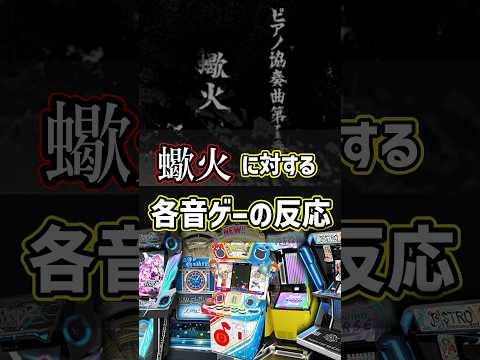
▶ Watch the original YouTube video
How Six Rhythm Games Reimagined ‘Scorpion Fire’: A Study in Musical Diversity
The song “Scorpion Fire” has been adopted across six major rhythm game titles—Nostalgia, Sound Voltex, IIDX, CHUNITHM, Dance Dance Revolution, and Pop’n Music—each offering a distinctly different interpretation. This phenomenon reveals how modern rhythm game developers balance musical integrity with platform-specific design philosophies.
What Happened
“Scorpion Fire” is a Japanese-themed composition that has been licensed and adapted across six distinct rhythm game platforms, each operated primarily by Konami. Rather than presenting an identical experience, each game reimagined the track according to its own design philosophy and mechanical constraints. The result is a case study in how a single musical composition can be transformed into six different interactive experiences while maintaining artistic coherence.
Why It Matters
This multi-platform adoption strategy represents a significant trend in the rhythm game industry: the deliberate sharing of premium compositions across titles to maximize reach while leveraging each platform’s unique strengths. Understanding how “Scorpion Fire” succeeds across such diverse contexts illuminates the maturity of rhythm game design and the sophisticated relationship between music, visual presentation, and gameplay mechanics. For players, it demonstrates that the same song can deliver entirely different emotional and mechanical experiences depending on the platform.
Background
The rhythm game industry has evolved significantly since the late 1990s, with each major title developing its own distinct identity. Nostalgia (arcade, 2009) emphasizes classical piano-based arrangements and traditional aesthetics. Sound Voltex (2012) prioritizes visual-audio synchronization and electronic sound design. IIDX (1997) maintains a club music identity rooted in dance culture. CHUNITHM (2015) targets younger audiences with accessible, pop-oriented presentations. Dance Dance Revolution focuses on step pattern design and kinesthetic engagement. Pop’n Music integrates character design with musical expression. These platforms represent different eras of rhythm game development, each with established production philosophies.
Key Points
- Nostalgia’s interpretation emphasizes the song’s Japanese aesthetic and classical piano elements, creating a refined fusion of traditional and contemporary music
- Sound Voltex’s version transforms the composition into a futuristic electronic piece with synchronized visual effects, showcasing cutting-edge technology
- IIDX’s approach reconstructs the song as dance music, optimizing BPM and rhythm patterns for club music sensibilities
- CHUNITHM’s adaptation prioritizes accessibility and pop appeal, making the traditional Japanese theme more approachable to younger players
- DDR’s implementation focuses on creative step pattern design, translating the song’s complexity into foot-based choreography
- Pop’n Music’s version integrates character design with the composition, allowing visual identity to enhance musical expression
Design Philosophy Comparison
Three primary design philosophies emerge across these platforms. The first, audio expression maximization, prioritizes sonic quality and musical completeness—exemplified by Nostalgia and IIDX. The second, visual-audio fusion, treats visual effects as equal partners to sound design, creating immersive multimedia experiences—the approach of Sound Voltex and Pop’n Music. The third, gameplay optimization, restructures musical elements to serve mechanical engagement—the strategy employed by DDR and CHUNITHM.
These philosophies are not contradictory but rather reflect each platform’s historical development. IIDX’s 1997 origins in club culture naturally led to audio-centric design. Sound Voltex’s 2012 launch coincided with advances in arcade display technology, making visual synchronization a core feature. DDR’s unique input method (dance pads) necessitates rhythm pattern innovation. “Scorpion Fire” succeeds because its structure—combining Japanese traditional elements with modern sonic production—accommodates all three approaches simultaneously.
Comparative Analysis: What Makes Scorpion Fire Unique
Not all multi-platform songs achieve this level of interpretive diversity. “Valkyrie,” another cross-platform composition, maintains thematic unity around Norse mythology, resulting in more consistent interpretations across games. “Elemental Creation” adheres strictly to a techno-pop identity, limiting variation. “Scorpion Fire” stands apart because it balances thematic consistency (Japanese aesthetic) with interpretive flexibility, allowing each platform to apply its signature style without compromising the core identity.
| Song Title | Platforms | Expression Diversity | Thematic Unity |
|---|---|---|---|
| Scorpion Fire | 6 | Very High | Moderate |
| Valkyrie | 4 | Moderate | High |
| Elemental Creation | 3 | Low | Very High |
Industry Trends and Strategic Intent
The adoption of “Scorpion Fire” across multiple platforms reflects a broader industry shift toward cross-platform song licensing. Over the past five years, Konami and other rhythm game publishers have increasingly shared premium compositions across titles, a strategy designed to maximize reach while distributing production costs. This approach assumes that excellent songs deserve exposure to the widest possible audience.
The composer’s role in this success cannot be overlooked. “Scorpion Fire” appears deliberately structured to accommodate diverse interpretations—its mid-section can function as a piano solo, a visual showcase, or a rhythmic anchor depending on context. This architectural flexibility suggests the composer anticipated multi-platform adoption during the composition phase.
Player Reception and Community Response
Social media responses reveal nuanced fan reactions. Many players express delight at experiencing a beloved song across multiple platforms, discovering new dimensions with each version. However, some players report confusion or disappointment when encountering radically different interpretations, particularly those who developed strong attachments to a specific version.
YouTube comments frequently pit versions against each other—”Nostalgia’s version is superior” versus “Sound Voltex’s interpretation is unmatched.” This competitive enthusiasm reflects genuine affection for each platform’s unique aesthetic. A minority of commenters express concern that the expression differences are too extreme, questioning whether the versions constitute the same song at all.
Practical Recommendations for New Players
For those encountering “Scorpion Fire” for the first time, begin with Nostalgia. This version most directly expresses the composition’s core identity—the Japanese aesthetic and piano craftsmanship that define the piece. Experiencing this foundation provides context for subsequent versions.
Progress to Sound Voltex next. Having internalized Nostalgia’s interpretation, the electronic reimagining becomes a revelation, demonstrating how the same melodic and harmonic content can be transformed through different production lenses. Continue with IIDX, CHUNITHM, DDR, and Pop’n Music in any order, comparing how each platform’s mechanical and aesthetic priorities reshape the experience.
Pay particular attention to difficulty ratings across platforms. Variations in difficulty assignment reveal each game’s design priorities—what one platform considers challenging, another may treat as moderate. This analysis illuminates the philosophical differences underlying each platform’s design.
Broader Implications for Rhythm Game Design
“Scorpion Fire” exemplifies the rhythm game industry’s maturation. The successful execution of this multi-platform strategy requires sophisticated understanding of musical composition, platform-specific mechanics, and audience psychology. Each development team must comprehend the song’s essential character while translating it into their platform’s language.
However, a potential risk exists: over-reliance on shared premium compositions could reduce investment in platform-exclusive content, potentially diminishing each game’s distinctive identity. The industry must balance the efficiency of cross-platform licensing with the creative necessity of platform-specific development.
“Scorpion Fire” demonstrates that this balance is achievable. The song’s success across six platforms suggests a future where rhythm games increasingly share compositions while maintaining individual identities—a model that benefits both players and developers.
Conclusion
“Scorpion Fire” represents more than a successful song; it embodies the rhythm game industry’s evolution toward sophisticated, multi-platform design thinking. By achieving both thematic consistency and interpretive diversity, the composition and its various implementations demonstrate that musical integrity and platform-specific optimization are not opposing forces but complementary objectives. For players, it offers six distinct musical experiences unified by a single artistic vision—a testament to the creative possibilities when music and interactive design converge thoughtfully.