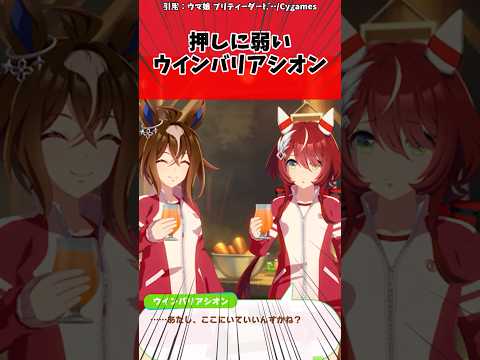
▶ Watch the original YouTube video
How Win Barrier’s Pushover Personality Triggers Trainer Psychology in Uma Musume
A viral reaction video showcasing trainers’ responses to Win Barrier, a character known for being easily swayed, reveals the psychological mechanics behind Uma Musume’s powerful fan culture. The character’s design strategically activates player emotions through vulnerability, protection instincts, and emotional investment—core elements that have made Uma Musume the pinnacle of character-driven gaming culture.
- What Happened
- Why It Matters
- Background
- Key Points
- The Psychology of Vulnerability in Character Design
- Diverse Trainer Archetypes
- Game Systems That Reinforce Emotional Investment
- Social Media and the Visibility of Fan Culture
- The Mirror Effect: Character as Self-Reflection
- Broader Implications for Game Design and Culture
- Practical Guidance for New Players
- Online Reception and Community Response
- Insights: The Essence of Modern Fan Culture
What Happened
A reaction compilation video featuring multiple trainers responding to Win Barrier, a character from Uma Musume Pretty Derby, has gained significant attention online. The video captures diverse emotional responses—laughter, embarrassment, earnest engagement—to Win Barrier’s defining personality trait: being easily persuaded or pushed around. These reactions demonstrate how a single character design element can trigger complex psychological responses across an entire player base.
Why It Matters
Win Barrier’s popularity exemplifies how modern games leverage character psychology to deepen player engagement. Unlike traditional gaming focused on mechanics alone, Uma Musume centers on emotional investment in characters. Understanding why players respond so intensely to Win Barrier reveals broader trends in gaming culture, fan behavior, and the monetization strategies of character-driven games. This phenomenon has significant implications for game design, community building, and digital culture in the social media age.
Background
Uma Musume Pretty Derby is a mobile game that reimagines famous racehorses as female characters with distinct personalities and story arcs. Since its 2021 launch, the game has cultivated an exceptionally strong fan culture centered on “oshi” (favorite character) support. Unlike traditional games where character preference is secondary to gameplay, Uma Musume has elevated character fandom to a primary cultural phenomenon. Win Barrier stands out as a particularly “easy to support” character due to her vulnerability and dependence on trainer guidance—a design choice that activates specific psychological triggers in players.
Key Points
- Win Barrier’s “easily persuaded” personality trait directly stimulates trainer protective instincts and desire to nurture, creating emotional investment beyond standard gameplay
- Multiple trainer reactions reveal diverse fan archetypes: protective caregivers, character appreciators, and those seeking a sense of control—all satisfied by the same character design
- The game’s training system integrates random events and branching choices that reinforce the feeling that trainers are personally shaping the character’s growth and destiny
- Social media amplifies fan culture by making personal preferences visible and shareable, transforming individual fandom into competitive community status
- Win Barrier’s vulnerability creates a psychological loop of responsibility and reward: trainers feel obligated to guide her, then experience satisfaction when succeeding
- The character design generates a sense of exclusivity—trainers believe they uniquely understand and can help Win Barrier, strengthening emotional attachment
The Psychology of Vulnerability in Character Design
Win Barrier’s defining trait—being easily swayed—is not a minor personality quirk but a carefully engineered psychological mechanism. Characters with weaknesses trigger stronger emotional responses than invincible ones. The “easily persuaded” attribute activates two simultaneous psychological drives: the desire to protect and the desire to guide. Trainers experience a sense of responsibility (“I must help this character”) combined with a sense of superiority (“I can guide her correctly”). This combination creates powerful emotional bonds that transcend typical game engagement.
Comparatively, other popular characters like FGO’s Mash Kyrielight operate on similar mechanics—absolute trust in the player creates a reciprocal desire to fulfill that trust. Win Barrier achieves this through a different vector: her weakness invites intervention, making trainers feel uniquely capable of helping her succeed.
Diverse Trainer Archetypes
The reaction video reveals that Win Barrier appeals to multiple player psychology types, each finding different satisfaction in the same character:
The Protector Type: These trainers feel responsibility for Win Barrier’s wellbeing. They respond seriously to her uncertainty, viewing their role as genuinely important to her success. This archetype is driven by nurturing instincts and finds satisfaction in providing guidance.
The Admirer Type: These trainers appreciate Win Barrier’s charm and personality for its own sake. They respond with affection and amusement, enjoying her character without necessarily seeking to “fix” her. Their motivation is aesthetic appreciation rather than protective duty.
The Controller Type: While less openly discussed, some trainers derive satisfaction from the fact that Win Barrier responds to their direction. The game mechanic of player choice affecting character outcomes satisfies a desire for agency and influence. This is a documented pattern in game psychology and is neither unusual nor inherently problematic.
Game Systems That Reinforce Emotional Investment
Uma Musume’s training system is deliberately designed to deepen character attachment. Unlike traditional horse racing games (Derby Stallion, Racing Legend), Uma Musume prioritizes relationship-building over pure numerical optimization. Key systems include:
Random Training Events: During training, unpredictable events occur that reflect the character’s personality. Win Barrier’s events showcase her uncertainty and need for reassurance, forcing trainers to actively engage with her emotional state rather than passively managing stats.
Choice-Based Branching: Trainer decisions during training affect character development. This creates the psychological sensation that trainers are literally shaping the character’s life path—a powerful emotional anchor that transforms gameplay into personal responsibility.
Deep Character Narratives: Main story sequences explore character psychology and background. Win Barrier’s story presumably explains the origins of her vulnerability, providing narrative justification for her personality and deepening player understanding.
Social Media and the Visibility of Fan Culture
Reaction compilation videos like the Win Barrier example would not exist without social media infrastructure. Fan culture has evolved from private enjoyment to public, shareable identity. On platforms like Twitter, supporting a specific character becomes a social statement and community marker. This visibility creates several effects:
Escalation of Support: Seeing other trainers’ intense support for Win Barrier motivates individual players to deepen their own engagement. What begins as casual preference can evolve into serious investment through social comparison.
Community Identity Formation: Declaring oneself a “Win Barrier supporter” creates in-group belonging with other supporters while distinguishing oneself from supporters of other characters. This identity formation strengthens emotional attachment to the character.
Competitive Fandom: Social media inadvertently gamifies fan support. Trainers compete to demonstrate deeper knowledge, more extensive collections, or higher training achievements. This competition deepens engagement with the character.
The Mirror Effect: Character as Self-Reflection
The most profound aspect of Win Barrier’s appeal may be psychological projection. Many trainers likely see aspects of themselves in her vulnerability. In modern society, most people experience moments of uncertainty and dependence on others’ guidance. Win Barrier’s character reflects this universal human experience. By supporting her, trainers metaphorically support themselves—they experience their own growth through her character development. This self-reflection transforms fandom from external appreciation into internal psychological work.
Broader Implications for Game Design and Culture
Uma Musume represents a significant shift in game industry philosophy. Traditional games prioritized mechanical depth and challenge. Uma Musume prioritizes emotional engagement and character attachment. This shift reflects broader cultural changes: the normalization of fan culture, the rise of social media as identity platforms, and the recognition that emotional investment drives sustained engagement and monetization more effectively than mechanical complexity alone.
Win Barrier exemplifies this new design paradigm. She is not mechanically unique or strategically superior to other characters. Her value lies entirely in her psychological appeal and narrative depth. Her popularity validates the industry-wide trend toward character-centric game design.
Practical Guidance for New Players
For players interested in supporting Win Barrier, several approaches maximize engagement:
Engage with Main Story: Understanding Win Barrier’s narrative background provides foundation for deeper appreciation and support.
Attend to Training Events: Reading training events carefully reveals how her personality manifests in gameplay, deepening character understanding.
Join Online Communities: Searching Win Barrier hashtags on social platforms connects players with other supporters, amplifying engagement through shared enthusiasm.
Collect Related Merchandise: Physical or digital collectibles transform abstract fandom into tangible expression, strengthening emotional investment.
Avoid Comparative Fandom: Evaluating Win Barrier against other characters diminishes appreciation. Recognizing her unique appeal as independent value maximizes satisfaction.
Online Reception and Community Response
Social media analysis reveals consistent response patterns. Comments frequently emphasize Win Barrier’s cuteness and vulnerability as primary appeal factors. Gameplay-focused comments highlight the satisfaction of training her specifically. Notably, many comments reference spending money (“gacha” pulls or battle pass purchases) specifically to support Win Barrier—demonstrating that character attachment directly drives monetization.
These responses confirm that Win Barrier activates multiple simultaneous psychological mechanisms: aesthetic appreciation, gameplay satisfaction, and identity expression through financial commitment.
Insights: The Essence of Modern Fan Culture
Win Barrier’s popularity reveals that contemporary fan culture transcends simple character preference. Fandom functions as psychological self-expression and personal growth metaphor. When trainers support Win Barrier, they are not merely appreciating a fictional character—they are engaging in guided self-reflection. Her vulnerability becomes a mirror for player vulnerability; her growth becomes a proxy for player aspiration.
Uma Musume’s design brilliance lies in recognizing this psychological dynamic and systematizing it through game mechanics. Training systems, narrative depth, and social media integration all reinforce the core psychological mechanism: emotional investment in character growth as proxy for personal growth.
Win Barrier exemplifies how modern games function not merely as entertainment but as psychological tools for self-understanding and community belonging. Her “easily persuaded” personality is not a character flaw but a design feature that invites player participation in a shared narrative of growth and mutual support. This represents a fundamental evolution in how games engage players—not through challenge or competition, but through emotional resonance and psychological identification.