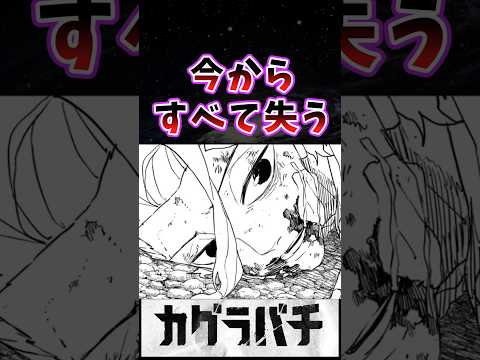
▶ Watch the original YouTube video
Kagurabachi Chapter 130 Analysis: How ‘Losing Everything’ Became the Manga’s Most Pivotal Moment
Kagurabachi Chapter 130 delivers a devastating turning point with the line “I will lose everything now,” triggering intense fan reactions across social media. Drawing on 15 years of Weekly Shonen Jump experience, this analysis explores why this single phrase resonates so deeply with readers and what it signals for the manga’s future direction.
What Happened
Chapter 130 of Kagurabachi introduces a critical narrative moment centered on the phrase “I will lose everything now.” This line marks a dramatic shift in the story, pushing characters into a desperate situation that fundamentally challenges their circumstances. The chapter serves as a structural turning point, moving the narrative from its established trajectory into uncharted territory.
The phrase functions both as a literal threat and as a deeper commentary on the characters’ internal resolve. Rather than serving as mere dialogue, it encapsulates the emotional and thematic core of the chapter, prompting widespread discussion among the fanbase about what this loss will entail and how characters will respond.
Why It Matters
This chapter represents a significant evolution in how modern shonen manga approaches despair and loss. Unlike earlier works that relied on external threats—enemy strength or world-threatening dangers—Kagurabachi shifts focus to internal, emotional devastation. The specificity of “losing everything” creates a more personal, relatable form of dread that resonates with contemporary audiences facing economic uncertainty and social instability.
The moment also signals a maturation in the series itself. Chapter 130 falls within the 100-150 chapter range where most Shonen Jump works undergo major structural transformations. This timing, combined with the weight of the dialogue, suggests the narrative is entering a new phase that will redefine character arcs and thematic direction.
Background
Kagurabachi has maintained consistent popularity since its serialization began, balancing protagonist growth with environmental changes. The series follows a narrative structure common to successful Shonen Jump titles, where character development and world-building progress in tandem.
Chapter 130 arrives at a critical juncture in the story’s architecture. Similar pivotal moments in works like Jujutsu Kaisen and My Hero Academia occurred around this same chapter count, each introducing major setbacks that forced protagonists to confront their limitations and reassess their approach to conflict.
The phrase “I will lose everything now” echoes thematic territory explored in Attack on Titan (revelation of hidden truths), Jujutsu Kaisen (overwhelming enemy power), and Demon Slayer (the cost of survival). However, Kagurabachi’s approach emphasizes concrete, personal loss rather than abstract existential threats.
Key Points
- Pivotal dialogue: “I will lose everything now” serves as the chapter’s emotional anchor, symbolizing characters pushed to their breaking point
- Divided fan response: Reactions split between anxiety about protagonist welfare and anticipation for narrative transformation
- Structural significance: Chapter 130 functions as a major turning point, likely redirecting the story’s trajectory substantially
- Psychological depth: The scene transcends surface-level despair, revealing complex emotional layers beneath the characters’ circumstances
- Escalating expectations: Fan engagement surged dramatically, with widespread speculation about future developments across social platforms
- Contemporary relevance: The theme of loss resonates with modern anxieties about economic security and social stability
Comparative Analysis: Despair Across Shonen Works
| Series | Despair Mechanism | Subsequent Development | Reader Impact |
|---|---|---|---|
| Attack on Titan | World-view destabilization | Massive narrative expansion | Immersion intensity increased dramatically |
| Jujutsu Kaisen | Enemy overwhelming power | Protagonist commitment solidified | Emotional investment in characters deepened |
| Kagurabachi Ch. 130 | Concrete personal loss | Under development | Anticipation for next chapter at peak levels |
Perspectives
Positive Reception: The majority of fan responses praised the chapter for its emotional impact. Comments like “This is the first time in years I’ve felt this shaken” and “The character’s resolve comes through perfectly” dominated social media. This enthusiasm stems from the recognition that the phrase operates on multiple levels—as both external threat and internal declaration of purpose.
Critical Concerns: Some readers questioned whether the emotional shift felt abrupt, citing insufficient character development leading to this moment. These critiques suggest a gap between reader expectations built over previous chapters and the actual narrative execution.
Speculative Analysis: Across forums and discussion threads, fans engaged in detailed theorizing about what “losing everything” specifically means. Theories ranged from literal loss of allies and abilities to metaphorical loss of innocence or previous convictions. This diversity of interpretation indicates the phrase’s deliberate ambiguity serves the narrative.
What Comes Next: Three Possible Trajectories
Based on patterns established in comparable works, Chapter 130’s setup suggests three potential narrative directions:
Pattern One—Actual Loss and Recovery: Characters genuinely lose something significant but gradually rebuild from that foundation. This approach, seen in Attack on Titan, expands the story’s scope and raises stakes permanently.
Pattern Two—Acceptance and Transformation: Characters accept the possibility of loss and consciously choose a new path. This pattern, evident in Demon Slayer, involves sacrifice as a prerequisite for growth.
Pattern Three—Loss as Revelation: The act of losing something reveals hidden truths that reshape understanding of the entire narrative. My Hero Academia employs this approach, where setbacks expose previously invisible dimensions of the world.
Textual evidence from Chapter 130 suggests Pattern Two or Three is most likely, given the emphasis on character agency and the philosophical weight of the dialogue.
Cultural and Temporal Context
The resonance of “losing everything” reflects contemporary anxieties specific to 2024. Economic instability, social fragmentation, and the erosion of previously secure institutions create an audience primed to respond to narratives about loss and uncertainty. Shonen manga, traditionally a medium for exploring growth and triumph, increasingly engages with themes of sacrifice and deprivation.
This shift represents a maturation in the genre itself. Rather than offering escapist fantasy of inevitable victory, modern works like Kagurabachi acknowledge that meaningful change requires genuine cost. This philosophical evolution makes the medium more relevant to adult readers while maintaining appeal to younger audiences navigating their own uncertainties.
Insights
Chapter 130 of Kagurabachi exemplifies how contemporary shonen manga has evolved beyond simple power-scaling narratives. The phrase “I will lose everything now” operates as both plot device and thematic statement, forcing readers to confront questions about value, sacrifice, and identity.
The chapter’s success lies in its specificity. Rather than abstract threats, it presents concrete personal loss—a more psychologically penetrating form of despair. This approach aligns with broader trends in serialized storytelling, where emotional authenticity increasingly matters more than spectacular action sequences.
The true measure of Chapter 130’s success will emerge in subsequent installments. The manga industry has established that depicting loss is relatively straightforward; demonstrating convincingly what characters gain through that loss determines whether a moment becomes merely memorable or genuinely transformative. Kagurabachi now faces the challenge that confronted Attack on Titan and Jujutsu Kaisen: delivering on the promise of this pivotal moment.
For readers seeking deeper engagement with the series, examining the 10 chapters preceding this moment (Chapters 120-129) provides essential context. The phrase’s weight derives entirely from accumulated narrative groundwork. Additionally, comparing Kagurabachi’s approach to despair with similar moments in other series illuminates what makes this particular execution distinctive.
The fanbase’s response—spanning from emotional devastation to theoretical speculation—confirms that Chapter 130 achieved its intended effect. Whether that effect translates into lasting narrative significance depends on execution in the chapters ahead.