▶ Watch the original YouTube video
Gundam SEED FREEDOM: Character Reactions and Deep Analysis of Freedom’s Philosophical Core
Gundam SEED FREEDOM explores the psychological depths of protagonist Kira Yamato and antagonist Rau Le Creuset through their confrontation about the nature of free will, choice, and destiny. After 15 years of anime analysis, this film represents a watershed moment in the franchise, presenting philosophical questions about whether human choice is truly free or merely predetermined by genetics and circumstance.
What Happened
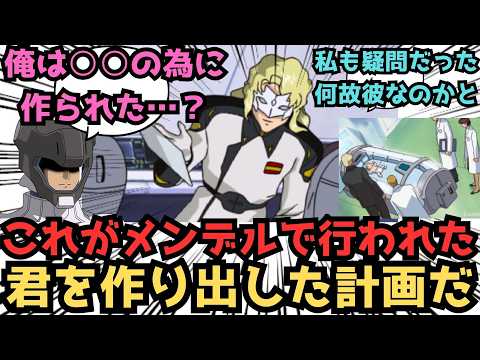
Gundam SEED FREEDOM reunites Kira Yamato with Rau Le Creuset on the battlefield, where the two engage in profound dialogue about freedom and choice. The film reveals Rau’s identity as a clone and explores the Destiny Plan—a comprehensive scheme to genetically engineer humanity and establish separate colonies for Coordinators. Through these narrative elements, the film interrogates whether individuals possess genuine autonomy or whether their choices are predetermined by their genetic makeup and past experiences.
Why It Matters
After a 20-year gap since the original Gundam SEED series, FREEDOM demonstrates significant evolution in character depth and thematic complexity. The film transcends typical anime storytelling by grounding its narrative in genuine philosophical inquiry—specifically the tension between determinism and free will. This approach resonates with contemporary concerns about algorithmic influence, genetic engineering, and personal autonomy in modern society. The work represents a pinnacle of recent anime’s engagement with existential themes, positioning itself alongside acclaimed philosophical anime such as Neon Genesis Evangelion and Code Geass.
Background
Gundam SEED premiered in 2002-2003, followed by Gundam SEED DESTINY (2004-2005). These series introduced the conflict between Naturals and Coordinators—genetically enhanced humans—and established Kira Yamato as a reluctant warrior struggling with the ethics of combat. Rau Le Creuset emerged as a complex antagonist whose motivations remained ambiguous. FREEDOM serves as a continuation set approximately 20 years later, revisiting these characters with mature perspectives on the philosophical questions that defined their earlier struggles.
The original series aired during a period when anime was increasingly exploring psychological complexity. Kira’s character was sometimes criticized as indecisive, but FREEDOM recontextualizes this trait as evidence of genuine philosophical contemplation rather than weakness.
Key Points
- Kira’s Existential Crisis: Kira confronts the fundamental question of whether his choices are truly his own, given that his body, mind, and genetic predispositions were shaped by factors beyond his control.
- Rau’s Identity and Agency: As a clone, Rau asserts that despite his artificial origins, his anger and actions remain authentically his own—a claim rooted in existentialist philosophy.
- The Destiny Plan: A comprehensive genetic engineering initiative designed to eliminate conflict by predetermining human capabilities and roles, raising questions about whether such predetermined peace constitutes genuine salvation or merely a new form of control.
- Physical Separation vs. Ideological Resolution: The plan’s proposal to establish separate colonies for Coordinators represents a staged escalation from physical separation to genetic redesign, each stage deepening rather than resolving underlying tensions.
- Philosophical Alignment: Both Kira and Rau grapple with identical questions about free will, suggesting their conflict may ultimately transcend simple hero-versus-villain dynamics.
- Contemporary Relevance: The film’s exploration of predetermined choice mirrors modern concerns about algorithmic influence, social conditioning, and the illusion of autonomy in contemporary life.
Thematic Analysis
Free Will and Determinism
FREEDOM’s central philosophical tension emerges from Kira’s monologue: “I chose to be on this battlefield, and I’m the one pulling the trigger—but I don’t feel reluctant to fight. I feel better fighting. Whose body and mind is this?” This statement encapsulates the paradox of free will. Kira believes he exercises choice, yet his genetic engineering, his past experiences, and his enhanced combat capabilities all constrain the range of possible choices available to him. The film suggests that freedom may be illusory when the agent making the choice is fundamentally shaped by forces beyond their control.
This philosophical framework parallels Jean-Paul Sartre’s concept of “existence preceding essence.” Rau claims that regardless of his status as a clone—his predetermined essence—his actions and emotions in the present moment define his authentic existence. Yet the film complicates this assertion by questioning whether even this present-moment agency is genuine or merely the inevitable expression of his genetic programming.
Rau Le Creuset: The Clone’s Paradox
Rau’s revelation as a clone introduces the question of identity and authenticity. He asserts: “Even if what I see is the original Coty, the fact that I burned down that mansion that day was my will.” This statement attempts to establish agency independent of origin. However, the film suggests a deeper tragedy: Rau’s anger itself may be implanted, his motivations artificially constructed. His insistence on claiming ownership of his emotions becomes a desperate assertion of selfhood against the possibility that even his inner life is manufactured.
This characterization echoes philosophical questions raised in Ghost in the Shell (1995) regarding the nature of consciousness and individuality. If a being is created with predetermined emotions and memories, can those emotions be considered authentically theirs? Rau’s arc suggests that the answer may be irrelevant—what matters is that he experiences them as real.
The Destiny Plan: Salvation or Control?
The Destiny Plan represents an escalation from previous attempts at conflict resolution. Initial proposals involved physical separation—establishing L5 colonies for Coordinators. However, this approach failed to address the underlying ideological conflict. The Destiny Plan instead proposes to eliminate conflict at its source by genetically engineering humanity according to predetermined specifications.
This concept raises a critical question: Is predetermined peace achieved through genetic engineering genuine salvation, or merely a more sophisticated form of oppression? The film suggests that even if such a plan succeeded in eliminating conflict, it would do so by eliminating human autonomy itself. The irony is profound: in attempting to solve the problem of human suffering through the elimination of choice, the plan would eliminate the very capacity for freedom that gives human existence meaning.
Comparative Context
FREEDOM’s philosophical approach aligns with recent anime trends exploring fundamental questions about human nature and agency. Works such as Attack on Titan (2013-2023), Vivy: Fluorite Eye’s Song (2021), and 86 (2021-2022) similarly interrogate the nature of freedom and the criteria by which human value is determined. FREEDOM represents the culmination of this trend, synthesizing decades of thematic exploration into a mature meditation on choice and destiny.
The film’s engagement with existentialist philosophy also connects it to earlier landmark works. Like Neon Genesis Evangelion (1995), FREEDOM forces its protagonist to confront uncomfortable truths about the nature of his own agency. Like Code Geass (2008), it explores how the pursuit of freedom through extraordinary power paradoxically leads to enslavement.
Viewer Reception
Online responses to FREEDOM have emphasized the emotional and intellectual weight of its dialogue. Many viewers report needing to rewatch scenes to fully process Kira’s philosophical monologues. The revelation of Rau’s true nature generated significant discussion among longtime franchise fans, with many noting that the film recontextualizes his character arc across the entire series.
Positive reception has centered on the film’s refusal to provide easy answers. Rather than resolving the tension between free will and determinism, FREEDOM deepens the inquiry, forcing viewers to confront these questions in their own lives. Some viewers noted difficulty with the complexity of the dialogue, reflecting the film’s positioning as philosophical inquiry rather than conventional entertainment.
Insights
FREEDOM’s significance extends beyond its status as a franchise continuation. The film represents a mature engagement with questions that have haunted the Gundam SEED series since its inception: What does it mean to choose? Can choice be free if the chooser is genetically predetermined? Is a life of imposed peace preferable to a life of genuine freedom with its attendant suffering?
The film’s treatment of these questions suggests that the answers may be irrelevant compared to the act of asking. Both Kira and Rau, despite their opposing positions, share a commitment to asserting their agency in the face of forces that would deny it. Their conflict may ultimately represent not a clash between hero and villain, but rather two individuals struggling against the same system of control, each proposing different resistance.
FREEDOM also reflects contemporary anxieties about autonomy in an age of algorithmic influence and genetic technology. Like Kira questioning whether his choices are truly his own, modern individuals navigate environments designed to shape their decisions. The film’s philosophical framework provides a vocabulary for examining these contemporary concerns through the lens of speculative fiction.
The ultimate implication of FREEDOM is that the question of free will may be less important than the commitment to acting as though freedom exists. In this sense, the film aligns with existentialist thought: humans are condemned to be free, and this freedom consists precisely in the act of choosing, regardless of whether that choice is ultimately determined or autonomous.