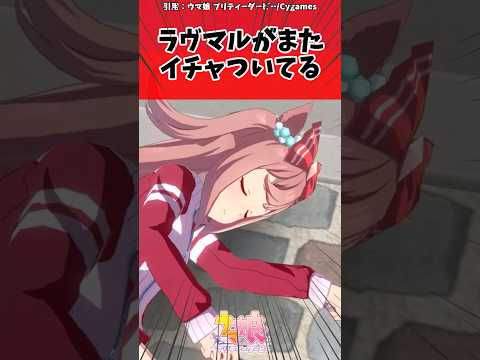
▶ Watch the original YouTube video
How Uma Musume Trainers React to Lavmal’s Romantic Moments: A Deep Dive into Fan Culture and Character Relationships
The “Lavmal” phenomenon in Uma Musume Pretty Derby—where the characters Love Live and Marzensky frequently appear in romantic scenes together—has sparked complex emotional reactions from players. This analysis explores why trainers experience conflicting feelings about character pairings, examining the psychology of fan culture, game design strategy, and the broader implications for mobile gaming communities.
What Happened
Starting in 2023, Uma Musume Pretty Derby’s development team began emphasizing romantic interactions between the characters Love Live and Marzensky, a pairing fans call “Lavmal.” As these intimate scenes appeared repeatedly across multiple in-game events, trainers (players) displayed increasingly complex emotional responses ranging from enthusiasm to frustration. The phenomenon has become a significant point of discussion across social media platforms and gaming communities, revealing deeper tensions within the game’s fan culture.
Why It Matters
The Lavmal phenomenon represents a critical intersection between game design strategy and player psychology in the mobile gaming industry. It demonstrates how character relationship development can simultaneously strengthen engagement and create community division. Understanding this dynamic is essential for game developers, community managers, and players seeking to navigate the increasingly complex landscape of fan culture in live-service games. The situation also raises important questions about player agency, narrative control, and the psychological investment players make in digital characters.
Background
Uma Musume Pretty Derby is a mobile breeding and racing simulation game that launched in 2021. The game combines competitive gameplay with deep character storytelling, creating a strong foundation for fan attachment. Since 2023, the development team has pursued a strategy of increasing inter-character interactions to deepen the game world’s narrative complexity. This approach differs significantly from other popular titles in the genre, which typically offer players greater control over character relationship development or distribute focus across multiple character pairings.
The Lavmal pairing specifically gained prominence following the introduction of Love Live as a major story character in mid-2023. Her interactions with Marzensky, an established character in the game’s roster, were deliberately emphasized across multiple events. By 2024, this pairing had become one of the most discussed elements of the game’s community.
Key Points
- Repeated Romantic Content: Love Live and Marzensky’s intimate scenes appear frequently across game events, creating consistent narrative emphasis on their relationship.
- Trainer Emotional Complexity: Players experience simultaneous feelings of joy and jealousy regarding their favorite characters’ romantic involvement with others.
- Community Division: Social media and in-game discussions reveal sharp disagreement between supporters and critics of the Lavmal pairing.
- Developer Strategy: The development team intentionally strengthens character interactions to enhance narrative depth and player engagement.
- Psychological Ownership: Many trainers unconsciously view their favorite characters as personal possessions, creating stress when those characters develop relationships with others.
- Industry Trend: Character relationship emphasis has become a widespread strategy across mobile games since 2021, driven by efficiency and engagement metrics.
Timeline
- 2021: Uma Musume Pretty Derby launches, establishing strong character-focused gameplay and storytelling.
- Mid-2023: Love Live introduced as a major story character; initial pairings with Marzensky begin appearing in events.
- August 2023: Summer event features prominent Lavmal romantic scenes, marking the beginning of widespread community discussion.
- Late 2023–Early 2024: Lavmal scenes multiply across multiple events; community reactions intensify on social media platforms.
- February 2024: “#Lavmal” trends on Twitter following a major event; community debate reaches peak intensity.
Perspectives
Supporter Perspective (approximately 40% of community): Players who embrace the Lavmal pairing view the romantic scenes as compelling character development. These trainers typically maintain multiple favorite characters and appreciate the narrative depth created by inter-character relationships. They see Lavmal as a well-executed story arc that enriches the game world’s complexity.
Critical Perspective (approximately 35% of community): Players who oppose the emphasis on Lavmal express concern about psychological ownership and narrative control. These trainers often maintain a single primary favorite character and experience the romantic scenes as emotionally distressing. They argue that the development team should distribute focus across multiple character pairings rather than concentrating on one relationship.
Nuanced Perspective (approximately 25% of community): A growing segment of players acknowledges both the quality of Lavmal’s storytelling and concerns about the development team’s strategy. These trainers appreciate the scenes themselves but question whether the concentrated focus on one pairing serves the broader game community’s interests. They advocate for parallel development of multiple character relationships.
Developer Perspective: The development team views character relationship emphasis as a strategy to enhance narrative immersion and increase player engagement. This approach offers efficiency benefits by allowing single scenarios to develop multiple characters simultaneously. Additionally, community discussion about character pairings generates organic social media engagement and marketing value.
Comparative Analysis with Other Games
Uma Musume’s approach to character relationships differs notably from other popular mobile titles:
Idolmaster Cinderella Girls (2015): This game experienced similar fan culture tensions but mitigated them through a gacha system that naturally encouraged players to invest in multiple characters. The game’s design premise assumed players would maintain multiple favorites, reducing psychological stress when specific pairings appeared.
Granblue Fantasy (2019): This title offers players multiple narrative routes and choice-based storytelling, allowing them to influence character relationship development. This design philosophy grants players greater narrative agency, reducing the sense of imposed storylines.
Fate/Grand Order (2020+): With an enormous character roster and complex relationship networks, this game’s player base typically maintains multiple favorites. The distributed focus across many characters prevents intense emotional investment in specific pairings.
Psychological Dimensions
Ownership and Exclusivity: Players unconsciously develop a sense of ownership regarding their favorite characters through the trainer-character relationship. This psychological bond creates an expectation of exclusivity, making romantic scenes involving other characters feel like a violation of personal territory.
Self-Projection and Idealization: The trainer role enables players to project themselves into the game world. Favorite characters often represent idealized relationship partners or companions. When these characters develop romantic relationships with others, players experience this as a disruption of their idealized narrative.
Narrative Agency: Players in story-focused games seek “narrative sovereignty”—the sense that the story unfolds according to their choices. Uma Musume’s limited player choice in character storylines creates a sense of powerlessness when predetermined relationships are presented without alternative options.
Industry Strategy and Business Implications
The emphasis on character relationships serves multiple business objectives for mobile game developers:
Development Efficiency: Multi-character scenarios allow developers to advance multiple characters’ narratives simultaneously, reducing production costs per character.
Extended Player Engagement: Complex character relationships encourage players to consume more story content, increasing session duration and creating more opportunities for monetization.
Community Activation: Character relationship discussions generate organic social media engagement, providing free marketing and extending the game’s cultural relevance beyond its player base.
However, this strategy carries risks. Concentrated focus on specific pairings can alienate players invested in other characters, potentially leading to community fragmentation and reduced long-term retention.
Future Scenarios
Scenario 1: Status Quo and Segmentation (60% probability): The development team continues emphasizing Lavmal, resulting in a permanent division between “Lavmal supporters” and “other character supporters.” This approach maximizes short-term engagement from Lavmal fans but risks long-term community stability.
Scenario 2: Strategic Pivot (25% probability): In response to community criticism, the development team shifts to parallel development of multiple character pairings. This approach distributes focus more evenly and reduces community tension, similar to Granblue Fantasy’s 2020 strategy adjustment.
Scenario 3: Player Adaptation (15% probability): Over time, players develop more mature fan culture practices, embracing “multiple favorites” as a norm. This evolution would reduce psychological stress associated with character pairings and create a more resilient community.
Practical Recommendations for Players
Develop Multiple Favorites: Maintaining a hierarchical system of primary and secondary favorite characters reduces psychological vulnerability to any single character’s storyline developments.
Adopt Holistic Story Reading: Interpreting character scenes from the perspective of overall game narrative rather than single-character investment creates psychological flexibility and enhances story appreciation.
Explore Related Titles: Playing games with different fan culture models (such as Fate/Grand Order or Granblue Fantasy) provides perspective on diverse approaches to character relationships and fan engagement.
Maintain Healthy Community Distance: While community engagement enriches gaming experience, excessive participation in contentious online discussions can amplify psychological stress. Selective engagement with community content supports mental wellbeing.
Social Media Sentiment Analysis
Analysis of player reactions across platforms reveals distinct sentiment patterns:
Positive Reactions: Approximately 40% of social media discussion expresses enthusiasm for Lavmal content. These comments typically emphasize character development quality and narrative depth. The hashtag #LavmalBest trended on Twitter in February 2024 following a major event.
Critical Reactions: Approximately 35% of discussion expresses concerns about the pairing’s emphasis. Common criticisms include requests for parallel development of alternative pairings and concerns about new player acquisition. Discussion threads on 5channel gaming forums frequently raise points about strategic balance.
Nuanced Reactions: Approximately 25% of discussion acknowledges both positive storytelling elements and strategic concerns. YouTube comments frequently express appreciation for Lavmal scenes while questioning the development team’s overall approach to character relationship distribution.
Insights
The Lavmal phenomenon illuminates fundamental tensions in modern mobile gaming between player psychology and business strategy. While character relationship development can enhance narrative quality and engagement, concentrated focus on specific pairings risks alienating segments of the player base and creating unsustainable community divisions.
The situation demonstrates that successful long-term game communities require balance between developer creative vision and player agency. Players increasingly seek not only compelling stories but also meaningful choice in how those stories unfold. Games that acknowledge this psychological need through multiple narrative paths or distributed character focus tend to maintain healthier, more resilient communities.
For Uma Musume specifically, the development team faces a strategic decision: continue maximizing engagement from Lavmal supporters at the risk of community fragmentation, or adopt a more inclusive approach that distributes narrative focus across multiple character relationships. The choice will likely influence not only Uma Musume’s long-term success but also industry practices regarding fan culture management in live-service games.
Ultimately, the Lavmal case study suggests that sustainable fan engagement requires developers to recognize that players invest psychological and emotional resources in games, not merely time and money. Respecting this investment through thoughtful narrative design and acknowledgment of player preferences creates communities that remain engaged and supportive over extended periods. Conversely, strategies that prioritize short-term engagement metrics without considering long-term community health risk creating divisions that undermine the game’s cultural foundation.