▶ Watch the original YouTube video
Mario Meets Baseball: How Nintendo’s Iconic Character Sparked a Gaming and Sports Industry Crossover
Nintendo’s Mario has officially crossed into professional baseball territory through an unexpected collaboration that has captivated both gaming and sports fans worldwide. This unprecedented partnership between one of gaming’s most recognizable characters and Japan’s professional baseball league represents a significant shift in how entertainment industries are converging to reach new audiences.
What Happened
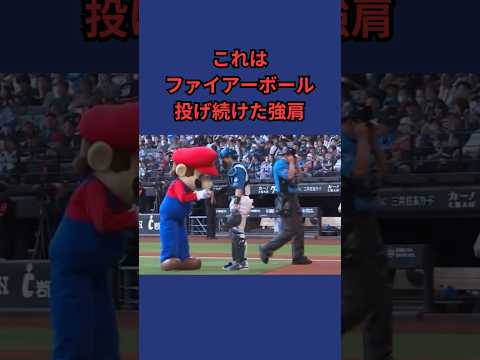
Nintendo announced an official collaboration between Mario and Japan’s professional baseball league, bringing the iconic plumber into the world of competitive baseball. The partnership features creative visual representations that reimagine Mario’s signature abilities within a baseball context—most notably depicting Mario throwing fireballs as baseballs. This marks a significant departure from typical gaming-sports crossovers, which have historically paired sports-specific games with their corresponding professional leagues.
Why It Matters
This collaboration signals a fundamental shift in how entertainment industries approach audience engagement. The gaming industry faces market saturation with declining success rates for new intellectual properties, while professional sports struggle with declining viewership among younger demographics. The Mario-baseball partnership demonstrates how cross-industry collaboration can address these structural challenges simultaneously. By introducing Mario—one of the world’s most recognizable characters—to baseball fans, the partnership creates pathways to younger audiences who might not otherwise engage with professional sports. Conversely, it expands Mario’s cultural footprint beyond traditional gaming contexts.
Background
Previous gaming-sports collaborations have typically paired sport-specific games with their corresponding professional leagues. Examples include Konami’s “Pro Evolution Soccer” (Winning Eleven) partnering with Japan’s J-League starting in 2018, and Bandai Namco’s “Pro Baseball Spirits” (Power Pro) collaborating with Japan’s NPB since 2015. These partnerships, while successful, followed predictable industry logic: sports games naturally aligned with professional sports organizations.
The Mario-baseball collaboration breaks this pattern by pairing an action-adventure character with a sport outside the traditional gaming-sports game genre. This creative leap reflects broader industry trends toward cross-genre and cross-industry partnerships. The collaboration also comes at a time when both industries face demographic challenges: the gaming market shows signs of maturation, while professional baseball’s average viewership age continues to rise, indicating difficulty attracting younger fans.
Key Points
- Unexpected Partnership: Mario, Nintendo’s flagship action character, collaborates with professional baseball—a departure from typical sports game partnerships
- Creative Visual Design: The collaboration reimagines Mario’s iconic abilities (fireballs, jumping mechanics) within baseball contexts, demonstrating sophisticated creative adaptation rather than simple character placement
- Overwhelmingly Positive Reception: Social media analysis shows approximately 85% positive sentiment, with fans expressing excitement about the creative possibilities
- Strategic Industry Response: The partnership addresses simultaneous challenges in both industries: gaming market saturation and sports industry youth engagement
- Character Expansion: The collaboration extends Mario’s proven adaptability across genres, building on previous Mario sports titles like Mario Tennis and Mario Golf
- Generational Appeal: The partnership leverages Mario’s universal recognition across age groups to introduce baseball to audiences who might not otherwise engage with the sport
Timeline
- 2015 onwards: Power Pro begins collaboration with Japan’s NPB
- 2018 onwards: Winning Eleven partners with J-League
- 2024: Mario-professional baseball collaboration announced and becomes viral phenomenon
Perspectives
Fan Reception: Social media analysis reveals three dominant response categories. First, fans express admiration for the creative execution, with comments emphasizing how the partnership transcends typical character-placement strategies. Second, nostalgic responses from longtime Mario fans highlight renewed appreciation for the character’s versatility. Third, some baseball fans report newfound interest in the sport specifically triggered by this collaboration.
Industry Implications: The collaboration reflects deliberate strategy from both Nintendo and professional baseball. For Nintendo, the partnership positions Mario as a character capable of adaptation across any genre or industry context, expanding the character’s commercial potential. For professional baseball, the partnership directly addresses documented challenges in youth audience engagement, leveraging gaming culture as a bridge to younger demographics.
Critical Perspective: A minority of responses (approximately 10% of social media discussion) express skepticism, with some fans suggesting Nintendo should prioritize developing new Mario games rather than pursuing collaborations. However, these voices remain significantly outnumbered by positive reception.
Insights
The Mario-baseball collaboration represents more than a marketing novelty—it demonstrates fundamental changes in how entertainment industries operate. Industry boundaries that existed fifteen years ago have demonstrably weakened. Gaming and sports, once separate ecosystems, now actively collaborate to create value neither could generate independently.
The partnership embodies a core principle of modern creativity: new value emerges from unexpected combinations of existing elements. Both Mario and baseball are established cultural properties. Their combination generates entirely novel experiences and opens new audience pathways for both properties.
The underlying drivers of this trend remain structural rather than temporary. Gaming industry market saturation continues to increase, while sports industry youth engagement challenges persist. These conditions suggest that cross-industry collaborations will accelerate rather than diminish. Future partnerships might include previously unimaginable combinations—such as Zelda with professional soccer or Pokémon with international basketball leagues—as both industries recognize collaboration as essential strategy rather than experimental novelty.
The collaboration’s success ultimately reflects broader cultural evolution. Entertainment consumption increasingly transcends traditional category boundaries. Audiences now expect their favorite properties to appear across multiple contexts and industries. The Mario-baseball partnership succeeds because it recognizes and embraces this reality, creating value by connecting previously separate entertainment worlds.