▶ Watch the original YouTube video
Jujutsu Kaisen’s Haibara Steam Cursed Technique: A Deep Analysis of Self-Sacrifice Power Design
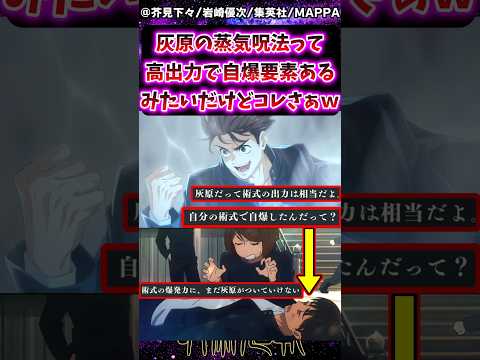
Jujutsu Kaisen fans are debating whether Haibara Yohei’s steam cursed technique is truly a self-destructive ability or a profound expression of character resolve. Analysis of the anime’s character design reveals the technique serves as a philosophical statement about sacrifice and determination rather than a simple combat drawback.
What Happened
Haibara Yohei’s steam cursed technique in Jujutsu Kaisen has sparked widespread discussion among fans regarding its nature and purpose. The ability delivers high output power but inflicts significant physical damage on the user, leading to questions about why Haibara continues using such a risky technique. Fan reactions across YouTube and social media reveal multiple interpretations of the ability’s design, ranging from viewing it as a dangerous drawback to seeing it as a representation of character determination.
Why It Matters
Understanding Haibara’s steam cursed technique provides insight into modern anime character design philosophy. Rather than presenting simple power-versus-weakness dynamics, contemporary anime like Jujutsu Kaisen employ ability systems that directly reflect character psychology and values. Haibara’s technique exemplifies how ability design can communicate deeper themes about human resilience, sacrifice, and the willingness to transcend personal limitations. This approach creates richer character narratives that encourage viewer analysis and interpretation.
Background
Jujutsu Kaisen introduced Haibara as a supporting character whose combat style differs fundamentally from protagonist Yuji Itadori and Megumi Fushiguro. While Yuji relies on cursed energy quality and Megumi employs technical skill and experience, Haibara’s approach centers on physical engagement and personal sacrifice. The steam cursed technique embodies this philosophy by requiring the user to accept direct physical toll as the cost of unleashing maximum power. This design choice aligns with the series’ broader worldbuilding principle that stronger cursed techniques demand greater sacrifices from their users.
Key Points
- Dual Nature of Power: The steam cursed technique delivers high output while imposing significant physical burden on Haibara, creating a risk-reward dynamic that defines his combat approach.
- Character Philosophy: Haibara’s continued use of the technique despite its dangers reflects his internal resolve and willingness to sacrifice for his objectives, distinguishing him from other main characters.
- Thematic Significance: The self-damage element serves as external expression of Haibara’s internal conflict regarding his own powerlessness and desire to protect others.
- Fan Interpretation Diversity: Community responses reveal three primary viewpoints: viewing the technique as dangerous, understanding it as character expression, and anticipating future power evolution.
- Comparative Design: Unlike similar characters in other series who seek to overcome ability limitations, Haibara accepts his technique’s inherent costs as fundamental to his identity.
- Narrative Function: The ability design poses philosophical questions to viewers about sacrifice and the true nature of strength.
Character Design Comparison
Haibara vs. My Hero Academia’s Bakugo: Both characters possess high-output abilities with physical costs. However, Bakugo views his burden as something to overcome through training, while Haibara accepts his as an intrinsic characteristic. This reflects their contrasting philosophies: Bakugo pursues self-improvement, whereas Haibara commits to maximum effort within present constraints.
Haibara vs. Demon Slayer’s Zenitsu: Zenitsu’s thunder breathing consumes significant energy, but his primary struggle involves overcoming fear. For Haibara, the ability’s physical toll itself becomes central to character expression rather than a secondary concern.
Within Jujutsu Kaisen: Haibara stands alone among primary characters in accepting direct bodily damage as his technique’s fundamental cost. This positions him as the most physically engaged fighter, relying on bodily presence rather than technique refinement or energy manipulation.
Fan Perspectives
Three distinct interpretations have emerged from community discussion. First, some viewers focus on the technique’s danger, viewing the physical damage as a pure disadvantage requiring eventual resolution. Second, others emphasize the technique as character expression, recognizing how the self-sacrifice element communicates Haibara’s determination and internal conflict. Third, readers following the source material anticipate future developments where Haibara either evolves the technique to reduce its burden or deepens his acceptance of its costs.
This interpretive diversity suggests intentional design by the creators, who embedded sufficient narrative ambiguity to sustain multiple valid readings. The technique functions as a Rorschach test for viewer values: those prioritizing power efficiency see a problem to solve, while those emphasizing character psychology see profound thematic expression.
Underlying Philosophy
Jujutsu Kaisen’s worldbuilding establishes that cursed energy originates from negative emotions. Haibara’s steam technique, requiring self-inflicted damage, likely stems from internal conflict regarding his own powerlessness and inability to protect those he values. The technique externalizes this psychological struggle into physical form. Haibara’s conscious choice to continue using the ability despite understanding its costs demonstrates acceptance of his limitations while refusing to surrender to them—a nuanced expression of human resilience.
This design philosophy reflects contemporary anime industry trends favoring complex, multifaceted characters over simple power hierarchies. Rather than depicting characters as purely strong or weak, modern series present protagonists and supporting characters whose strength and vulnerability coexist. Haibara exemplifies this approach, embodying both formidable combat capability and genuine human limitation.
Practical Viewing Recommendations
To deepen understanding of Haibara’s character, viewers should revisit his initial steam technique scenes, where his determination and resolve are most concentrated. Comparing Haibara’s fighting approach with Yuji’s and Megumi’s reveals his unique philosophy. Attention to voice acting and facial expressions during technique usage communicates internal emotional states. Examining similar characters in other series—such as Attack on Titan’s Eren or JoJo’s Bizarre Adventure’s Giorno—provides comparative context for understanding how self-sacrifice themes function across anime.
Future Development Possibilities
Based on narrative trajectory, several potential developments may emerge. The technique could evolve as Haibara discovers methods to reduce physical burden, expanding his combat capabilities. Alternatively, Haibara might deepen his acceptance of the technique’s costs, representing character growth through psychological rather than mechanical advancement. A third possibility involves Haibara acquiring additional cursed techniques, broadening his tactical options. Regardless of specific direction, Haibara’s fundamental character essence—a human confronting his limitations while refusing defeat—should remain consistent.
Insights
Haibara’s steam cursed technique transcends simple game-balance mechanics to function as philosophical statement. The ability communicates that true strength emerges not from transcending human limitation but from consciously accepting limitation while persisting in effort. In a series fundamentally concerned with human nature, Haibara represents the archetype of determined humanity—not superhuman, but profoundly human in his willingness to sacrifice for values he holds dear. The technique’s self-damage element, rather than representing weakness, becomes the most authentic expression of character resolve. Through Haibara, Jujutsu Kaisen poses enduring questions about sacrifice, determination, and what genuine strength means when confronted with personal limitation.