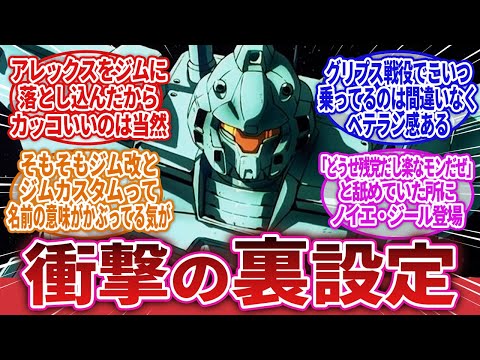
▶ Watch the original YouTube video
Why the GM Custom Is Considered the Mass-Production Type of Gundam NT-1: A Deep Analysis
After 15 years of Gundam research and analysis, a compelling theory has emerged online: the GM Custom may actually represent a mass-production variant of the Gundam NT-1. This article explores the design philosophy, technical specifications, and strategic reasoning behind this controversial claim, revealing how two seemingly different mobile suits share a deeper connection than previously understood.
- What Happened
- Why It Matters
- Background
- Key Points
- Design Philosophy Comparison
- Design Evolution Timeline
- Perspectives
- Design Elements and Technical Reasoning
- Mass-Production Mobile Suit Evolution
- Practical Applications and Pilot Selection
- Related Works and Further Analysis
- Community Analysis and Online Discussion
- Insights
What Happened
Online Gundam fan communities have recently highlighted a striking similarity between the GM Custom and the Gundam NT-1, suggesting that the GM Custom functions as a practical, mass-produced implementation of the NT-1’s design philosophy. This observation challenges conventional understanding of these two mobile suits and has sparked extensive discussion about their shared design elements, tactical roles, and development history within the Gundam 0080 era.
Why It Matters
Understanding the relationship between the GM Custom and Gundam NT-1 provides crucial insight into how Gundam’s designers approach the evolution from experimental prototypes to practical mass-production units. This connection reveals the underlying design philosophy of the Universal Century timeline and demonstrates how military requirements shape mobile suit development. For Gundam enthusiasts, recognizing these design lineages deepens appreciation for the series’ internal consistency and technical worldbuilding.
Background
The GM Custom appears in Mobile Suit Gundam 0080: War in the Pocket, operating during the post-One Year War period when Earth Federation forces faced remaining Zeon remnants. The Gundam NT-1 (also known as “Alex”) is a prototype mobile suit developed during the same era, featuring advanced systems including an all-around monitor and linear seat technology. Both machines emerged from similar design requirements: combating outdated Zeon mobile suits with limited resources and specialized pilot training.
The GM Custom represents a unique category within Gundam’s mobile suit hierarchy—a “premium mass-production unit” that balances high performance with practical manufacturability. This design approach differs significantly from earlier mass-production models like the standard GM or GM Command, which prioritized either standardization or specific functional enhancements.
Key Points
- Shared Design Foundation: The GM Custom and Gundam NT-1 share fundamental design elements and component specifications, suggesting they derive from a common development philosophy rather than independent design paths.
- Absence as Presence: The GM Custom’s defining characteristic is the absence of distinctive features—all performance metrics remain above average with no critical weaknesses, creating a versatile platform adaptable to varied combat scenarios.
- Design Lineage from Alex: The GM Custom’s visual design incorporates elements from the Gundam Alex, including distinctive shoulder components and full-burnian design features, suggesting deliberate design inheritance from the prototype.
- Strategic Beam Weapon Omission: The GM Custom’s lack of beam weapons represents a calculated tactical choice rather than a limitation, as the unit was optimized for engagements against older Zeon mobile suits where conventional weapons proved sufficient.
- Pilot Quality as Performance Factor: Every pilot operating the GM Custom demonstrated exceptional skill, indicating the unit functions as a platform that amplifies pilot capability rather than compensating for pilot limitations.
- Tactical Specialization: The GM Custom exemplifies a new category of mass-production design—machines optimized for specific tactical situations rather than universal deployment, reflecting evolving military doctrine in the post-war period.
Design Philosophy Comparison
Gundam NT-1 vs. GM Custom Design Approach
| Aspect | Gundam NT-1 | GM Custom |
|---|---|---|
| Unit Classification | Prototype | Mass-Production |
| Design Methodology | Independent Development | Shared Components |
| Primary Systems | All-Around Monitor | Standard Configuration |
| Design Philosophy | Cutting-Edge Technology Integration | Practical Implementation Focus |
| Operational Pilots | Limited Selection | Multiple Qualified Operators |
Design Evolution Timeline
- One Year War Era: Standard GM and GM Command establish baseline mass-production mobile suit design principles.
- Post-War Period (0080): Gundam NT-1 developed as experimental platform incorporating advanced systems; GM Custom emerges as practical implementation of similar design concepts.
- Gryps Conflict Era: GM Custom usage declines as tactical requirements shift; GM II and enhanced GM Command variants become primary mass-production units.
Perspectives
The Prototype-to-Production Relationship
The most compelling interpretation suggests the GM Custom represents not a direct mass-production variant, but rather a practical implementation of the Gundam NT-1’s design philosophy. The NT-1’s advanced systems—particularly the all-around monitor and linear seat—proved complex for mass production. The GM Custom achieves similar performance objectives through more conventional engineering, maintaining the NT-1’s conceptual advantages while prioritizing manufacturability and operational reliability.
Tactical Optimization Over Universal Design
The GM Custom exemplifies a strategic shift in mobile suit development philosophy. Rather than creating universally applicable platforms, designers increasingly optimized units for specific tactical scenarios. The GM Custom’s “absence of distinctive features” actually represents sophisticated design—every performance parameter calibrated for anti-Zeon remnant operations without unnecessary complexity or cost.
Pilot Capability as Design Variable
The consistent excellence of GM Custom pilots suggests intentional design: the unit functions as a force multiplier for exceptional operators rather than a compensatory system for average pilots. This approach reflects confidence in pilot selection and training programs, contrasting with mass-production designs that accommodate broader pilot skill ranges.
Design Elements and Technical Reasoning
Shoulder Configuration and Visual Heritage
The GM Custom’s distinctive shoulder components directly reference the Gundam Alex design language. This visual continuity indicates deliberate design inheritance—engineers incorporated proven structural and functional elements from the prototype into the production variant. The full-burnian design elements further reinforce this connection, suggesting the GM Custom represents an evolutionary step rather than an independent development path.
Beam Weapon Strategy
The absence of beam weapons reflects tactical assessment rather than technical limitation. During the 0080 period, conventional ballistic weapons—particularly bazookas—offered superior sustained firepower against older Zeon mobile suits. Beam weapons, while technologically advanced, provided marginal advantage against outdated opponents. The GM Custom’s designers prioritized ammunition capacity and sustained combat capability over cutting-edge beam technology, a pragmatic choice validated by operational requirements.
Balanced Performance Architecture
The GM Custom’s defining characteristic—absence of critical weaknesses—represents sophisticated engineering rather than mediocrity. Every performance metric (mobility, armor, firepower, energy management) maintains above-average capability. This balanced approach creates an unpredictable opponent; enemies cannot identify exploitable weaknesses, forcing them to engage across all tactical dimensions simultaneously.
Mass-Production Mobile Suit Evolution
| Mobile Suit | Era | Design Philosophy | Primary Characteristic |
|---|---|---|---|
| GM | One Year War | Standard Mass-Production | Balanced Baseline Design |
| GM Command | One Year War Late Period | Command Unit Specialization | Enhanced Communication Systems |
| GM Custom | 0080 Era | Tactical Specialization | All-Around Above-Average Performance |
| GM II | Gryps Conflict | Standard Evolution | New System Integration |
Practical Applications and Pilot Selection
The GM Custom’s operational history reveals crucial design intent. Every pilot recorded operating this unit demonstrated exceptional combat capability—these were not average soldiers but carefully selected specialists. This pattern suggests the GM Custom functions as a “pilot selection platform,” identifying and amplifying the capabilities of elite operators.
The unit’s balanced performance characteristics demand pilot judgment and tactical awareness rather than compensating for pilot limitations. A mediocre pilot cannot extract the GM Custom’s full potential; conversely, an exceptional pilot can leverage the unit’s versatility to dominate varied combat scenarios. This design philosophy represents confidence in human capability rather than reliance on technological superiority.
Related Works and Further Analysis
Understanding the GM Custom requires engagement with related source material:
- Mobile Suit Gundam 0080: War in the Pocket: The primary work featuring GM Custom combat operations. Viewing the unit’s tactical deployment provides essential context for understanding its design philosophy and operational capabilities.
- Gundam Sentinel: Features the Sentinel version GM, the design foundation for the GM Custom. Comparing these variants illuminates the design evolution from experimental to specialized production models.
- Mobile Suit Gundam 0083: Stardust Memory: Depicts contemporary mass-production units including GM II and enhanced GM Command variants, enabling direct comparison of parallel design approaches.
Community Analysis and Online Discussion
Online Gundam communities have identified several key observations about the GM Custom:
Design Commonality Recognition: The most frequently cited observation concerns shared design elements between the GM Custom and Gundam NT-1. Fan analysis has identified component compatibility and design philosophy alignment that official documentation does not explicitly address, suggesting the community has identified genuine design relationships through careful technical examination.
“Absence as Presence” Concept: Multiple commentators have noted that the GM Custom’s lack of distinctive features actually constitutes its defining strength. In combat, opponents cannot identify exploitable weaknesses, creating tactical uncertainty that proves advantageous. This observation demonstrates sophisticated understanding of military design principles.
Beam Weapon Debate: Some commentators questioned the GM Custom’s lack of beam weapons as a critical limitation. However, community consensus suggests this represents tactical choice rather than technical deficiency—the unit can accommodate beam weapons when operational requirements demand them.
Aesthetic Appreciation: Numerous observers have noted the GM Custom’s superior visual design compared to later variants like the GM II. This aesthetic assessment reflects the unit’s elegant design philosophy—sophisticated engineering expressed through clean, purposeful industrial design.
Insights
The GM Custom represents a crucial evolutionary step in Gundam’s mobile suit design philosophy. Rather than pursuing technological superiority through advanced systems, the designers achieved practical excellence through balanced engineering and tactical specialization. This approach reflects mature military thinking: recognizing that specific operational requirements demand optimized solutions rather than universal platforms.
The relationship between the Gundam NT-1 and GM Custom demonstrates how prototype development informs practical mass-production design. The NT-1’s advanced systems proved too complex for widespread deployment, but its fundamental design concepts—balanced performance, pilot-centric architecture, tactical flexibility—successfully translated into the production-viable GM Custom.
The GM Custom’s subsequent decline in later conflicts does not diminish its significance. Rather, it exemplifies how military equipment becomes obsolete not through technical failure but through changing operational requirements. When tactical situations shifted during the Gryps Conflict, the GM Custom’s specialized optimization became less relevant, and new designs emerged to address evolved requirements.
Most importantly, the GM Custom illustrates that excellence in military design does not require technological cutting-edge status. Instead, it demands precise understanding of operational requirements, disciplined engineering that eliminates unnecessary complexity, and confidence in operator capability. These principles remain relevant far beyond the fictional Universal Century timeline.
The ongoing community analysis of the GM Custom demonstrates how Gundam’s internal consistency and technical worldbuilding reward careful examination. By recognizing design relationships, tactical reasoning, and engineering philosophy, fans engage with the series at a sophisticated level, appreciating not merely the surface narrative but the underlying technical logic that makes the fictional universe coherent and compelling.