▶ Watch the original YouTube video
Kamen Rider Maise introduces an unconventional villain in the form of the Rabbit Chief, whose seemingly cool design masks an endearingly incompetent personality. After 15 years of following the Kamen Rider franchise, this character represents a bold departure from traditional enemy commander archetypes, creating a complex appeal that resonates with viewers through deliberate narrative contradiction.
- What Happened
- Why It Matters
- Background
- Key Points
- Character Design Analysis
- The West Alliance: Organizational Ambiguity
- Maise and the Rabbit Chief: A New Dynamic
- Voice Acting and Performance
- Temporal Disconnect: 100 Years of Absence
- Viewer Reception and Online Response
- Broader Implications for Kamen Rider
- Recommendations for New Viewers
- Conclusion
What Happened
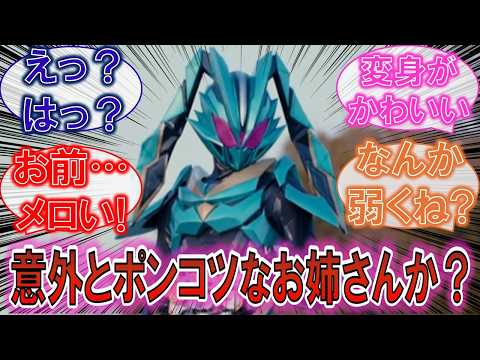
The Rabbit Chief character in Kamen Rider Maise defies initial expectations. Upon first viewing her refined, rabbit-themed design, most viewers anticipated a cool, stern commander type. However, episode two revealed a dramatically different personality: an endearingly bumbling older sister figure whose incompetence contradicts her authoritative appearance. This gap between visual design and actual characterization has become central to her appeal among fans.
Why It Matters
The Rabbit Chief’s character design represents a significant shift in how Kamen Rider portrays antagonist leaders. Traditional enemy commanders are designed to intimidate and demonstrate superiority over the protagonist. The Rabbit Chief instead shares the same level of confusion and understanding as the audience, creating unexpected viewer identification with an antagonist. This approach challenges established conventions in the franchise and reflects evolving storytelling in modern tokusatsu productions.
Background
The Kamen Rider franchise has evolved significantly from the Heisei era through the current Reiwa period. Enemy organizations typically feature commanders who possess superior knowledge and strategic advantage. The West Alliance (Nishi Doumei), the organization the Rabbit Chief leads, breaks this pattern by displaying structural inconsistencies and questionable priorities—such as stealing cheese while supposedly fighting monsters. The Rabbit Chief’s character exists within this deliberately ambiguous organizational framework, where her incompetence mirrors the organization’s lack of clear purpose.
Key Points
- The Rabbit Chief was initially expected to be a cool, stern character but revealed as an endearingly incompetent personality, creating deliberate narrative contradiction
- Her misunderstanding of contemporary slang like “mero” (emo) demonstrates authentic character depth rather than simple comedic relief
- She self-imposes a 60-second time limit for defeating opponents but consistently fails to meet it, highlighting her fundamental inadequacy as a commander
- The West Alliance’s mission remains ambiguous, combining monster-fighting objectives with suspicious activities like cheese theft, undermining credibility as a serious antagonist organization
- Her relationship with protagonist Maise involves mutual harassment rather than traditional opposition or respect, representing a new dynamic in Kamen Rider narratives
- The voice actress’s distinctive delivery and performance style significantly enhance the character’s appeal and comedic timing
Character Design Analysis
Visual-Personality Disconnect
The Rabbit Chief’s refined, sophisticated visual design deliberately contrasts with her scattered, confused personality. This gap is not accidental but rather a calculated narrative device. When she questions whether holding an egg means “becoming a turtle,” she demonstrates the same bewilderment as the audience rather than possessing superior information. This approach inverts the traditional power dynamic between antagonist commanders and viewers, creating immediate relatability.
Language and Authenticity
Her usage of the term “mero” (emo) reveals sophisticated character writing. Rather than simply using contemporary slang correctly, she employs it without fully understanding its meaning, reflecting authentic youth culture behavior. She applies “mero” to Maise’s confession, interpreting it broadly as “emotionally moving” rather than its precise definition. This captures the genuine, messy way language evolves in real communities—a level of detail rarely seen in tokusatsu productions.
Self-Imposed Failure
The recurring pattern of the Rabbit Chief announcing a 60-second time limit and then failing to meet it represents a fundamental inversion of traditional antagonist behavior. Enemy commanders typically use time constraints as strategic weapons to pressure protagonists. Here, the constraint becomes a source of self-inflicted failure, with the Rabbit Chief visibly panicking as the timer runs out. This creates a surprisingly human portrait of someone struggling against arbitrary deadlines—more relatable to modern audiences than the typical invincible villain archetype.
The West Alliance: Organizational Ambiguity
The West Alliance’s structure deliberately undermines its credibility as a serious threat. The organization supposedly fights monsters, yet simultaneously engages in cheese theft—a detail that seems absurd rather than menacing. This contradiction appears intentional, suggesting the organization prioritizes self-interest over stated noble goals. The comparison to previous Kamen Rider antagonist organizations like the Logos regime in Kamen Rider Revice is instructive: where Logos presented a coherent political structure, the West Alliance embraces comedic incoherence while maintaining narrative functionality.
The Rabbit Chief’s role within this flawed organization makes her incompetence feel organic rather than inconsistent. She is not a capable commander struggling with minor obstacles; she is a fundamentally unprepared leader within a fundamentally confused organization.
Maise and the Rabbit Chief: A New Dynamic
The relationship between protagonist Maise and the Rabbit Chief diverges sharply from established Kamen Rider patterns. Rather than opposition or grudging respect, they engage in mutual harassment and petty antagonism. This reflects contemporary communication styles more authentically than traditional hero-villain dynamics. The comparison to previous pairings like Faiz and Kaza from Kamen Rider 555 is relevant, but Maise’s version feels more grounded in everyday interaction patterns.
This relationship suggests the Rabbit Chief will remain a recurring presence in the narrative, with her incompetence becoming an ongoing source of conflict and comedy rather than a problem to be solved through her defeat.
Voice Acting and Performance
The voice actress’s distinctive delivery significantly amplifies the character’s appeal. Her lower vocal register and varied intonation effectively convey the Rabbit Chief’s scattered nature and genuine confusion. Voice performance in tokusatsu often receives less critical attention than suit acting or choreography, yet here it proves essential to character success. The actress’s background playing eccentric female characters provides the specific comedic timing and emotional authenticity the role demands.
Temporal Disconnect: 100 Years of Absence
The Rabbit Chief’s 100-year absence before awakening creates an additional layer to her incompetence. She represents outdated values and knowledge attempting to function in a modern context. Her inability to use smartphones and reliance on typewriters for reports symbolizes this temporal displacement. This meta-narrative element—where old frameworks fail to address contemporary challenges—appears intentional, suggesting the Rabbit Chief’s struggles reflect broader themes about adaptation and obsolescence.
Viewer Reception and Online Response
Fan reactions across social media and video comments reveal strong positive reception. Common responses include “she turned out to be a more entertaining older sister than expected” and “I want to see her mess up more often.” This enthusiasm exceeds typical antagonist appreciation, suggesting viewers recognize the character’s innovative design. Simultaneously, some viewers question the West Alliance’s actual purpose, with comments like “the cheese theft is somehow the most beloved aspect” indicating audiences embrace the organization’s contradictions as intentional comedy.
Critical observations about her behavior—such as “slamming the book on the floor was genuinely harsh”—demonstrate viewers engage with her actions on multiple levels, considering both comedic and ethical dimensions.
Broader Implications for Kamen Rider
The Rabbit Chief represents a significant evolution in how the Kamen Rider franchise approaches character design and narrative structure. After 15 years of observing the franchise’s development through the Heisei and Reiwa eras, this character demonstrates willingness to subvert established conventions. Traditional enemy commanders serve specific narrative functions: demonstrating threat level, providing exposition, and creating obstacles for protagonists to overcome.
The Rabbit Chief fulfills none of these functions conventionally. She generates no genuine threat, provides confused rather than authoritative information, and creates obstacles through her own incompetence rather than strategic planning. Yet she succeeds as a character precisely through these failures, suggesting the franchise is evolving toward more complex, psychologically realistic antagonists.
Recommendations for New Viewers
For those beginning Kamen Rider Maise, watching from episode one is essential. The Rabbit Chief’s characterization gains effectiveness through gradual revelation of her incompetence. Understanding her appeal requires recognizing that her confusion mirrors audience confusion—she is not withholding information but genuinely uncertain.
Comparing the West Alliance to previous Kamen Rider antagonist organizations enhances appreciation. Examining how Kamen Rider W detailed internal enemy organization structure, or how Kamen Rider Saber explored conflicts between traditional and modern knowledge systems, provides useful context for understanding Maise’s approach.
Conclusion
The Rabbit Chief exemplifies modern tokusatsu storytelling that prioritizes character authenticity and audience connection over traditional power fantasy narratives. Her incompetence is not a flaw in characterization but rather the entire point—a deliberate choice to create an antagonist who feels human rather than mythic.
One concern remains: whether the West Alliance’s organizational ambiguity will eventually resolve into coherent antagonistic purpose or remain deliberately incoherent. The Rabbit Chief’s charm depends partly on this uncertainty. If future episodes clarify the organization’s true nature and competence, her incompetence may feel less intentional and more like poor writing.
For now, Kamen Rider Maise presents a refreshingly unconventional approach to antagonist characterization. The Rabbit Chief stands as a symbol of this new direction—bumbling, confused, endearingly human, and far more interesting than any traditionally competent villain could be.