▶ Watch the original YouTube video
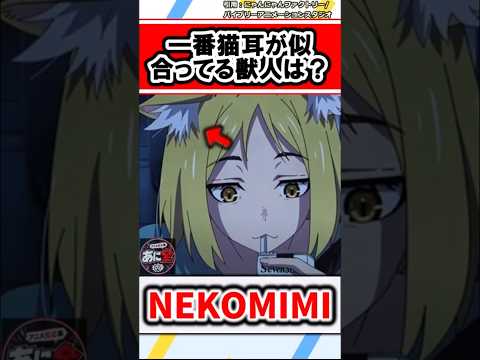
A recent character popularity vote for the anime series “Yaniko” asked fans which beast-eared character looks best in cat ears. The results reveal surprising insights about character design philosophy, viewer preferences, and the psychological power of a simple visual element.
What Happened
The “Yaniko” franchise conducted a fan voting campaign asking viewers to determine which character among the show’s beast-eared cast looks most appealing with cat ears. The vote generated significant online discussion, with fans debating the merits of different characters and analyzing specific visual details like ear color and texture. Notably, certain characters consistently ranked high across multiple polls, while the protagonist unexpectedly received fewer votes than anticipated.
Why It Matters
This voting campaign offers a window into how character design elements influence viewer perception and emotional response. The results demonstrate that character appeal is not determined by narrative importance—such as being the protagonist—but rather by how well specific visual elements harmonize with a character’s overall design. The detailed fan commentary about ear texture and coloration suggests that viewers engage in sophisticated visual analysis when evaluating character designs, indicating a high level of audience engagement with production quality.
Background
Character design in anime has long relied on distinctive visual markers to establish identity and appeal. Animal ears—particularly cat ears—have proven to be one of the most versatile and effective design elements in the medium. Over the past 15 years, numerous anime and game franchises have experimented with adding animal features to characters, consistently observing increased viewer favorability. This phenomenon extends beyond simple aesthetics; it reflects deeper psychological responses rooted in what researchers call “baby schema,” a cognitive bias that makes features resembling infant animals trigger protective and affectionate responses in viewers.
Previous similar voting campaigns in other anime franchises provide context for understanding “Yaniko’s” results. In 2014, the anime “No Game No Life” conducted a Twitter poll asking which character looked best with cat ears, resulting in the protagonist Shiro winning by a landslide. However, in 2018, the anime “Gamers!” held a similar vote for “beast-ified” character designs, and the protagonist surprisingly ranked lower than expected, with secondary characters claiming top positions. These precedents establish that protagonist status does not guarantee voting success when aesthetic judgment is the primary criterion.
Key Points
- Voting Structure: Fans voted to determine which beast-eared character from “Yaniko” appears most appealing with cat ears
- Consistent Top Performers: Certain characters consistently ranked high across multiple polls, suggesting strong design harmony between their base appearance and cat ear aesthetics
- Protagonist Underperformance: The main character received fewer votes than expected, indicating that narrative importance does not determine aesthetic preference
- Design Dependency: Some characters appeared visually unbalanced without cat ears, demonstrating that certain designs rely on this element as an essential component
- Visual Detail Focus: Fan comments emphasized specific details like ear color and texture (“I’m curious about the dyed yak ears,” “The yak’s ears are so fluffy”), showing sophisticated visual analysis among viewers
- Multi-Character Appeal: Unlike some previous voting campaigns dominated by a single character, “Yaniko” showed multiple characters ranking highly, suggesting broader design excellence across the cast
Timeline
- 2009: Author first observed the “cat ear phenomenon” through “K-On!” fan art, noticing how the accessory dramatically altered character appeal
- 2012: “Accel World” demonstrated the psychological impact of avatar customization, with cat-eared avatars gaining significantly more popularity than original designs
- 2014: “No Game No Life” conducted official Twitter poll on cat ear compatibility, with protagonist Shiro winning decisively
- 2015: “Is the Order a Rabbit?” aired, featuring characters whose visual balance shifted noticeably with ear presence
- 2016: “KonoSuba” demonstrated how cat ears could transform perceived appeal of secondary characters
- 2018: “Gamers!” held beast-ification vote where protagonist underperformed relative to expectations
- Present: “Yaniko” voting campaign generates detailed fan analysis of ear aesthetics and character design philosophy
Perspectives
The Design Philosophy Interpretation: From a production standpoint, the voting results suggest that “Yaniko’s” character designers deliberately incorporated cat-ear compatibility into their visual concepts. Characters that consistently rank highest likely represent intentional design decisions where the ears function as an integral component rather than mere decoration. The existence of characters that appear visually compromised without ears indicates that some designs were specifically conceived with this element as essential.
The Psychological Response Framework: Viewer preferences for certain characters with cat ears reflect established psychological principles. The “baby schema” effect—where juvenile or animal-like features trigger nurturing responses—explains why cat ears enhance appeal across diverse character types. However, the variation in voting results demonstrates that this effect is not universal; it requires baseline design compatibility to function effectively.
The Viewer Sophistication Perspective: The detailed nature of fan commentary regarding ear texture and color suggests that “Yaniko’s” audience engages in advanced visual analysis. This level of engagement indicates that viewers are not simply responding to cuteness factors but are actively evaluating design coherence, material properties, and aesthetic harmony. This suggests the production team has invested significant effort in visual details that reward close viewer attention.
Insights
The “Yaniko” voting campaign reveals that character appeal in anime is determined by sophisticated design harmony rather than narrative hierarchy. Cat ears function not as simple decorative additions but as design elements that either enhance or expose underlying visual structures. Characters that consistently rank highest represent successful integration of this element into their overall aesthetic, while characters that appear unbalanced without ears demonstrate the opposite.
The voting results also indicate that modern anime audiences possess considerable visual literacy. Fans are capable of analyzing specific design components, comparing character aesthetics systematically, and articulating detailed preferences based on visual properties like texture and color. This sophistication suggests that production teams investing in meticulous character design choices are rewarded with engaged, appreciative audiences.
Perhaps most significantly, the campaign demonstrates that character design serves purposes beyond simple visual appeal. When certain characters appear incomplete without specific elements, it suggests that designers are using visual components to communicate character essence or thematic significance. In this framework, cat ears may represent more than aesthetic choice—they may function as visual metaphors for character identity or narrative purpose.
The consistency of certain characters ranking highly across multiple voting contexts suggests that exceptional character design creates durable appeal. Unlike trends that fluctuate based on narrative developments or seasonal factors, strong foundational design appears to generate sustained viewer preference, indicating that investment in character visual development yields long-term engagement benefits.