▶ Watch the original YouTube video
Why Manga Endings Disappoint Readers: A 15-Year Analysis of Bad Conclusions
Manga readers frequently encounter disappointing final chapters that undermine otherwise compelling stories. Through analysis of series like Yakitate!! Japan, Liar Game, and Gantz, this article examines why manga endings fail and what separates satisfying conclusions from forgettable ones.
What Happened
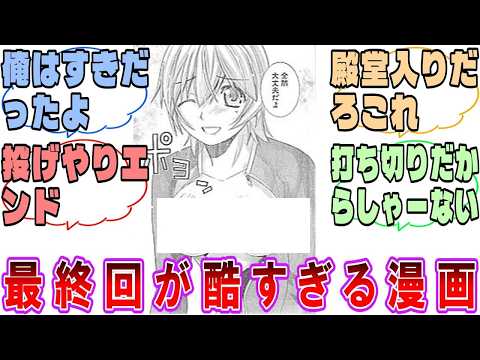
A viral video discussing manga series with notoriously poor final chapters has sparked widespread discussion about why so many manga fail to stick their landings. The video examines multiple series across different genres, from sports manga to psychological thrillers, identifying patterns in what makes endings feel rushed, incomplete, or unsatisfying to readers.
The discussion reveals that many manga suffer from abrupt cancellations rather than planned conclusions, while others complete their narratives but lack proper epilogues or emotional resolution. Some series, like JoJo’s Bizarre Adventure Part 6, generate debate over interpretation itself—with readers disagreeing about whether the ending represents world destruction or a parallel timeline.
Why It Matters
A manga’s final chapter disproportionately influences how readers remember and evaluate the entire work. Even critically acclaimed series can see their legacy damaged by poor endings, while some mediocre series gain redemption through satisfying conclusions. Understanding what makes endings succeed or fail has implications for how creators approach narrative closure and how readers set expectations.
The distinction between cancellation and planned completion fundamentally shapes reader satisfaction. A rushed ending due to editorial pressure creates a different emotional response than a deliberately crafted bittersweet conclusion. This matters because it reveals structural problems within the manga publishing industry itself.
Background
The manga industry operates under intense commercial pressure. Weekly serialization in magazines like Weekly Shonen Jump depends on reader surveys, sales figures, and advertising revenue. When a series underperforms, editors may cancel it abruptly, leaving creators unable to properly conclude their narratives. This system differs fundamentally from Western comics or novels, where creators often have more control over their endings.
Over 15 years of analyzing anime, games, and manga, patterns emerge: some creators like Mitsutoshi Shimabukuro (who created Yakitate!! Japan) later achieve major success with other works like Toriko, suggesting that early cancellations reflect market conditions rather than creative failure. Other series like Gantz complete their narratives but still receive criticism for lacking epilogues that would provide emotional closure.
Key Points
- Cancellation vs. Completion: Abruptly cancelled series feel unfinished because creators never intended to end them, while completed series can still disappoint if they lack proper epilogues or emotional resolution.
- The Power of Satisfaction: Reader satisfaction depends more on narrative coherence and emotional payoff than on whether endings are happy or tragic. A bittersweet conclusion works if it feels earned and inevitable.
- Epilogue Importance: Series like Gantz face criticism not for their final confrontation but for failing to show what happens afterward, leaving readers with unresolved emotional threads.
- Genre-Specific Challenges: Comedy manga endings are particularly difficult to execute, as comedic momentum is hard to sustain through a final chapter, and dramatic shifts in tone often feel jarring.
- Interpretation Matters: Some endings generate debate because readers interpret them differently. JoJo Part 6’s ending, for instance, confuses readers about whether it depicts world destruction or a parallel timeline.
- Memorability Over Quality: A poorly executed ending that readers remember may be preferable to a forgettable one that leaves no impression, as it at least provokes engagement and discussion.
Timeline
- 2001–2007: Yakitate!! Japan serializes and concludes with a rushed, cancellation-style ending that becomes emblematic of disappointing manga conclusions.
- 2000–2014: Gantz runs for 14 years, completing its narrative but facing criticism for insufficient epilogue content.
- 1999–2001: JoJo’s Bizarre Adventure Part 6 concludes with an ambiguous ending that generates ongoing debate about its meaning.
- 2009: Reader first experiences the impact of a disappointing manga ending, beginning a 15-year period of analyzing the phenomenon.
- 2020–Present: Oshi no Ko (Idol) serializes with ongoing speculation about whether its ending will satisfy readers or disappoint them.
Perspectives
The Creator’s Perspective: Manga creators often face impossible circumstances. Cancellation decisions come from editorial offices, not authors. Even when given the chance to conclude their work, creators must balance narrative ambition with the exhaustion of weekly serialization. Some creators, facing cancellation, may resort to unconventional final chapters as a form of creative defiance.
The Reader’s Perspective: Readers invest significant time in serialized works, often following them for years. They expect conclusions that honor that investment through emotional satisfaction and narrative coherence. The distinction between “this ending is sad” and “this ending is unsatisfying” matters greatly—readers can accept tragedy if it feels necessary and earned.
The Editorial Perspective: Magazine editors make cancellation decisions based on commercial metrics. A series that fails to generate sufficient reader interest, regardless of quality, may be cancelled to make room for more commercially viable works. This creates systemic pressure that sometimes forces premature endings.
The Industry Perspective: The manga publishing model itself creates conditions for disappointing endings. Unlike Western comics or novels, where creators often control their narrative arc, manga creators operate within a commercial system that prioritizes immediate sales over long-term narrative satisfaction.
Insights
The core issue separating satisfying manga endings from disappointing ones is narrative coherence combined with emotional resolution. Readers tolerate tragic endings if they feel inevitable and earned. They accept happy endings even if they’re simplistic. What they cannot forgive is an ending that feels arbitrary, rushed, or indifferent to the emotional investment they’ve made.
The distinction between “cancelled” and “completed” proves crucial. A cancelled series feels abandoned; a completed series, even if imperfect, conveys that the creator made deliberate choices about how to conclude the narrative. This psychological difference significantly impacts how readers evaluate the work.
Epilogues matter more than final battles. Readers often care less about how conflicts resolve than about what happens to characters afterward. An epilogue that shows characters’ futures provides closure that a final confrontation alone cannot deliver.
The manga industry’s structural problems—weekly serialization, editor-driven cancellations, commercial pressure—make satisfying endings statistically difficult to achieve. This isn’t primarily a failure of individual creators but a systemic issue within publishing. Creators who later succeed with other works (like Shimabukuro) demonstrate that early cancellations reflect market conditions, not talent.
Finally, the most memorable endings—whether positive or negative—engage readers emotionally. A forgettable ending that provokes no reaction may be worse than a controversial ending that sparks discussion. Engagement, even critical engagement, suggests the ending achieved some narrative impact.