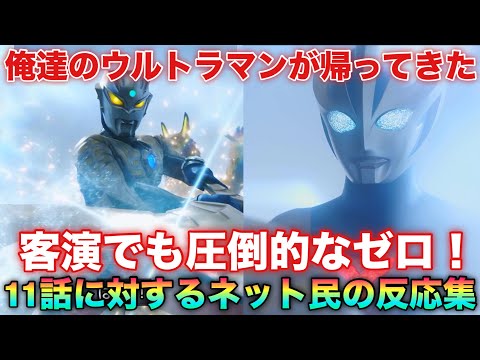
▶ Watch the original YouTube video
Ultraman Zero’s Overwhelming Strength Captivates Fans in Ultraman Teo Episode 11
Episode 11 of Ultraman Teo showcased Ultraman Zero’s devastating combat prowess in a mentor-student battle that resonated deeply with longtime fans. The episode demonstrates how experience and tactical judgment define true strength, drawing parallels to classic Ultraman mentor relationships while establishing a new standard for character-driven storytelling in the franchise.
- What Happened
- Why It Matters
- Background
- Key Points
- Episode 11 Summary
- Analyzing Zero’s Strength: Experience as the Ultimate Power
- Zero as Mentor: Continuing the Seven-Leo Legacy
- Production and Directorial Choices
- Broader Franchise Evolution
- Viewer Reception and Interpretation
- Narrative Structure and Storytelling Excellence
- Practical Recommendations for Deeper Engagement
- Conclusion: Franchise Maturation and Future Direction
What Happened
In Ultraman Teo Episode 11, Ultraman Zero engages in a decisive battle against Teo, demonstrating overwhelming combat superiority without sustaining a single hit. The episode features Zero utilizing multiple transformation forms—Strong Corona Zero and Luna Miracle Zero—to strategically overcome his opponent while maintaining perfect defensive positioning. The battle sequence combines nostalgic technique callbacks with new ability demonstrations, creating a narrative moment that emphasizes experience and tactical judgment over raw power alone.
Why It Matters
This episode represents a significant shift in how the Ultraman franchise portrays strength. Rather than focusing solely on combat intensity, Episode 11 emphasizes the relationship between mentor and student, drawing direct parallels to the classic Ultraman Leo series where Seven trained Leo through rigorous discipline. The episode’s reception indicates that modern audiences value character development and relational depth alongside action sequences. This approach signals the franchise’s evolution toward more sophisticated storytelling that balances spectacle with emotional resonance.
Background
Ultraman Zero first appeared in 2009 as a young protagonist in the Ultraman franchise. Over 15 years, the character evolved from an inexperienced fighter into an experienced mentor figure. The Ultraman Teo series positions Zero in this mentorship role, continuing a legacy established by Ultraman Seven’s training of Leo. Episode 11 marks a culmination of this character arc, presenting Zero not merely as a powerful warrior but as a guide capable of balancing strict discipline with genuine care for his student’s development.
Key Points
- Flawless Combat Execution: Zero defeats his opponent without taking damage, demonstrating the practical application of experience in battle strategy
- Strategic Form Usage: The deployment of Strong Corona Zero and Luna Miracle Zero showcases tactical versatility and decision-making superiority
- Mentor-Student Dynamic: Zero’s approach balances harsh instruction with genuine investment in Teo’s growth, echoing the Seven-Leo relationship
- Technical Nostalgia: The reappearance of signature techniques like the Zero Distance Wide Zero Shot creates emotional resonance with longtime viewers
- Narrative Structure: The episode combines character drama in the first half with combat payoff in the second, creating a complete and satisfying viewing experience
- Experience as Power: The battle illustrates that true strength derives from accumulated experience and sound judgment rather than raw force alone
Episode 11 Summary
- Ultraman Zero’s Overwhelming Strength: Zero’s combat performance receives widespread praise for executing a flawless victory without sustaining damage
- Multiple Form Utilization: Strategic deployment of different transformation states demonstrates advanced tactical awareness
- Mentor Authority: Zero’s balance of strict guidance and genuine support establishes him as a successor to Seven’s teaching philosophy
- Production Excellence: Directorial choices effectively combine nostalgic elements with new content to maximize viewer satisfaction
- Complete Story Arc: The episode’s structure delivers both emotional depth and action spectacle, providing viewers with a sense of narrative completion
Analyzing Zero’s Strength: Experience as the Ultimate Power
The fundamental distinction in Episode 11 lies not in raw power output but in the application of accumulated experience. While Teo employs defensive positioning and cautious tactics, Zero executes aggressive offense with perfect precision. This contrast illustrates the difference between an inexperienced fighter and a veteran warrior. Zero’s strength manifests through superior decision-making, situational awareness, and the confidence that comes from countless previous battles.
The episode’s presentation of Zero’s multiple transformation forms serves a specific narrative purpose: demonstrating that Zero possesses far greater capabilities than necessary for this particular engagement. This restraint paradoxically emphasizes his strength more effectively than an all-out assault would. By defeating Teo decisively while maintaining composure and even executing a finishing pose without taking damage, Zero demonstrates mastery that transcends simple power scaling.
This approach parallels character dynamics seen in other acclaimed series, such as the Char Aznable versus Banagher Links confrontation in Mobile Suit Gundam UC, where experience creates an overwhelming advantage. However, Episode 11 distinguishes itself by combining this power differential with aesthetic precision—Zero’s victory is not merely decisive but beautiful, suggesting that true mastery encompasses both effectiveness and grace.
Zero as Mentor: Continuing the Seven-Leo Legacy
The mentor-student relationship between Zero and Teo directly continues the philosophical framework established by Ultraman Seven’s training of Leo. Seven’s approach emphasized harsh discipline as a path to genuine growth, operating from the principle that true kindness sometimes requires difficult instruction. Zero adopts this same philosophy while demonstrating evolution in its application.
Zero’s treatment of Teo appears severe on the surface, yet closer examination reveals genuine investment in his student’s development. When Teo requests information, Zero provides it directly—a clear indicator that his harsh demeanor serves pedagogical rather than punitive purposes. This balance between strictness and support represents an advancement beyond Seven’s purely austere approach, suggesting that Zero has learned through his own experiences that sustainable growth requires both challenge and encouragement.
Viewer commentary recognizing this dynamic—particularly references to Leo’s own difficult journey under Seven’s tutelage—demonstrates that audiences understand the deeper narrative structure. The comparison validates the episode’s approach by contextualizing it within established franchise traditions while acknowledging its refinements.
Production and Directorial Choices
The episode’s effectiveness stems partly from deliberate production decisions. The reintroduction of signature techniques like the Zero Distance Wide Zero Shot creates emotional resonance by connecting current events to franchise history. Viewer responses specifically praising this moment’s visual execution indicate that production quality directly impacts emotional engagement.
The decision to feature Strong Corona Zero and Luna Miracle Zero rather than introducing additional transformation forms suggests that production leadership accurately assessed audience expectations and satisfaction thresholds. This restraint demonstrates sophisticated understanding of pacing and viewer psychology—providing sufficient spectacle without oversaturation.
The episode’s narrative structure—combining character-focused drama in the first half with action payoff in the second—follows contemporary storytelling best practices observed in acclaimed anime and live-action series. This structure ensures that viewers experience both emotional investment and visceral satisfaction, creating a complete and memorable episode.
Broader Franchise Evolution
Episode 11 exemplifies a significant shift in the Ultraman franchise’s priorities. Historically, series emphasized demonstrating the protagonist’s power through overwhelming combat displays. Recent entries, including Ultraman Teo, increasingly prioritize character relationships and psychological depth alongside action sequences. This evolution reflects broader changes in audience expectations and storytelling sophistication.
The franchise’s movement from “strength as power” toward “strength as wisdom and mentorship” suggests maturation in how the series conceptualizes heroism. Zero’s role as mentor—using his experience to guide rather than simply dominate—presents a more nuanced model of strength than earlier iterations offered. This philosophical shift positions the franchise to engage audiences seeking both spectacle and substance.
Viewer Reception and Interpretation
Fan responses to Episode 11 reveal sophisticated engagement with narrative and thematic elements. Positive reactions focused not merely on combat spectacle but on Zero’s embodiment of mentorship philosophy, the visual execution of signature techniques, and the convincing portrayal of experience-based superiority. Comments such as “This is Ultraman Zero. Protect by defeating at maximum speed” and “The background is too large. A display of battle” indicate viewers recognizing and appreciating the episode’s thematic depth.
More critical perspectives raised concerns about Zero’s apparent harshness toward Teo, though these concerns were often addressed by other viewers contextualizing the approach within established franchise traditions. The dialogue between different viewer interpretations demonstrates active, thoughtful engagement with the material rather than passive consumption.
Notably, viewers drew explicit connections to Ultraman Leo’s own difficult training under Seven, validating the episode’s narrative choices through franchise continuity. This historical awareness suggests that the target audience possesses substantial familiarity with series traditions and appreciates their continuation and refinement.
Narrative Structure and Storytelling Excellence
The episode’s construction demonstrates mastery of contemporary storytelling principles. The first half establishes Teo’s psychological state and emotional context, creating investment in his character arc. The middle section solidifies the Zero-Teo relationship through dialogue and interaction. The final section translates that relationship into concrete action, allowing viewers to witness rather than merely hear about the mentor-student dynamic. The conclusion hints at Teo’s growth potential, leaving audiences anticipating future development.
This structure ensures that viewers experience narrative satisfaction while maintaining investment in ongoing character development. The approach mirrors techniques employed in acclaimed series such as Attack on Titan and Demon Slayer, suggesting that Ultraman Teo operates at contemporary standards for sophisticated storytelling within action-oriented narratives.
Practical Recommendations for Deeper Engagement
For viewers seeking to maximize their appreciation of Episode 11 and the broader Ultraman Teo series, several approaches enhance understanding and enjoyment. Reviewing previous Ultraman Zero appearances, particularly in Ultraman X where Zero served as mentor, provides context for his teaching methodology. Examining Ultraman Leo to understand the Seven-Leo relationship offers insight into the philosophical foundations underlying Zero’s approach to mentorship.
Focusing on character psychology and emotional beats rather than action sequences alone reveals narrative layers that single viewings might miss. Multiple viewings prove particularly valuable, as initial impressions centered on combat spectacle give way to deeper appreciation for relational dynamics and thematic coherence upon subsequent viewing.
Conclusion: Franchise Maturation and Future Direction
Episode 11 of Ultraman Teo represents a culmination of 15 years of character development for Ultraman Zero and signals the franchise’s continued evolution toward sophisticated, character-driven storytelling. The episode’s success—measured both in viewer enthusiasm and thematic coherence—demonstrates that audiences value depth alongside spectacle, character development alongside action, and relational complexity alongside individual heroism.
Zero’s transformation from young protagonist to experienced mentor mirrors the franchise’s own maturation. The character now embodies wisdom earned through countless battles, using that experience not for domination but for guidance. This philosophical shift positions the Ultraman franchise as capable of delivering both the visual spectacle that defines the medium and the emotional resonance that defines great storytelling.
Looking forward, the trajectory established by Episode 11 suggests that Ultraman Teo will continue exploring how mentorship shapes character development, how experience translates into wisdom, and how true strength encompasses far more than raw power. The foundation established in this episode—combining flawless action execution with meaningful character dynamics—positions the series to satisfy both longtime fans and new audiences seeking sophisticated entertainment within the special effects genre.