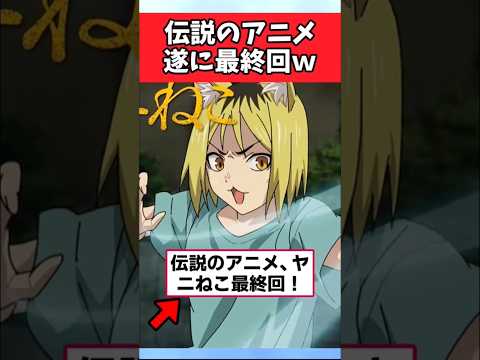
▶ Watch the original YouTube video
The Legend of “Smoking Cat Anime” Concludes: How a Controversial Series Reshaped Anime Expression
The final episode of “Smoking Cat Anime,” a series that pushed boundaries with its frequent depiction of smoking as a core character expression tool, has generated unprecedented emotional responses from viewers. The anime’s bold narrative choices and the mature audience’s receptive reaction reveal significant shifts in how the industry approaches character development and viewer expectations.
What Happened
The final episode of the controversial anime series known as “Smoking Cat Anime” has concluded, sparking intense reactions across social media platforms including Twitter, YouTube, and 5channel forums. Viewers reported unusually strong emotional responses, with many describing the final smoking scenes as pivotal moments that crystallized the character’s psychological journey. The series, which made smoking depictions a central narrative element rather than background detail, has been retrospectively dubbed a “legend” in anime circles for its willingness to challenge conventional storytelling approaches.
Why It Matters
The reception of “Smoking Cat Anime’s” finale represents a broader transformation in the anime industry. As the target demographic has aged—shifting from primarily teenagers and young adults to include viewers in their 30s and 40s—anime production has increasingly adopted mature themes and realistic character portrayals. The series’ success in using smoking as a psychological expression tool demonstrates that audiences are ready for more sophisticated, nuanced character development. Additionally, the series raises important questions about artistic freedom versus social responsibility, particularly given Japan’s increasingly strict public smoking regulations since the 2019 Health Promotion Law amendments.
Background
The anime industry has undergone significant evolution over the past 15 years. Early 2000s late-night anime primarily targeted male viewers aged 15–25, but contemporary productions now cater to a substantially older demographic. This demographic shift has prompted creators to explore more complex character psychology and adult-oriented themes. Smoking depictions, once considered taboo or merely decorative in anime, have gradually evolved into meaningful character expression tools. “Smoking Cat Anime” represents an extreme but deliberate application of this trend, making smoking central to character development rather than incidental to the narrative.
Key Points
- Emotional Intensity: Viewer reactions to the final episode demonstrate significantly higher emotional engagement compared to typical anime conclusions, indicating deeper character investment.
- Psychological Symbolism: The series uses smoking as a primary vehicle for depicting character internal conflict, stress, and philosophical perspective rather than as background detail.
- Demographic Alignment: The predominantly positive reception comes from mature viewers aged 25–45 who project their own life experiences onto the characters, creating deeper empathetic connections.
- Artistic Boundary-Pushing: The series deliberately challenges conventional anime expression norms, positioning smoking depictions as legitimate narrative tools worthy of serious artistic consideration.
- Community Maturity: Online discussions reveal sophisticated, rational debate about artistic freedom versus social responsibility, suggesting fan communities have developed more nuanced critical frameworks.
- Social Commentary: The series implicitly questions the relationship between artistic expression and social taboos during an era of increasingly restrictive smoking regulations.
Timeline
- Early 2000s: Late-night anime primarily targets teenage and young adult male audiences; smoking depictions remain minimal and decorative.
- 2008–2015: Gradual demographic aging of anime audiences; increased representation of adult characters and mature themes in productions.
- 2016: Series like “Yuri!!! on ICE” demonstrate audience appetite for realistic, contemporary subject matter in anime narratives.
- 2018: Games like “Persona 5 Royal” and anime like “JoJo’s Bizarre Adventure: Golden Wind” establish smoking as meaningful psychological expression tool.
- 2019: Japan’s revised Health Promotion Law further restricts public smoking, creating social context for artistic exploration of smoking themes.
- Present: “Smoking Cat Anime” final episode concludes, generating unprecedented discussion about artistic expression and character psychology in anime.
Perspectives
Supportive Interpretation: Viewers and critics who embrace the series argue that smoking depictions effectively communicate character psychological states—stress, resignation, philosophical contemplation—that dialogue alone cannot convey. They contend that the series demonstrates anime’s capacity for sophisticated artistic expression and that mature audiences can distinguish between character behavior and endorsement. This perspective emphasizes artistic freedom and the medium’s evolution toward greater thematic complexity.
Critical Perspective: Some viewers express concern that the frequency of smoking depictions exceeds narrative necessity and worry about potential negative influence on younger viewers. This viewpoint questions whether the artistic merit justifies the social messaging, particularly in a society increasingly hostile to smoking. However, this critical position remains a minority view, with most online discourse acknowledging the legitimacy of both artistic expression and social responsibility concerns.
Industry Analysis: From a production standpoint, the series reflects deliberate creative choices: establishing character maturity and complexity, signaling “adult anime” status, raising questions about expressive boundaries, and building deeper emotional connections with viewers. The final episode’s reception validates these creative decisions, suggesting audiences reward artistic risk-taking when executed with narrative coherence.
Comparative Analysis
When compared to other anime featuring smoking depictions, “Smoking Cat Anime” occupies a unique position. “JoJo’s Bizarre Adventure” incorporates smoking at moderate frequency to symbolize character resolve and philosophy. “Cowboy Bebop” (1998) uses smoking to establish world atmosphere and character identity. “Attack on Titan” includes minimal smoking depiction with limited psychological connection. “Smoking Cat Anime” distinguishes itself through exceptionally high frequency of smoking scenes combined with deep psychological integration—smoking becomes not merely a character trait but a central narrative element reflecting internal psychological states.
Insights
The “Smoking Cat Anime” phenomenon illuminates several significant developments in contemporary anime production and audience expectations. First, the series demonstrates that anime audiences have matured sufficiently to engage with sophisticated artistic choices without requiring explicit moral guidance. Viewers understand that character behavior in fiction need not reflect endorsement, allowing creators greater expressive freedom.
Second, the series’ success indicates that the anime industry’s demographic shift toward older audiences is not merely demographic happenstance but a genuine creative opportunity. Mature viewers bring life experience that enables deeper engagement with complex character psychology, justifying production investments in thematically sophisticated narratives.
Third, the series raises important questions about the relationship between artistic expression and social responsibility. Rather than resolving this tension, “Smoking Cat Anime” productively maintains it, prompting viewers to consider what artistic freedom means in an era of social restrictions. This intellectual engagement may ultimately prove more valuable than simple endorsement or rejection.
Finally, the series’ reception suggests that anime’s future lies in greater expressive diversity. As the medium matures, audiences increasingly reward creators willing to challenge conventional boundaries, provided such challenges serve genuine narrative purposes. “Smoking Cat Anime’s” status as a “legend” reflects not merely its controversial content but its successful integration of that content into meaningful character development—a model likely to influence future productions seeking to balance artistic ambition with audience expectations.