▶ Watch the original YouTube video
Moria’s Shocked Reaction to Nami’s Invisibility: Why This One Piece Scene Captivates Fans
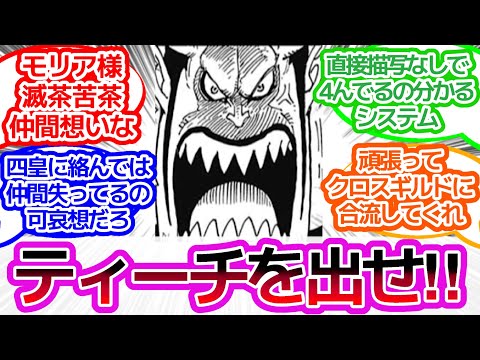
A pivotal moment in One Piece’s Thriller Bark arc has sparked intense fan discussion: Moria’s shocked exclamation upon discovering Nami’s invisibility ability. This scene reveals far more than a simple combat twist—it exposes the psychological vulnerability of a complex antagonist and marks a critical turning point in the narrative.
What Happened
During the Thriller Bark arc, Moria—the arc’s primary antagonist—experiences a moment of shock when he realizes that Nami is using her invisibility ability against him. His exclamation, delivered with visible bewilderment and alarm, marks a significant shift in the battle dynamics. Up to this point, Moria had demonstrated overwhelming superiority, leaving the Straw Hat crew in a seemingly hopeless situation. This moment of realization shatters the illusion of his invincibility and signals that the tide of battle may be turning.
Why It Matters
This scene is significant because it transcends typical action sequences. It reveals the psychological depth of an antagonist who, despite his formidable power, is not infallible. The moment humanizes Moria by showing his capacity for doubt and concern—qualities that make him a more compelling character than a one-dimensional villain. For viewers, this scene represents a narrative turning point: the recognition that even seemingly dominant forces have limitations. This psychological vulnerability, combined with the voice actor’s nuanced performance, creates an emotional resonance that has made the scene memorable across the fan community.
Background
Moria is a complex character whose motivations extend beyond simple villainy. A former ship captain who suffered a devastating defeat at the hands of Kaido, Moria turned to collecting shadows to artificially amplify his power—a desperate attempt to compensate for his perceived weakness. The Thriller Bark arc, which aired in 2009, presented Moria as an antagonist shaped by trauma and obsession rather than pure malice. His character arc demonstrates how past failures can drive individuals toward increasingly desperate measures. When Moria discovers that his seemingly invincible position is compromised by an ability he hadn’t fully accounted for, it represents a confrontation with the very limitations that have haunted him throughout his journey.
Key Points
- Scene Overview: Moria’s shocked reaction upon discovering Nami’s invisibility ability represents a critical moment where his perceived dominance is challenged.
- Character Humanization: The scene reveals Moria’s vulnerability and capacity for doubt, making him a more nuanced antagonist than a purely evil villain.
- Voice Acting Excellence: The voice actor’s delivery conveys multiple layers of emotion—surprise, concern, and self-doubt—elevating the scene’s emotional impact.
- Narrative Turning Point: This moment signals a shift in battle momentum and foreshadows the potential reversal of the conflict’s trajectory.
- Fan Reception: The scene has generated overwhelmingly positive responses across social media platforms, with fans praising both the character development and the voice performance.
- Broader Thematic Significance: The scene exemplifies One Piece’s strength in portraying antagonists as complex, psychologically rich characters rather than simple obstacles to overcome.
Timeline
- 2009: Thriller Bark arc airs as part of One Piece’s anime adaptation.
- During Arc: Moria establishes dominance over the Straw Hat crew through overwhelming power.
- Critical Moment: Nami employs her invisibility ability, prompting Moria’s shocked reaction.
- Aftermath: The discovery catalyzes a shift in battle dynamics and character development.
- Present Day: The scene continues to generate discussion and analysis within the fan community.
Perspectives
Fan Appreciation: The majority of fan responses celebrate this scene as a masterclass in character development and voice acting. Social media platforms, particularly Twitter and YouTube, overflow with positive commentary highlighting the emotional depth of Moria’s reaction and the skill of the voice actor in conveying complex emotions through a single line of dialogue.
Critical Analysis: Some viewers argue that the scene, while effective, could have been followed by more substantial character development for Moria. These critics suggest that the moment of vulnerability deserved deeper exploration in subsequent narrative developments, questioning whether Moria’s character received sufficient follow-up attention.
Narrative Perspective: From a storytelling standpoint, the scene exemplifies modern anime’s shift toward portraying antagonists as psychologically complex figures rather than one-dimensional obstacles. This approach aligns with broader industry trends that prioritize nuanced character development across all character types.
Insights
This scene encapsulates one of One Piece’s defining strengths: the humanization of antagonists through careful psychological portrayal. Moria’s shocked reaction is not merely a plot device—it is a window into the character’s internal state, revealing how past trauma and present limitations intersect to create a complex, relatable figure. The scene demonstrates that compelling antagonists are not those who remain invulnerable, but those who display recognizable human qualities: doubt, concern, and the capacity to be surprised.
The overwhelmingly positive fan response indicates that audiences increasingly value antagonists who exhibit psychological depth and vulnerability. This preference reflects a broader shift in storytelling philosophy, where character complexity supersedes simple power hierarchies. Moria’s moment of shock serves as a narrative anchor—a point where viewers recognize that even formidable opponents are subject to the same uncertainties and limitations that affect all characters.
Furthermore, the scene’s enduring impact suggests that One Piece’s success extends beyond action sequences and plot developments. The series’ ability to invest viewers emotionally in antagonist characters, to make them care about the internal struggles of those opposing the protagonists, represents a sophisticated approach to narrative construction. This investment transforms what could be a simple combat scene into a moment of genuine dramatic significance, one that continues to resonate with fans years after its initial broadcast.