▶ Watch the original YouTube video
Chopper’s romantic storyline in One Piece has sparked intense debate among fans, with reactions ranging from enthusiastic support to outright rejection. A 15-year veteran viewer analyzes the psychology behind these divided opinions, comparing Chopper’s character arc to similar developments in other major anime series.
What Happened
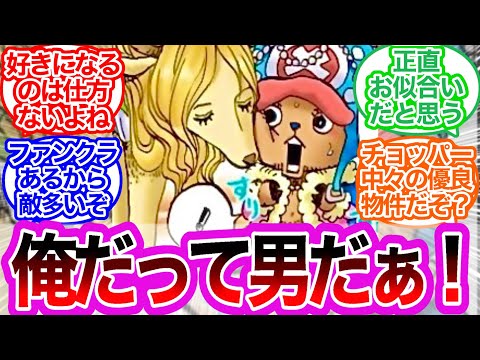
A reaction compilation video has surfaced highlighting diverse fan responses to Chopper’s romantic development in One Piece. The video showcases the stark contrast between viewers who see romance as essential character growth and those who fear it undermines Chopper’s defining “cute” attribute. This polarization reflects a deeper tension in how audiences perceive character development versus character preservation.
Why It Matters
Chopper’s romantic arc represents a critical moment in One Piece’s narrative evolution. The character’s fundamental desire to “become human” inherently includes developing human emotions like romantic love. However, this conflicts with fan expectations of Chopper as an eternally innocent, endearing figure. Understanding this debate illuminates broader questions about character growth, fan psychology, and how creators balance narrative progression with audience attachment to established character archetypes.
Background
Chopper was introduced as the Straw Hat crew’s ship doctor with a distinctive “cute” appeal that contrasts sharply with his internal struggle to achieve humanity. Creator Eiichiro Oda deliberately positioned this contradiction as central to Chopper’s character depth. Over 15 years of One Piece’s serialization, hints of romantic feelings have gradually emerged, creating ambiguity that has become increasingly difficult for audiences to ignore. This ambiguity differs markedly from how other major shonen manga handle romance, with series like Naruto embracing explicit romantic development while Hunter x Hunter largely avoids it.
Key Points
- The Cuteness Paradox: Chopper’s “cute” attribute creates a gap between mainstream shonen audience expectations and the character’s underlying desire for human maturity, including romantic emotions.
- Ambiguity as Catalyst: Unlike clearer romantic depictions in Attack on Titan (Armin) or Naruto, Chopper’s suggestive but unconfirmed romantic feelings generate more fan debate due to interpretation gaps.
- Character Psychology: Chopper’s desire to “become human” logically extends to experiencing human emotions; romance represents a natural progression of this core motivation.
- Fan Idealization Conflict: Fans have constructed an idealized image of Chopper as eternally innocent; romantic development threatens this fantasy, creating psychological resistance.
- Industry Trends: Recent anime trends increasingly link character growth with romantic development, reflecting aging viewership and demand for narrative complexity.
- Creator’s Middle Ground: Oda’s approach—suggesting romance without explicit confirmation—differs from both Kubo’s restraint (Bleach) and Kishimoto’s embrace (Naruto).
Comparative Analysis
Examining similar character arcs across major anime reveals patterns in how romance affects fan reception:
One Piece (Chopper): Ambiguous, suggestive approach generates divided opinions and ongoing debate.
Attack on Titan (Armin): Direct, explicit romantic depiction receives mixed but predominantly positive reception, as it clearly serves character development.
Naruto (Naruto): Gradual, growth-linked romantic progression receives broad acceptance because romance emerges naturally from character maturation.
Hunter x Hunter (Gon): Near-complete avoidance of romantic depiction generates minimal fan discussion, preserving character “purity” but potentially limiting growth exploration.
The correlation is clear: explicit romantic depiction, when tied to character development, generates more unified fan response than ambiguous suggestions that invite contradictory interpretations.
Perspectives
Pro-Romance Interpretation: Supporters argue that Chopper’s fundamental desire to “become human” necessarily includes experiencing romantic love. Romance represents authentic human emotion and validates Chopper’s journey toward humanity. This perspective emphasizes character growth and narrative completion.
Anti-Romance Interpretation: Critics contend that Chopper’s defining appeal lies in his innocent, devoted-to-medicine characterization. Romantic development threatens this idealized image and represents unnecessary narrative complication. This perspective prioritizes character consistency and fan comfort.
Neutral Perspective: Some viewers remain indifferent, suggesting that execution and narrative integration matter more than romance’s mere presence. This view emphasizes storytelling quality over character attribute preservation.
The diversity of these perspectives reflects how different audience segments value different aspects of character identity—growth versus consistency, realism versus idealization.
Psychological Dimensions
The fan response divide stems from a fundamental psychological mechanism: the collision between idealized character fantasy and realistic human development. Fans have constructed a version of Chopper that excludes mature romantic emotion, creating a psychological investment in maintaining that image. When narrative hints suggest romantic feelings, this idealized fantasy destabilizes.
This mirrors observed phenomena in other media—gaming franchises like Fire Emblem experience similar fan divisions when cute characters receive romantic options, and idol simulation games generate comparable resistance when idealized character images are complicated by romantic realism.
The ambiguity of Chopper’s romantic arc intensifies this psychological tension. Explicit depiction would force acceptance or rejection; ambiguity allows fans to maintain contradictory interpretations simultaneously, creating ongoing interpretive conflict.
Future Trajectory Predictions
Scenario One—Romantic Clarification: Explicit confirmation of Chopper’s romantic feelings would intensify fan division but provide narrative closure. This approach prioritizes character completeness over audience comfort.
Scenario Two—Emotional Sublimation: Converting romantic feelings into deeper dedication to medicine or adventure would honor Chopper’s character while avoiding explicit romance. This approach respects both character development and fan attachment to his core identity.
Based on Oda’s demonstrated skill at transforming character emotions into narrative growth, Scenario Two appears more likely. Oda historically excels at channeling character feelings into purposeful action rather than explicit emotional declaration.
Practical Viewing Guidance
Multi-Perspective Analysis: Examine Chopper’s romantic scenes through multiple lenses—character psychology, narrative structure, creator intent. Repeated viewing from different analytical angles reveals new dimensions.
Historical Context: Review Chopper’s foundational episodes (Drum Kingdom arc, initial introduction) to understand how his character formation informs current romantic development. This historical grounding makes emotional progression feel more organic.
Comparative Viewing: Watch similar character arcs in Attack on Titan (Armin), Demon Slayer (Tanjiro), and other series featuring cute characters navigating maturity. Comparative analysis clarifies Chopper’s unique position within anime character archetypes.
Insights
Chopper’s romantic arc transcends simple “cute character romance” discourse. It represents a fundamental narrative question: Can a character simultaneously maintain their defining attribute while authentically developing? The answer appears to be yes—but only if audiences accept that growth necessarily transforms idealized images.
The fan division reflects broader cultural tensions about character ownership. Audiences invest emotional energy in characters and develop possessive relationships with their perceived identity. When creators develop those characters beyond fan-constructed boundaries, conflict emerges.
Ultimately, Chopper’s romantic development should be understood not as a threat to his character but as the logical fulfillment of his core motivation—becoming fully human. Romance, as a fundamental human emotion, represents the completion of his journey, not its corruption. Whether fans embrace or resist this completion depends on whether they prioritize character growth or character preservation—a choice that reveals as much about viewer psychology as it does about narrative design.