▶ Watch the original YouTube video
Why Goku Forgetting His Own Name Reveals Dragon Ball’s True Magic
A viral Dragon Ball Super scene shows Goku forgetting his own name, prompting an exasperated reaction from his son Gohan. This seemingly comedic moment reveals the series’ core appeal: the humanity beneath the superhuman battles, and how the franchise has evolved to prioritize character relationships over pure spectacle.
What Happened
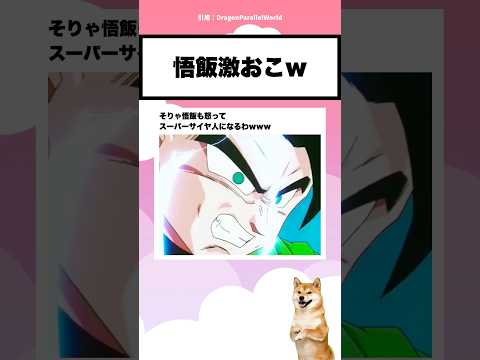
In a recent Dragon Ball Super scene that has circulated widely on YouTube Shorts, Goku forgets his own name—the most fundamental aspect of his identity. Gohan reacts with a mixture of exasperation and concern, a response that encapsulates the complex father-son dynamic that has defined their relationship throughout the series. The scene is comedic on the surface, but it carries deeper thematic weight about identity, character consistency, and what makes Dragon Ball resonate with audiences after nearly four decades.
Why It Matters
This moment matters because it demonstrates a fundamental shift in how modern anime approaches storytelling. Rather than focusing exclusively on escalating power levels and increasingly elaborate battle sequences, Dragon Ball Super has begun emphasizing the everyday, human moments that ground its characters. The scene has generated significant discussion online, with viewers expressing that these mundane interactions often resonate more deeply than epic combat sequences. This reflects a broader industry trend toward character-driven narratives that prioritize emotional authenticity over spectacle alone.
Background
Dragon Ball began serialization in 1984 and has maintained cultural relevance for nearly 40 years. The franchise has evolved through multiple iterations: the original Dragon Ball, Dragon Ball Z, and the current Dragon Ball Super. Throughout this evolution, Goku has remained fundamentally unchanged—a simple, combat-obsessed individual whose priorities often conflict with his responsibilities as a father and family member. This consistency is intentional; it defines his character and creates the comedic and dramatic tension that has sustained the series across generations.
Gohan, Goku’s son, has always served as the emotional anchor to Goku’s recklessness. Where Goku pursues strength without hesitation, Gohan struggles with the weight of family expectations and his father’s absence. Their dynamic has been central to Dragon Ball’s narrative since Gohan’s introduction in Dragon Ball Z.
Key Points
- Character Consistency Over Power Escalation: Goku forgetting his own name demonstrates that no matter how powerful he becomes, his fundamental nature—simple, single-minded, sometimes irresponsible—remains unchanged.
- Gohan’s Complex Response: His exasperation masks deeper concern, reflecting the realistic emotional complexity of a child dealing with a parent’s eccentricity and unreliability.
- Shift in Narrative Focus: Dragon Ball Super increasingly prioritizes everyday character moments over pure combat sequences, reflecting modern audience preferences.
- Thematic Depth: The scene symbolizes the danger of losing oneself in pursuit of power—a central theme of the series that extends beyond physical strength.
- Generational Transition: The scene underscores the series’ movement toward next-generation characters (Gohan, Goten) inheriting the narrative, suggesting a more responsible approach to adulthood and responsibility.
- Audience Connection: Viewers respond more emotionally to these human moments than to superhuman feats, indicating that relatability trumps spectacle in modern storytelling.
Timeline
- 1984: Dragon Ball begins serialization, establishing Goku as a pure-hearted, combat-obsessed protagonist.
- 1989–1996: Dragon Ball Z introduces Gohan and develops the father-son dynamic, with Goku’s irresponsibility becoming a recurring source of tension.
- 2015 onward: Dragon Ball Super continues the series, increasingly emphasizing character flaws and everyday moments alongside combat.
- Recent years: The scene of Goku forgetting his name circulates on social media, generating widespread discussion about character authenticity and narrative priorities.
Perspectives
The Positive Interpretation: This scene exemplifies Dragon Ball’s genius—the ability to balance epic storytelling with genuine human moments. Goku’s forgetfulness is not a flaw but a feature; it reinforces that strength and simplicity coexist in his character. Gohan’s response demonstrates emotional maturity and acceptance of his father’s nature. The scene celebrates the idea that imperfect parents and complex family relationships are more interesting than idealized versions.
The Critical Perspective: The scene also raises questions about parental responsibility. Goku’s behavior—forgetting his own name, prioritizing training over family—could be interpreted as irresponsible rather than endearing. Some viewers argue that the series romanticizes parental neglect by framing it as comedic. This perspective highlights the tension between finding humor in character flaws and acknowledging real harm such behavior might cause.
The Industry Context: From a production standpoint, this scene reflects a deliberate creative choice to humanize characters. Modern anime audiences, shaped by shows like Attack on Titan, Jujutsu Kaisen, and My Hero Academia, increasingly prefer protagonists with genuine flaws. Dragon Ball Super’s inclusion of such moments suggests the franchise is adapting to contemporary storytelling preferences while maintaining its identity.
Insights
The viral success of this scene reveals several important truths about Dragon Ball and modern entertainment. First, the franchise’s longevity stems not from power escalation alone, but from consistent character writing. Goku in 2024 is fundamentally the same person he was in 1984—and audiences find comfort in that consistency.
Second, the scene demonstrates that emotional authenticity resonates more powerfully than spectacle. While Dragon Ball Super features increasingly elaborate battles, this simple moment of a father forgetting his name generates more online discussion and emotional connection than many action sequences.
Third, the scene embodies a broader industry shift toward character-driven narratives. The “slice-of-life” genre has exploded in popularity, and even action-heavy franchises now recognize that audiences crave moments of genuine human interaction. Dragon Ball Super’s integration of everyday scenes alongside combat represents a sophisticated approach to balancing different narrative modes.
Finally, the scene speaks to generational themes. Gohan’s response—exasperated but caring—suggests that the next generation will inherit not just power, but also the responsibility to be better, more present parents. This thematic evolution indicates that Dragon Ball is not merely repeating its formula but actively exploring how its characters grow and change across time.
The enduring appeal of Dragon Ball lies in its recognition that humanity matters more than invincibility. A warrior who forgets his own name is, paradoxically, more interesting than one who remembers everything perfectly. And a son who loves his flawed father is more relatable than one who idolizes an idealized version. This scene, in its simplicity, captures the essence of why Dragon Ball has remained relevant for four decades.