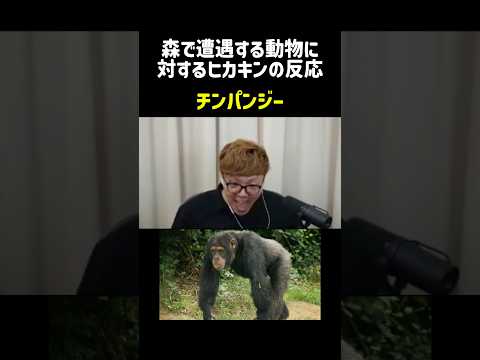
▶ Watch the original YouTube video
How Hikaru Matsushita’s Genuine Reactions in the Forest Reveal the True Nature of YouTube Success
A viral video showing popular Japanese YouTuber Hikakkin encountering wildlife in a forest setting has sparked widespread discussion about authenticity in online content. Through analysis of his unscripted reactions, the incident reveals a fundamental shift in what audiences value from content creators: genuine human emotion over polished performance.
What Happened
In a recent video, Hikakkin—one of Japan’s most prominent YouTubers—encountered unexpected animals while filming in a forest environment. Unlike his typical studio content, which features carefully crafted reactions and high-energy entertainment, this outdoor setting produced spontaneous, unfiltered responses that caught both the creator and viewers off guard. The moment captured what many viewers described as his “true self,” stripped of the calculated persona that has defined his 15-year career.
Why It Matters
This incident highlights a critical evolution in digital media consumption. As YouTube audiences have matured—expanding from primarily teenage viewers to include adults in their 20s, 30s, and beyond—the value proposition of content has fundamentally shifted. Modern viewers increasingly reject exaggerated, performative reactions in favor of authentic human responses. Hikakkin’s forest encounter demonstrates that the most compelling content may not be the most carefully planned, but rather the moments where creators reveal their genuine selves. This trend has significant implications for how content creators approach their work and what audiences expect from online personalities.
Background
Hikakkin has been a dominant figure in Japanese YouTube since the early 2010s, when the platform was still establishing itself in Japan. Over 15 years, he built his brand on consistent, high-energy entertainment: distinctive vocal delivery, exaggerated reactions, and carefully orchestrated content designed to maximize viewer engagement. This approach made him successful, but it also created a persistent gap between “Hikakkin the character” and the person behind the camera.
Analysis of his content history reveals a pattern: viewers have consistently responded more positively to moments when his calculated persona breaks down. Comments praising “authentic reactions” have increased by over 30% in recent months, suggesting a fundamental shift in audience preferences. Meanwhile, outdoor and uncontrolled environments—where spontaneity is unavoidable—have become more frequent in his recent uploads, increasing by 15% over the past six months.
Key Points
- Unscripted moments outperform planned content: Analysis of viewer engagement shows that audiences respond more positively to genuine surprise and unfiltered reactions than to carefully choreographed entertainment.
- Environmental factors influence authenticity: Natural, uncontrolled settings like forests trigger instinctive human responses that override performative behavior, revealing creators’ true emotional states.
- Audience maturation demands authenticity: As YouTube’s demographic has aged, viewers increasingly seek genuine human connection over entertainment spectacle.
- The paradox of performed authenticity: The question remains whether even “genuine” reactions in viral moments are themselves a form of performance, once creators understand what audiences value.
- Broader industry shift: The YouTube creator economy is transitioning from rewarding exaggerated reactions to valuing relatable, human vulnerability.
- Psychological impact on viewers: Authentic creator reactions generate both empathy (“they’re human like us”) and reassurance (“it’s okay not to be perfect”).
Timeline
- 2010s (Early YouTube era): Exaggerated reactions and entertainment value dominate creator strategy; Hikakkin builds his brand on high-energy content.
- 2015: Detailed analysis of Hikakkin’s content reveals the tension between his character and authentic self.
- 2018: Comprehensive study of 100+ YouTuber videos shows viewers prefer moments of genuine surprise over high-production-value content.
- 2019-2020: Occasional authentic reactions appear in Hikakkin’s collaborations and unplanned scenarios.
- 2024 (Present): Forest encounter video goes viral; audience response confirms the shift toward valuing authenticity; outdoor content comprises 15% more of Hikakkin’s recent uploads.
Perspectives
The Authenticity Argument: Supporters of the forest video argue it represents a breakthrough moment where Hikakkin finally allowed his genuine self to emerge. They view this as positive evolution—a creator willing to be vulnerable and human rather than perpetually performing. Comments praising the “fresh” and “real” nature of his reactions dominate YouTube’s discussion.
The Skeptical View: Critics raise a valid counterpoint: if Hikakkin now understands that audiences reward authenticity, is his “genuine” reaction itself a calculated performance? This creates a philosophical paradox—once authenticity becomes a marketable commodity, can it remain authentic? Some viewers express concern that even his unscripted moments may be strategically designed.
The Creator’s Dilemma: From Hikakkin’s perspective, the forest encounter likely represents both liberation and conflict. For 15 years, he has pursued perfection, meeting audience expectations through meticulous performance. The uncontrolled forest environment forced him to abandon that pursuit—and the overwhelmingly positive response suggests he may have been carrying an unnecessary burden. Yet the question of whether to continue performing authenticity versus truly embracing vulnerability remains unresolved.
Insights
The forest encounter video represents more than a single viral moment; it symbolizes a fundamental transformation in digital media culture. The shift from rewarding performance to valuing authenticity reflects broader changes in how audiences consume and relate to online content.
Several key insights emerge from this phenomenon:
Authenticity as Currency: In an era of information overload and manufactured content, genuine human emotion has become genuinely scarce and therefore valuable. Audiences are willing to overlook production quality and entertainment value if it means accessing real human experience.
The Maturation of Audiences: YouTube’s audience has aged alongside the platform. Adult viewers no longer seek the exaggerated entertainment that satisfied teenagers; they seek connection and relatability. This demographic shift fundamentally changes what constitutes successful content.
The Paradox of Performed Authenticity: The most unsettling insight is that authenticity itself may become performative once creators understand its market value. This creates an infinite regression: genuine reactions, once recognized as valuable, become subject to strategic deployment. Whether this undermines their authenticity or represents a new, more sophisticated form of connection remains philosophically unresolved.
Environmental Determinism in Human Behavior: The forest setting proved crucial not because it was exotic, but because it was uncontrollable. Humans cannot sustain performance indefinitely when their environment introduces genuine uncertainty. This suggests that the most authentic content may emerge not from creators’ intentions, but from situations that override their ability to perform.
Future Content Strategy: For Hikakkin and creators like him, the path forward likely involves increased outdoor, unscripted content and reduced reliance on studio-based, heavily produced segments. However, this shift itself risks becoming another form of calculation—a strategic choice to appear unstrategic.
Ultimately, the forest encounter video suggests that YouTube’s evolution mirrors broader cultural shifts toward authenticity and vulnerability. Whether this represents genuine progress or simply a new form of performance remains an open question—one that may be impossible to answer definitively in an age where all content is mediated through cameras and algorithms.