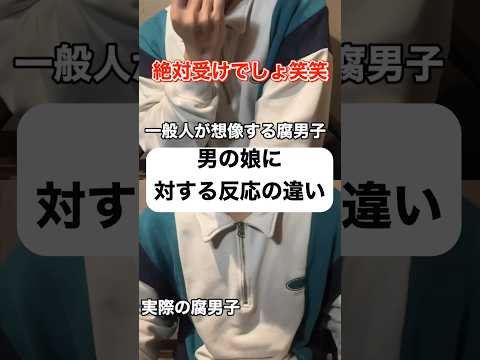
▶ Watch the original YouTube video
How Different Fan Communities Interpret Feminine Male Characters in Anime: A 15-Year Analysis
Over 15 years of observing anime fan culture, distinct communities—including BL enthusiasts, male BL fans, and general audiences—interpret feminine male characters through fundamentally different lenses. This analysis reveals how the same character can simultaneously represent relationship possibilities, psychological complexity, or simple narrative function depending on the viewer’s community and perspective.
What Happened
A long-term observer of anime fandom has documented how three primary fan communities respond differently to feminine male characters (often called “otoko no ko” in Japanese fan culture). Since 2009, when the author first noticed heated debates about a character’s true gender on an anime forum, the interpretation of such characters has evolved significantly. Through watching over 500 anime titles and analyzing fan behavior across communities, a clear pattern has emerged: the same character receives vastly different interpretations based on the viewer’s community affiliation.
The three main communities—BL-focused female fans (fujoshi), male BL fans (腐男子), and general anime audiences—each project their own interests and psychological frameworks onto these characters, creating parallel but distinct fan experiences.
Why It Matters
Understanding these interpretive differences matters because it reveals how fan communities construct meaning from media and how diverse, coexisting interpretations can enrich rather than fragment fandom. As anime and gaming communities continue to grow globally, the ability of different fan groups to respect multiple valid readings of the same character demonstrates cultural maturity. Additionally, this phenomenon highlights how character design choices—particularly gender presentation—can serve multiple narrative and psychological functions for different audiences, including LGBTQ+ communities seeking representation and affirmation.
Background
The author’s journey began in 2009 as a university student when they witnessed an intense online debate about a character’s gender. This sparked 15 years of systematic observation across major anime and gaming franchises including “Fate/stay night,” “Fate/Grand Order,” “Twisted Wonderland,” “Osomatsu-san,” and “Attack on Titan.” In 2012, attendance at a Fate-related event provided direct insight into how fujoshi (female BL fans) approached these characters. Between 2016-2017, conversations with male BL fans revealed their distinct psychological engagement. A 2018 informal survey of approximately 200 general anime fans showed that only 15% of comments specifically mentioned gender-related aspects, with most responses focusing on character cuteness or narrative role.
The evolution of how these characters are written has also changed. Early 2000s portrayals often treated feminine male characters as comedic or erotic elements, while contemporary works like “Twisted Wonderland” (2019) present them as psychologically complex individuals, enabling more nuanced fan interpretations.
Key Points
- Fujoshi (Female BL Fan) Interpretation: These fans focus on relationship possibilities between characters rather than the character’s own gender identity. They view feminine male characters as introducing “complexity” and “secrecy” that enriches potential romantic narratives between characters, particularly evident during the “Osomatsu-san” boom of 2015.
- Male BL Fan Interpretation: This community experiences simultaneous sexual and psychological interest in feminine male characters. They are drawn to the gap between feminine appearance and masculine internal nature, viewing the character as a multifaceted individual rather than a simple object of desire.
- General Audience Interpretation: Mainstream anime fans prioritize character cuteness, personality, and narrative function over gender-related aspects. A 2018 survey found that gender considerations comprised only 15% of general fan commentary about these characters.
- Community Evolution: From 2010 to 2024, fan discourse has shifted from relatively uniform reactions to a more inclusive environment where multiple valid interpretations coexist and are increasingly respected across communities.
- LGBTQ+ Perspective: Since 2018, sexual minority communities have engaged with these characters as affirmations of their own identities, particularly transgender and genderqueer individuals who see representation in these portrayals—a fundamentally different relationship than other fan groups.
- Industry Impact: Character writing has evolved from treating feminine male characters as one-dimensional comedic or erotic elements to portraying them as psychologically complex individuals with trauma, family backgrounds, and internal contradictions.
Timeline
- 2009: Author first witnesses intense online debate about a character’s true gender, sparking 15 years of systematic observation.
- 2012: Attendance at Fate-related event provides direct insight into fujoshi fan interpretation methods and priorities.
- 2015: “Osomatsu-san” boom demonstrates parallel pushing strategies—fujoshi creating relationship narratives while general audiences enjoy character cuteness.
- 2016-2017: Extended conversations with male BL fans reveal their distinct psychological engagement with character complexity and appearance-personality gaps.
- 2018: Informal survey of 200 general anime fans shows only 15% mention gender-related aspects. LGBTQ+ community commentary increases on social media platforms.
- 2019: “Twisted Wonderland” releases, exemplifying modern trend of portraying feminine male characters as psychologically complex individuals rather than one-dimensional archetypes.
- 2023-2024: Cross-community dialogue increases, with fans from different groups explicitly acknowledging and respecting alternative interpretations while maintaining their own perspectives.
Perspectives
The Fujoshi Perspective: Female BL fans view feminine male characters primarily through the lens of “relationship possibility.” When encountering such a character, they immediately imagine narrative scenarios involving that character and their preferred character pairings. Their interest centers on psychological depth—”What is this character really thinking?” and “What hidden truths lie beneath the surface?”—rather than the character’s gender presentation itself. The gender becomes a narrative tool that introduces complexity and secrecy into potential romantic storylines.
The Male BL Fan Perspective: Male BL fans experience a more psychologically layered attraction. They simultaneously appreciate the feminine aesthetic while engaging with the character’s masculine internal nature. This creates what they describe as a “gap appeal”—the pleasure of reconciling contradictory aspects. They approach these characters as complete individuals deserving psychological analysis, not merely as objects of desire. Their engagement combines aesthetic appreciation with genuine curiosity about character psychology and motivation.
The General Audience Perspective: Mainstream anime fans prioritize narrative function and character personality over gender-related considerations. A feminine male character is evaluated primarily on whether they are “cute,” “interesting,” or “enhance the story.” The gender setting is background information rather than a central interpretive lens. These fans engage with the character’s role in the overall narrative rather than exploring the implications of their gender presentation.
The LGBTQ+ Perspective: Sexual and gender minority communities engage with these characters as potential affirmations of their own identities. Transgender and genderqueer individuals may see these characters as representations of their lived experiences or aspirational expressions of identity. This represents a fundamentally different relationship—not interpretation for entertainment purposes, but recognition of self in media representation.
Insights
The divergent interpretations of feminine male characters in anime reveal several important truths about fan communities and media consumption. First, the same creative work can simultaneously support multiple valid readings without contradiction. A character can function as a relationship catalyst for one community, a psychological study for another, a narrative device for a third, and a representation of identity for a fourth. This multiplicity indicates cultural maturity rather than confusion.
Second, the evolution from 2009 to 2024 shows that fan communities are becoming increasingly sophisticated in recognizing and respecting interpretive diversity. The 2023-2024 trend of cross-community dialogue—where fans explicitly acknowledge alternative perspectives as legitimate—suggests a healthier fandom ecosystem than existed 15 years ago.
Third, character writing has responded to this interpretive diversity. Modern portrayals of feminine male characters as psychologically complex individuals with trauma, family backgrounds, and internal contradictions provide richer material that can sustain multiple interpretive frameworks simultaneously. This creates a positive feedback loop where more nuanced character writing enables more sophisticated fan engagement.
However, a cautionary note emerges: the risk of interpretive extremism persists. When any community dismisses others’ readings as invalid or offensive—whether fujoshi dismissing general audiences as “not understanding the work” or general audiences dismissing fujoshi as “inappropriate”—the ecosystem fragments. The healthiest path forward involves each community maintaining confidence in their own interpretive framework while actively respecting the legitimacy of others.
Finally, the existence of LGBTQ+ engagement with these characters highlights an often-overlooked dimension: for some viewers, these characters represent not entertainment interpretation but identity affirmation. This adds ethical weight to how these characters are portrayed and discussed, suggesting that fan communities should remain conscious of the real-world significance these representations carry for marginalized audiences.
Practical Guidance for Fans
For Fujoshi: Deepen your engagement by studying the character’s psychology in the original work before creating derivative fiction. Understanding the character’s authentic motivations and internal conflicts produces more compelling and convincing creative work. The richest fan creations emerge from deep textual analysis rather than surface-level character attraction.
For Male BL Fans: Explore the reasons behind a character’s feminine presentation. Most often, this aesthetic choice connects to psychological complexity, trauma, or identity struggles. In games like “Twisted Wonderland,” investigating character backgrounds, family dynamics, and psychological wounds reveals layers that transform casual appreciation into meaningful engagement.
For General Audiences: Consider examining the gender-presentation aspect of these characters. Reflect on how this design choice influences the narrative, affects character psychology, or shapes their role in the story. This additional analytical layer deepens overall comprehension and appreciation of the work.
For All Communities: Actively listen to how other fan groups interpret shared characters. Different perspectives illuminate aspects you may have overlooked, enriching your own understanding without requiring you to abandon your interpretive framework.