▶ Watch the original YouTube video
Uma Musume’s 2026 Arc de Triomphe Shutdown Sparks Major Player Backlash: What It Means for Gaming
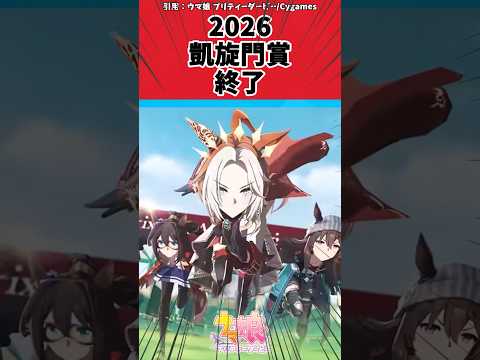
Cygames announced that the Arc de Triomphe—the flagship endgame event in Uma Musume Pretty Derby—will conclude in 2026, triggering widespread concern among players about the game’s future and their long-term investment in character development. The decision has divided the community and raised critical questions about how live-service games communicate major changes to their player base.
What Happened
Uma Musume Pretty Derby, a popular mobile game that launched in March 2021, announced that the Arc de Triomphe—its most prestigious in-game racing event—will end in 2026. The Arc de Triomphe has served as the ultimate goal for players since the game’s launch, with trainers (players) spending years developing their favorite horse characters to compete in this elite race. The announcement has generated significant concern across the player community, with many questioning whether this signals the beginning of the game’s decline or eventual shutdown.
Why It Matters
The Arc de Triomphe shutdown represents more than a routine content update—it strikes at the core of Uma Musume’s appeal. For many players, reaching this event has been the primary long-term goal driving daily engagement. The announcement raises broader questions about how live-service games manage player expectations, communicate strategic decisions, and maintain community trust when making fundamental changes to their core gameplay loop. This situation has implications for the entire gaming industry as developers increasingly face the challenge of balancing new player accessibility with veteran player retention.
Background
Uma Musume Pretty Derby is a mobile game that reimagines real-world racehorses as anime characters, allowing players to develop their favorite horses and race them in historically accurate competitions. The Arc de Triomphe, one of horse racing’s most prestigious real-world events, became the game’s ultimate endgame objective. Since launch, players have invested substantial time and resources to develop characters capable of competing at this level. The game has experienced significant growth but also the typical challenges of long-running live-service titles, including power creep and increasing barriers to entry for new players.
Key Points
- Arc de Triomphe Ending in 2026: Uma Musume’s most prestigious in-game event will be discontinued, removing the primary long-term goal that has motivated players since launch.
- Player Confusion and Disappointment: The announcement has generated widespread concern, with trainers expressing confusion about the decision and disappointment about losing their primary objective.
- Service Continuity Concerns: Many players fear the Arc de Triomphe shutdown may signal the beginning of the game’s overall decline or eventual service termination.
- Character Development Impact: Players who have structured their character development around reaching the Arc de Triomphe now face uncertainty about their long-term progression strategy.
- Community Divided: The player base has split into factions—those accepting the decision and those actively opposing it—with limited information about replacement content fueling the divide.
- Lack of Replacement Content Details: The absence of clear information about alternative endgame goals has amplified player anxiety and skepticism about the decision’s rationale.
Timeline
- March 2021: Uma Musume Pretty Derby launches with the Arc de Triomphe as its flagship endgame event.
- 2021–2026: Arc de Triomphe serves as the primary long-term goal for the player base.
- 2026: Scheduled end date for the Arc de Triomphe event.
- Current: Announcement of the shutdown triggers significant community backlash and speculation about the game’s future.
Perspectives
Player Perspective: Many players view the Arc de Triomphe shutdown as a betrayal of their long-term investment. They have spent years developing characters specifically to compete in this event, and its removal invalidates that effort. Additionally, players draw parallels to past gaming experiences where major event cancellations preceded full service shutdowns, amplifying their anxiety about Uma Musume’s future viability.
Developer Rationale: From the production side, the decision likely stems from addressing game health concerns. Power creep over five years has made the Arc de Triomphe increasingly inaccessible to new players, requiring six months to a year of character development before participation becomes feasible. This creates a significant barrier to entry that contradicts industry trends toward lowering new player onboarding friction. The shutdown may represent an attempt to reset the endgame structure and improve accessibility.
Industry Context: Similar events have been discontinued in other major titles—Monster Strike’s “Bestow Divinity” dungeon (2018), Puzzle & Dragons’ technical dungeons (2019), and Granblue Fantasy’s legacy high-difficulty events (2020)—with varying degrees of player acceptance. The difference between successful transitions and community backlash typically hinges on whether replacement content was announced simultaneously with the shutdown notice.
Insights
The Uma Musume Arc de Triomphe situation illustrates a critical challenge in live-service game management: the tension between maintaining game health and preserving player investment. After 15 years of observing gaming industry trends, several patterns emerge from this case.
First, player resistance to change is rarely about the change itself—it stems from insufficient explanation and lack of visible replacement value. Granblue Fantasy successfully managed similar transitions by announcing superior alternative content simultaneously with event discontinuation. Monster Strike’s 2018 shutdown caused major backlash because the announcement preceded the replacement plan. Uma Musume faces the same risk: without clear communication about what replaces the Arc de Triomphe, player anxiety will intensify.
Second, the Arc de Triomphe represents more than a gameplay objective; it embodies the shared community goal that binds the player base together. Removing it without adequate replacement risks fragmenting the community into those who accept the change and those who depart. This mirrors the community fracturing observed in Puzzle & Dragons following dungeon closures in 2019.
Third, this decision signals an industry-wide trend toward resetting endgame structures in aging live-service games. Expect similar announcements from other major titles in 2024–2025. How Uma Musume handles this transition will set the benchmark for the industry’s approach to managing legacy content.
Finally, the situation underscores that player trust in live-service games depends less on stability and more on transparent communication and perceived fairness. Developers who explain their reasoning, acknowledge player concerns, and demonstrate commitment to replacement content maintain community loyalty even through significant changes. Those who announce changes without context or visible alternatives face sustained backlash.
For Uma Musume to navigate this crisis successfully, the development team must immediately publish detailed information about replacement endgame content that matches or exceeds the Arc de Triomphe’s appeal and prestige. Without this, the announcement risks becoming a turning point in player perception—not as a strategic update, but as a signal of declining investment in the game’s future.