▶ Watch the original YouTube video
Why Fans Think Abenagane and Kurapika Share a Hidden Connection in Hunter×Hunter
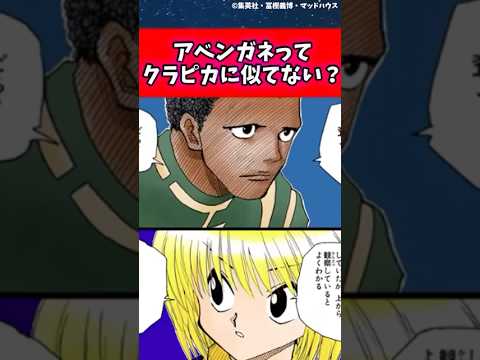
A growing discussion among Hunter×Hunter fans suggests that Abenagane and Kurapika share surprising visual and psychological similarities that may reflect intentional character design by creator Yoshihiro Togashi. An in-depth analysis of their shared traits—from blonde hair to hidden secrets—reveals deeper thematic connections within the Hunter Exam arc.
What Happened
Online fan communities have begun comparing Abenagane, the Hunter Exam proctor, and Kurapika, a core member of the protagonist group, noting striking visual and narrative parallels. The comparison started as a simple observation about their shared blonde hair but evolved into deeper discussions about character design philosophy and hidden motivations. Fans across Twitter, Reddit, and YouTube have engaged in increasingly sophisticated analysis, suggesting that Togashi deliberately designed these characters with intentional similarities.
Why It Matters
This fan analysis reveals how modern anime audiences engage in multi-layered textual interpretation, moving beyond surface-level observations to examine narrative structure and character design as deliberate authorial choices. Understanding these connections enriches appreciation of Hunter×Hunter’s complexity and demonstrates how creators use visual and psychological symbolism to embed meaning within their work. For fans and critics alike, this discussion illustrates how secondary characters can carry thematic weight equal to protagonists.
Background
Hunter×Hunter, created by Yoshihiro Togashi, debuted as an anime in 2009 and has maintained a dedicated fanbase for over 15 years. The Hunter Exam arc, which aired from 1998–2001 in the original manga, introduced both Kurapika and Abenagane as characters with distinct roles: Kurapika as an exam candidate harboring secrets about his past and true motivations, and Abenagane as an enigmatic proctor whose background remains largely unexplained. The series is known for its layered character development and thematic depth, exploring questions about human nature, power, and hidden identities through its narrative structure.
Key Points
- Visual Symmetry: Both characters possess blonde hair, an uncommon trait among Hunter×Hunter’s main cast, suggesting intentional visual design to signal shared significance.
- Shared Secrecy: Kurapika conceals his true purpose—revenge against the Phantom Troupe—while Abenagane’s background and motivations remain deliberately obscured, creating parallel narrative structures.
- Inverted Hierarchy: Despite occupying opposite positions (exam candidate vs. proctor), both characters hide their true objectives within the exam framework, suggesting thematic equality beyond social status.
- Nen Ability Connection: Both are nen users whose abilities appear linked to their internal emotional states and hidden purposes, representing the externalization of inner conflict through supernatural power.
- Symbolic Design Language: In early 2000s anime production, blonde hair functioned as visual shorthand for “character harboring secrets,” a technique also employed in series like Bleach and Attack on Titan.
- Fan Community Response: Reactions ranged from initial surface-level observation to sophisticated psychological analysis, demonstrating how fan discourse evolves through collective interpretation.
Timeline
- 1998–2001: Hunter×Hunter manga serialization; Hunter Exam arc introduces both Kurapika and Abenagane with distinct but potentially parallel character designs.
- 2009: Anime adaptation airs; visual design choices become subject to broader audience analysis.
- 2015: Renewed interest in Hunter Exam arc through re-viewing; detailed character analysis begins to identify design patterns.
- 2018–Present: Fan communities systematize observations into comparative character analysis; discussion gains traction across social media platforms.
Perspectives
The Surface-Level Interpretation: Initial fan observations focused on the simple fact that both characters are blonde, noting this as a visual coincidence or aesthetic choice without deeper significance.
The Intentional Design Perspective: More sophisticated analysis argues that Togashi deliberately employed visual and narrative parallelism to signal thematic connection. Proponents cite Togashi’s documented philosophy that characters should possess “hidden dimensions” beyond surface attributes, suggesting the blonde hair serves as visual shorthand for concealed motivations.
The Narrative Function Perspective: Some analysts propose that the Abenagane-Kurapika connection may function as narrative foreshadowing, suggesting Abenagane could play a significant role in Kurapika’s future development—potentially as mentor, antagonist, or revelation of shared history.
The Industry Context Perspective: Critics note that early 2000s anime production standardized character design symbolism, where specific visual traits communicated psychological attributes to viewers. Blonde hair, in this framework, became industry shorthand for “character with secrets,” making the Abenagane-Kurapika parallel less surprising than systematic.
Insights
The Abenagane-Kurapika comparison illuminates Hunter×Hunter’s sophisticated approach to character design and thematic development. Rather than treating characters as isolated narrative units, Togashi appears to embed symbolic connections throughout the text—visual, psychological, and narrative—that reward careful analysis. The parallel between a protagonist and a minor character suggests that Hunter×Hunter operates on multiple interpretive levels simultaneously, accessible to casual viewers while containing layers of meaning for engaged fans.
This discussion also reflects broader shifts in fan culture toward collaborative textual analysis. Rather than passive consumption, modern audiences actively construct meaning through comparative study, identifying patterns that creators may or may not have consciously intended. Whether Togashi deliberately designed these parallels or whether fans have identified genuine structural resonance, the analysis itself demonstrates the richness of the source material.
The unresolved question—why Abenagane remains relatively minor if his connection to Kurapika is intentional—suggests that Togashi may employ character scarcity as a narrative strategy. The mystery surrounding Abenagane’s limited appearances may paradoxically enhance his importance, positioning him as a figure whose significance will be revealed through future narrative developments rather than immediate prominence.
Ultimately, the Abenagane-Kurapika analysis serves as a case study in how contemporary anime engages with fundamental questions about human nature, hidden identity, and the relationship between appearance and essence—themes that run through Hunter×Hunter’s core narrative and justify its sustained cultural relevance across multiple decades of fandom.