▶ Watch the original YouTube video
How a Single Anime Line Sparked a Creative Fan Movement: Analysis of “I Want to Be an Instructor Too”
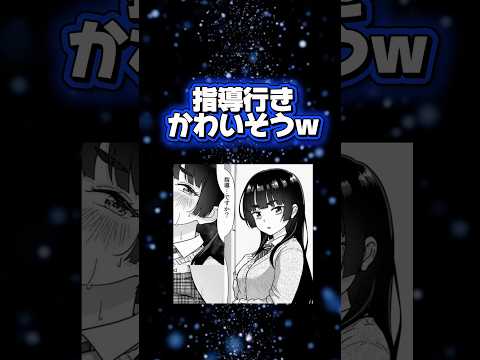
A seemingly simple character line—”I want to be an instructor too…”—has ignited a widespread and creative response from anime fans worldwide. This phenomenon reveals how minimal dialogue, when perfectly timed and emotionally resonant, can generate significant community engagement and cultural moments in modern anime fandom.
What Happened
A character’s brief statement, “I want to be an instructor too…” has become the focal point of extensive fan discussion and creative response across social media platforms. The phrase, delivered in a moment of character vulnerability, has generated reaction compilation videos, fan theories, and community discourse that demonstrates the power of understated emotional expression in anime storytelling.
Why It Matters
This moment exemplifies a broader shift in anime production toward character-driven narratives and psychological depth. The phrase’s impact illustrates how contemporary anime creators are increasingly relying on subtle, emotionally intelligent dialogue rather than elaborate exposition. For fans and industry observers, this represents a significant evolution in how anime communicates complex human emotions and desires. The resulting community engagement demonstrates the value of creating space for viewer interpretation and emotional investment.
Background
Over the past five years, anime has increasingly emphasized character psychology and interpersonal relationships as central narrative elements. Major successful series including the final season of “Attack on Titan,” “Jujutsu Kaisen,” and “Chainsaw Man” have all prioritized nuanced character development. Within this context, the phrase “I want to be an instructor too…” represents a culmination of storytelling techniques that allow complex emotions to be expressed through minimal language. The ellipsis itself functions as a narrative device, suggesting unspoken feelings and inviting viewer interpretation.
Key Points
- The phrase combines universal human emotions—aspiration and admiration—with specific character context, creating broad appeal across the fanbase
- The use of ellipsis creates narrative ambiguity, allowing viewers to project their own emotional understanding onto the character’s unfinished thought
- Fan reactions span multiple platforms including Twitter, YouTube, and discussion forums, indicating organic, widespread engagement rather than coordinated promotion
- Reaction compilation videos have emerged as a secondary content format, suggesting fans value communal validation of their emotional responses
- The phrase demonstrates successful alignment between creator intent and audience interpretation, a relatively rare occurrence in media consumption
- Related fan-created content, including fan art and theoretical discussions, indicates the phrase has catalyzed creative expression within the community
Comparative Analysis
Similar emotionally resonant moments in anime history provide useful context. The phrase “Shinzou wo Sasageyo” (Dedicate Your Hearts) from “Attack on Titan” functioned as a rallying cry that transcended the narrative to become a cultural phenomenon. “Jujutsu Kaisen’s” line “I regret nothing” similarly captured a moment of character determination that resonated deeply with viewers. The phrase “I am free” from “Attack on Titan” expressed fundamental character philosophy in minimal terms. What distinguishes “I want to be an instructor too…” is its focus on personal, relatable aspiration rather than grand ideological statements. The character expresses not a world-changing desire, but a human one—the wish to emulate someone they admire through a specific profession.
Fan Community Response
Across social media platforms, fan reactions have been predominantly positive and interpretive. Twitter users have emphasized how the phrase conveys complete character understanding through simplicity. Discussion threads on platforms like 5channel have explored the creator’s intent and the significance of the ellipsis as a narrative choice. YouTube comments reflect speculation about how this statement will be addressed in future narrative developments. Notably, critical responses have been minimal, suggesting near-universal acceptance of the phrase’s emotional authenticity and narrative appropriateness.
The emergence of reaction compilation videos indicates fans seek validation of their emotional responses and exposure to alternative interpretations. This secondary content format has become increasingly popular, suggesting it serves a community function beyond simple entertainment—it reinforces social bonds among fans and creates spaces for shared emotional experience.
Insights
This phenomenon illustrates several important truths about contemporary anime fandom and storytelling. First, the most powerful character moments often emerge from narrative restraint rather than elaborate exposition. Second, audiences increasingly value psychological authenticity and emotional nuance over spectacle. Third, fan communities function as interpretive spaces where individual emotional responses are validated and enriched through collective discussion.
The phrase’s success also reflects a maturation of anime as a medium. Where earlier anime might have required explicit dialogue explaining character motivation, contemporary creators trust audiences to understand complex emotional subtext. This represents both technical sophistication in screenwriting and a recognition that modern audiences possess the cultural literacy to engage with subtle emotional communication.
Furthermore, the phrase demonstrates the importance of perfect timing and contextual buildup. The line’s impact depends entirely on the narrative foundation established before its delivery. This underscores that in character-driven storytelling, every scene and interaction contributes to the emotional weight of seemingly simple statements.
For the anime industry, this moment validates the investment in character-focused narratives and psychological depth. As streaming platforms and international audiences expand anime’s reach, the ability to communicate complex human emotions through minimal, culturally resonant language becomes increasingly valuable. The phrase “I want to be an instructor too…” will likely be remembered as a exemplary moment in modern anime expression—proof that sometimes, the most profound statements are the simplest ones.