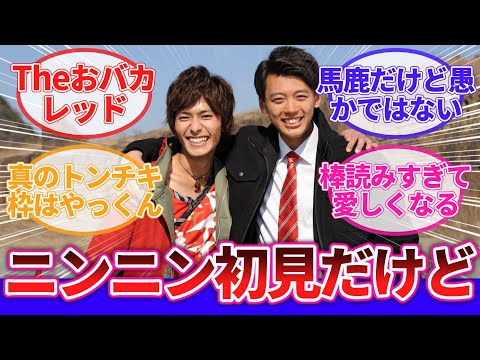
▶ Watch the original YouTube video
A single catchphrase from the 2015 Super Sentai series Shuriken Sentai Ninninger became an unexpected social phenomenon in Japan. The phrase “Tenkireite” (天晴って), repeatedly used by protagonist Takaharu Igasaki, transcended its role as a character quirk to become a widespread internet trend and cultural moment that influenced how fans expressed joy and surprise in their daily lives.
What Happened
During the 2015-2016 broadcast run of Shuriken Sentai Ninninger, the main character’s catchphrase “Tenkireite”—a simple three-syllable expression of joy and amazement—unexpectedly became a viral phenomenon across Japanese social media platforms. The phrase, which translates roughly to “That’s awesome!” or “Amazing!”, appeared consistently throughout the series as Takaharu’s natural emotional expression. What began as a character trait evolved into a widespread meme, with viewers adopting the phrase in their own daily conversations and online interactions.
The phenomenon manifested across multiple platforms: Twitter saw “#Tenkireite” regularly trending with thousands of posts per episode, while Nico Nico Douga comment sections became flooded with the phrase. Discussion forums debated whether “Tenkireite” would qualify as a candidate for Japan’s annual “New Words and Buzzwords Award.” The phrase transcended the typical Super Sentai fanbase, reaching audiences who had never watched the series.
Why It Matters
The “Tenkireite” phenomenon represents a rare case study in how character expressions can achieve genuine social impact. Unlike previous Super Sentai catchphrases or anime memes that remained within fan communities, “Tenkireite” achieved mainstream recognition and influenced how people communicated genuine emotion. The trend emerged during a specific cultural moment when Japanese society was seeking more authentic forms of positive expression, making the phrase’s timing and simplicity particularly resonant.
From a media analysis perspective, this phenomenon demonstrates that children’s content, when crafted with genuine character development and emotional authenticity, can engage adult audiences and create meaningful cultural moments. The success of “Tenkireite” challenges assumptions about target demographics and the potential reach of well-executed character design.
Background
Shuriken Sentai Ninninger premiered in 2015 as the 39th installment in the long-running Super Sentai franchise. The series featured Takaharu Igasaki, a protagonist designed as emotionally expressive, straightforward, and genuinely joyful—a stark contrast to previous Sentai leads like the stoic Takeru from Samurai Sentai Shinkenger. This character design choice proved crucial to the phenomenon’s development.
The timing of the series’ broadcast coincided with rapid growth in social media adoption across Japan. Twitter, Instagram, and smartphone usage had become ubiquitous, creating ideal conditions for rapid phrase dissemination. The 2015-2016 period also represented a cultural moment when audiences were increasingly seeking authentic emotional expression in media.
Key Points
- Explosive viral spread: “Tenkireite” became a trending hashtag on Twitter following each episode, generating thousands of posts and reaching audiences beyond the show’s target demographic
- Emotional authenticity: The phrase succeeded because it reflected genuine character emotion rather than serving as an artificial gimmick, creating natural viewer identification
- Simplicity and accessibility: The three-syllable phrase was easy to pronounce and remember, making it effortless for audiences to adopt in their own speech
- Cross-generational appeal: While Ninninger targeted children, the phrase resonated with adult fans, creating a rare bridge between demographics
- Daily language integration: Viewers reported naturally incorporating “Tenkireite” into everyday conversations, indicating deep cultural penetration
- Platform saturation: The phrase dominated multiple online spaces simultaneously—Twitter, Nico Nico Douga, forums, and YouTube comments—creating a unified cultural moment
Timeline
- February 2015: Shuriken Sentai Ninninger premieres; Takaharu’s “Tenkireite” catchphrase introduced as core character trait
- Summer 2015: Phrase begins trending on Twitter and anime forums as viewers recognize the catchphrase’s appeal
- 2015-2016: “Tenkireite” reaches peak popularity; hashtag regularly trends; phrase becomes integrated into viewer vocabulary
- 2016: Speculation emerges about potential nomination for “New Words and Buzzwords Award”
- Post-2016: Trend gradually subsides as cultural focus shifts, though phrase retains recognition within fan communities
Perspectives
Fan interpretation: Viewers embraced “Tenkireite” as an authentic expression of joy that mirrored their own emotional experiences. Comments across platforms emphasized that the phrase possessed an almost magical quality—hearing or saying it genuinely improved mood and created connection with others experiencing the same phenomenon.
Character analysis perspective: The phrase’s success stemmed from perfect alignment between character design and dialogue. Takaharu’s established personality—straightforward, emotionally open, and genuinely positive—made “Tenkireite” feel inevitable rather than forced. This consistency created trust and investment from audiences.
Cultural timing interpretation: The 2015-2016 period represented a moment when Japanese society was experiencing economic stagnation and social uncertainty. “Tenkireite” offered a simple, genuine expression of positivity that resonated with audiences seeking more authentic emotional communication in an increasingly complex world.
Production perspective: While the series creators likely did not anticipate the phrase would achieve this level of cultural penetration, the phenomenon resulted naturally from thoughtful character design rather than deliberate marketing strategy. The authenticity of the expression—rooted in genuine character motivation—proved more powerful than any manufactured catchphrase could have been.
Insights
The “Tenkireite” phenomenon reveals several important principles about how media creates cultural impact. First, simplicity proves more powerful than complexity—a three-syllable phrase achieved greater reach than elaborate dialogue ever could. Second, emotional authenticity matters more than target demographic; children’s content with genuine character development engages adults as effectively as younger audiences.
The trend also demonstrates that social media infrastructure enables rapid cultural transmission. The phrase’s success depended not only on its inherent appeal but on the technological and social conditions that allowed millions of people to simultaneously discover, discuss, and adopt it.
Perhaps most significantly, “Tenkireite” illustrates that audiences hunger for authentic emotional expression. In a media landscape often dominated by irony and detachment, Takaharu’s straightforward joy—expressed through a simple phrase—resonated because it offered something genuine. The phrase’s gradual decline after 2016 suggests that cultural trends remain dependent on broader social conditions; as Japan’s cultural focus shifted, the phrase’s relevance diminished despite its initial power.
The “Tenkireite” case will likely endure as a significant example in media studies and character design analysis, demonstrating that the most impactful cultural moments often emerge not from calculated strategy but from authentic creative choices that happen to align perfectly with audience needs and technological conditions.